
Last updated November 22, 2026
 Sweep & inspection
 Caps & crowns
 Flue relining
 Masonry repair
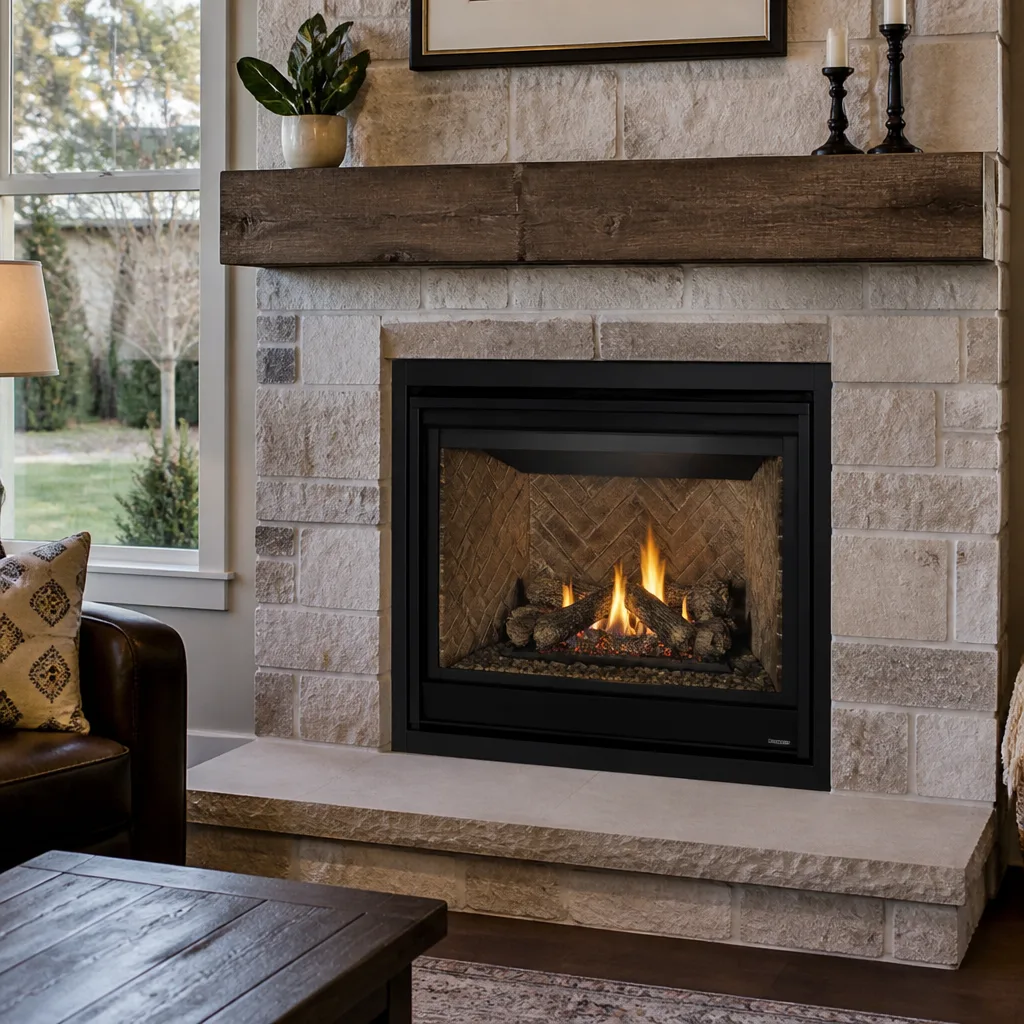 Gas fireplace service
Level 1 sweep and inspection to the NFPA 211 annual standard - flue, crown, cap, and flashing checked and photographed
Chimney sweep logs do not sweep chimneys. They loosen some creosote - which then falls where a brush and vacuum still have to collect it.
Seasonal Chimney Cleaning Care for Sunset Park: Year-Round Homeowner’s Guide
Most chimney advice tells you to book a sweep in October. In Sunset Park, that advice runs a season behind. By October, whatever moisture worked into your crown, flashing, or smoke chamber over a wet summer has already had months to sit, and you’re discovering it right before you need the fireplace, with no time for mortar to cure or a liner to be fitted before the first cold night. The four seasons here each ask something different of a chimney. This guide walks through what actually matters month by month, from freeze-thaw cracks in spring to draft problems in January, and how the connected row house construction across Sunset Park changes the math.
Quick Answer
Chimney care in Sunset Park works best on a four-season cycle: inspect and look for water damage after winter thaw in spring, schedule liner and crown work in summer when materials can cure in warm dry weather, sweep and check the full system before first use in fall, and monitor draft and odor changes through winter between sweeps. The fall sweep gets the attention, but the spring moisture inspection is the one that prevents the expensive repair.
Styles & brands we work with
- Sweep & inspection
- Caps & crowns
- Flue relining
- Masonry repair
- Gas fireplace service
Table of Contents
- Why the Seasonal Sequence Matters More Than the Sweep Alone
- Spring in Sunset Park: The Post-Winter Inspection
- Summer: The Repair Window
- Fall: What a Pre-Season Sweep Should Actually Include
- Winter: Reading Your System Between Sweeps
- How Connected Row Houses Change the Picture
- Neighborhood Notes Across Sunset Park
- Common Mistakes to Avoid
- Frequently Asked Questions
Why the Seasonal Sequence Matters More Than the Sweep Alone
A chimney is a wet structure attached to a fire. That contradiction is the whole reason seasonal care exists. Masonry absorbs moisture through the crown, the mortar joints, and the flashing at the roofline. When temperatures swing above and below freezing, that trapped water expands and contracts, and the cycle widens hairline cracks into real ones. Metal components, from the damper to the liner, react too, but water is what does most of the slow damage.
In Sunset Park, you get a cold, wet winter, a spring that moves in fits, a humid summer, and then the heating season again. Each transition is a checkpoint. If you only look at the chimney once a year right before burning season, you’re inspecting after the damage has already set. The sequence below reorders the conventional calendar around what our technicians actually find when they get up on a roof in this part of Brooklyn.
- Spring – inspect for water damage and freeze-thaw cracking before the warm season hides it.
- Summer – repair and restore while cure times, weather, and scheduling all work in your favor.
- Fall – sweep and verify the whole system, not just the flue.
- Winter – monitor the active chimney and know the stopping-point signs.
Notice the sweep sits third, not first. That’s on purpose. A sweep clears creosote; an inspection catches the structural problems a brush never touches. Running them together in the fall is fine, but the structural catch has to happen in spring, or you’ll spend autumn deciding whether there’s time to fix what you found.
Spring in Sunset Park: The Post-Winter Inspection
Spring is where winter’s bill comes due. The freeze-thaw cycle that runs through a Sunset Park winter opens up specific failure points, and a warm April is the last chance to catch them before you stop thinking about the chimney until September. Here’s what an inspection should look for, and what each sign actually means.
Crown and smoke chamber cracks
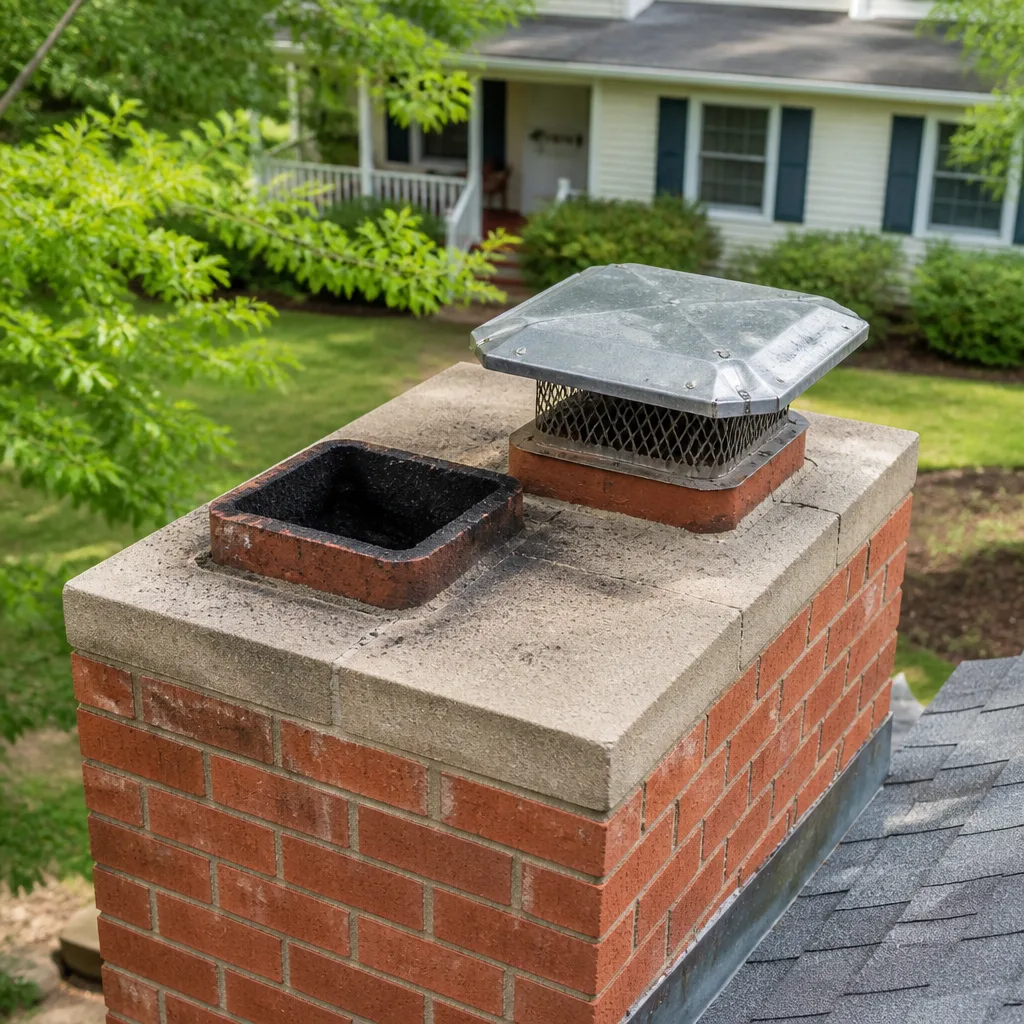
The crown is the concrete cap at the top of the chimney, and it’s the first surface to fail. Look for cracks that run radially from the flue opening outward, and any place the crown has started to pull away from the flue. The smoke chamber, the sloped interior transition between the firebox and the flue, is the harder one: cracks and crumbling parging there trap creosote and let gases leak. Both are freeze-thaw signatures, and both get worse the longer they sit.
Flashing separation
Flashing is the metal that seals the chimney to the roof. Winter movement, combined with water freezing behind it, pulls the flashing away from the masonry or opens the seal at the step edges. If the flashing has separated, water runs straight down the chimney’s outside face and into the attic or the wall. It’s a small metal problem with an expensive endgame.
Efflorescence as a water-in side tell
That white, chalky staining on brick is called efflorescence, and it’s the visible symptom of water moving through the masonry and drying at the surface, leaving mineral salts behind. Efflorescence isn’t damage itself, but it tells you water is getting in somewhere. On a Sunset Park Chimney Sweep Sunset Park inspection, efflorescence is one of the first things we note because it points to a source we then go find.
Summer: The Repair Window
Summer is the best time of year to do almost every chimney repair, and most homeowners skip it. The reason is simple: coatings, mortar, and sealants need warm, dry, stable conditions to cure properly. Push a crown coating or a masonry waterproofing job into October and you’re racing the weather. Do it in July and the material has weeks to set before it ever sees a freeze.
What belongs in the summer window
- Liner work – a full flexible liner replacement with a DuraFlex system is a warm-weather job. Measuring, fitting, and insulating the liner go cleaner when there’s no heating load and no rush.
- Crown coating and repair – products like ChimneySaver Crown Coat are formulated to bridge and seal the small cracks a failing crown develops. Applying it in dry summer heat lets it cure into a flexible membrane instead of a tacky film.
- Masonry waterproofing – a breathable water repellent applied to the brick sheds bulk water while still letting the masonry dry from inside. That two-way behavior matters; a sealed-tight wall traps moisture worse than an untreated one.
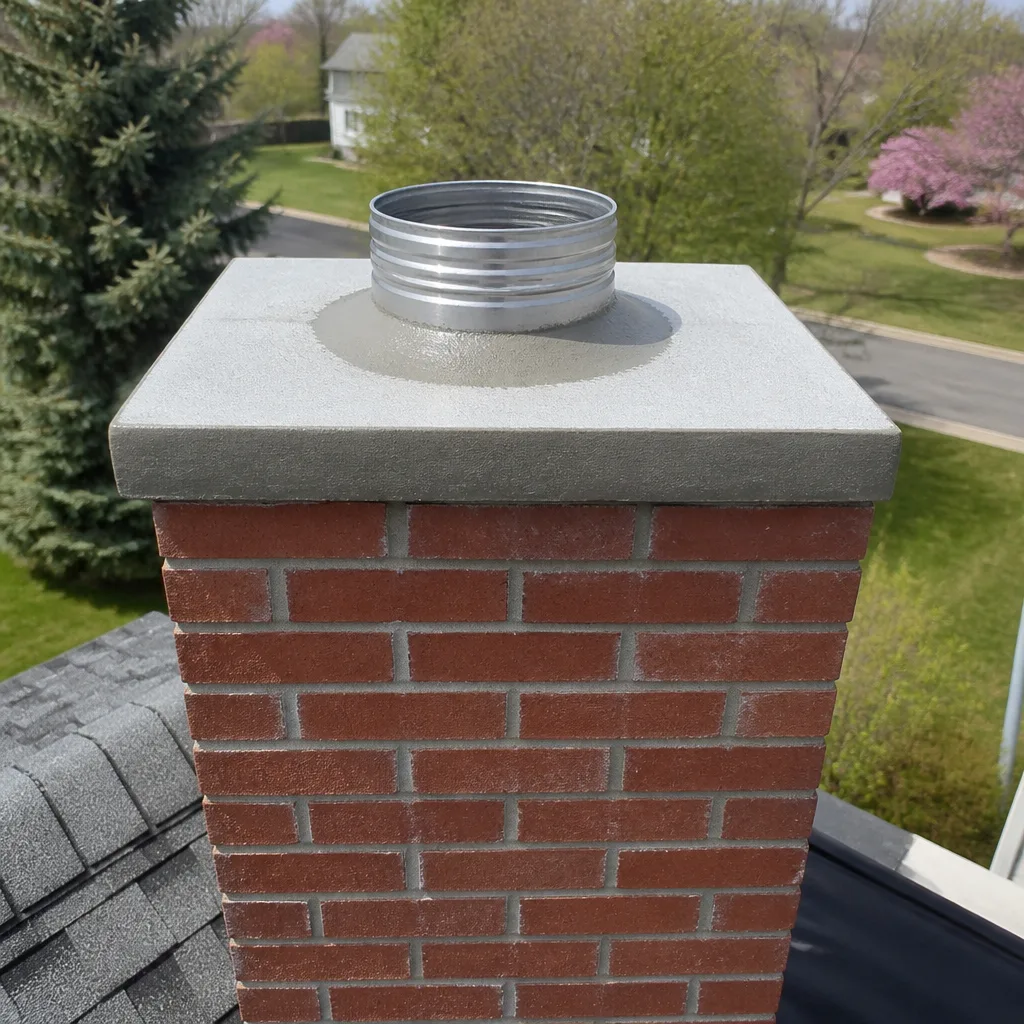
- Flue resurfacing – HeatShield is a resurfacing system that restores compromised flue liners from the inside, and the cure schedule again favors the warm months.
- Smoke chamber parging – restoring the parging condition in the smoke chamber is dusty, careful work best done when the fireplace is idle.
Why the cure window is the real constraint
Every one of those repairs has a cure time, and the cure time is dictated by temperature and humidity, not by the calendar in your head. A crown coating that cures hard in a dry July might still be soft underfoot in a damp late-September cold snap. Scheduling in summer buys you margin. That margin is the whole point: you want the chimney to have seen its repair cure and settle before the first fire of the season.
Fall: What a Pre-Season Sweep Should Actually Include
The pre-season visit is the one everyone books, and it’s where low-bid crews cut corners. A brush down the flue clears creosote, but it doesn’t tell you whether the system is safe to light. A proper pre-season chimney sweep covers the whole assembly, and you should expect each of these to be checked, not skipped.
- Flue cleaning – the brush work, done to clear soot and creosote from the flue walls.
- Damper inspection – the damper has to open and close cleanly. A damper stuck partly shut or rusted open sends smoke into the room or lets heated air escape up the flue all winter.
- Smoke chamber parging condition – check the condition, since cracked or missing parging is a gas-leak and creosote-trap problem the brush passes right by.
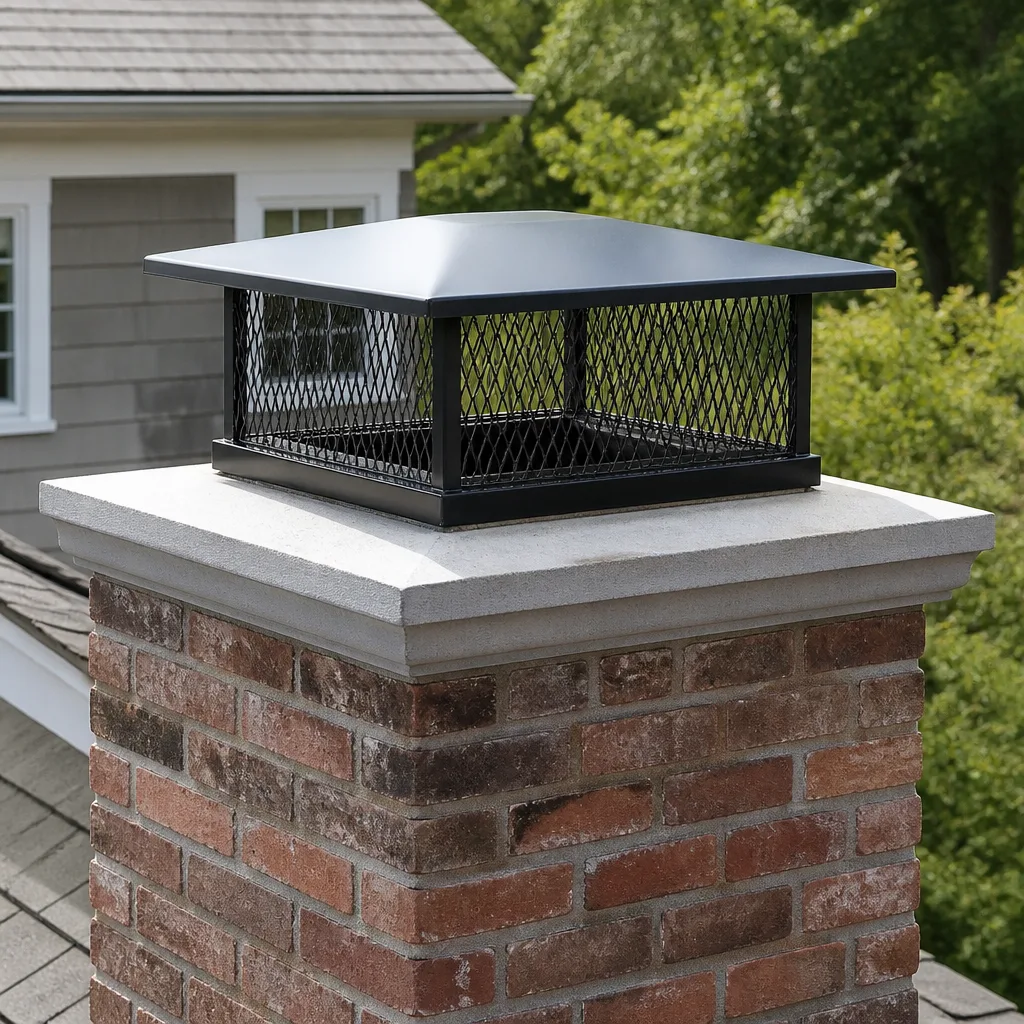
- Cap and screen integrity – a cracked cap, a bent screen, or a loose chimney cap & crown lets rain, birds, and debris in. Fall is when you fix it, before it becomes a winter water problem.
- Liner condition – a visual check of the liner for cracks, gaps, or separation at the joints.
- Firebox and damper frame – look for loose brick, failed mortar, and rust at the metal frame.
If a crew sweeps the flue and hands you a bill without looking at the damper, the smoke chamber, and the cap, they did half a job. We diagnose before we quote, so you know what the sweep found and what, if anything, needs a second visit. What the fall visit should not be is your first look at the chimney since last season; that’s the spring inspection’s job.
Winter: Reading Your System Between Sweeps
Once the heating season is underway, your job shifts from maintenance to monitoring. You’re the sensor. The chimney will tell you when something has changed, and knowing which signals mean “watch” versus “stop” is what separates a safe season from a scary one.
Signs to watch
- Odor changes – a stronger, sharper creosote smell, or a sour damp smell, can point to moisture or a creosote buildup you didn’t have in the fall.
- Slower draft – if the fire takes longer to catch or the smoke lingers at the damper, draft is weakening. Cold air, a partly closed damper, or a partial blockage all do this.
- New staining – fresh efflorescence or a damp patch on the chimney breast is water finding a new path.
Signs to stop using the fireplace immediately
- Smoke rolling back into the room – a sustained backdraft with the damper open is a draft failure, and it means combustion gases are not leaving.
- A smell of gas or an unusual acrid odor with no fire lit.
- Visible damage – loose or fallen brick in the firebox, a cracked liner visible from below, or a cap that’s come loose.
If any of those show up, stop burning and get the system looked at before the next fire. Our technicians have up to 11 years of experience reading exactly these signals, and the difference between a cheap diagnosis and a correct one usually comes down to whether the person looking actually inspects the smoke chamber and liner rather than just the firebox floor.
How Connected Row Houses Change the Picture
Most of Sunset Park’s housing is connected row house construction, and that changes chimney care in ways a freestanding-home guide never covers. When your chimney shares a party wall with your neighbor’s, you don’t own all the variables that affect your masonry.
First, water travels. Moisture that gets into a shared masonry mass through one unit’s failed crown or flashing can wick laterally into the adjacent chimney. That means a damp patch on your chimney breast isn’t always your leak. Second, shared flues and shared chimney stacks mean a smoke or draft problem in one unit can be influenced by what’s happening in the flue next door, especially where flues run side by side in the same stack. Third, repairs on a shared structure need coordination: crown work, flashing repair, and cap installation on a shared stack have to respect the property line and the neighbor’s side of the masonry.
What this means practically is that a Sunset Park row house chimney inspection should include the party wall side of the stack, not just the portion above your own unit. If we find moisture wicking from a neighbor’s side, we say so, because repairing your half and ignoring theirs just moves the problem. The same applies to the chimney repair plan: the fix has to account for the whole shared structure, or it won’t hold.
Neighborhood Notes Across Sunset Park
Sunset Park’s housing stock varies block to block, and so does what a chimney inspection tends to turn up. A few patterns worth knowing if you own here:
- The older row house blocks near the park’s western edge tend to have taller shared stacks and more original masonry, which makes crown and flashing condition the recurring issue.
- The denser blocks along the commercial corridors see more roof-level clutter, and cap and screen damage from debris and weather is common.
- Row houses with rear extensions often have a second, smaller flue serving the extension, and that flue is the one most often forgotten and most often found with a failed cap.
- Corner and end-of-row units have an exposed side wall, so they see more driven rain against the masonry and more efflorescence than mid-row neighbors.
None of that changes the seasonal sequence; it just tells you which parts of it to watch harder. A homeowner on an end unit should look at that exposed face every spring. A mid-row owner should pay attention to the shared stack and the party wall. The care is the same; the emphasis shifts by block.
Common Mistakes to Avoid
- Booking the only visit in October. A single fall sweep means you catch structural damage with no time to cure a repair before the heating season. Split the inspection to spring and the sweep to fall.
- Treating the sweep as a full inspection. A brush clears creosote. It doesn’t check the damper, the smoke chamber parging, or the cap. Ask what the visit actually includes before you book.
- Doing crown and liner work in cold weather. Coating and mortar need warm, dry curing conditions. A repair squeezed into a cold snap can fail before spring.
- Sealing masonry with a non-breathable coating. Trapping moisture inside the brick is worse than leaving it untreated. Use a breathable water repellent.
- Ignoring efflorescence as “just cosmetic.” The white staining is a water-in signal. Find the source instead of scrubbing the symptom.
- Assuming your row house chimney is your problem alone. Party wall and shared stack moisture moves between units. A fix that ignores the neighbor’s side usually doesn’t last.
- Burning through a smoke rollout. Sustained backdraft with the damper open means gases aren’t leaving. Stop using the fireplace and get it checked.
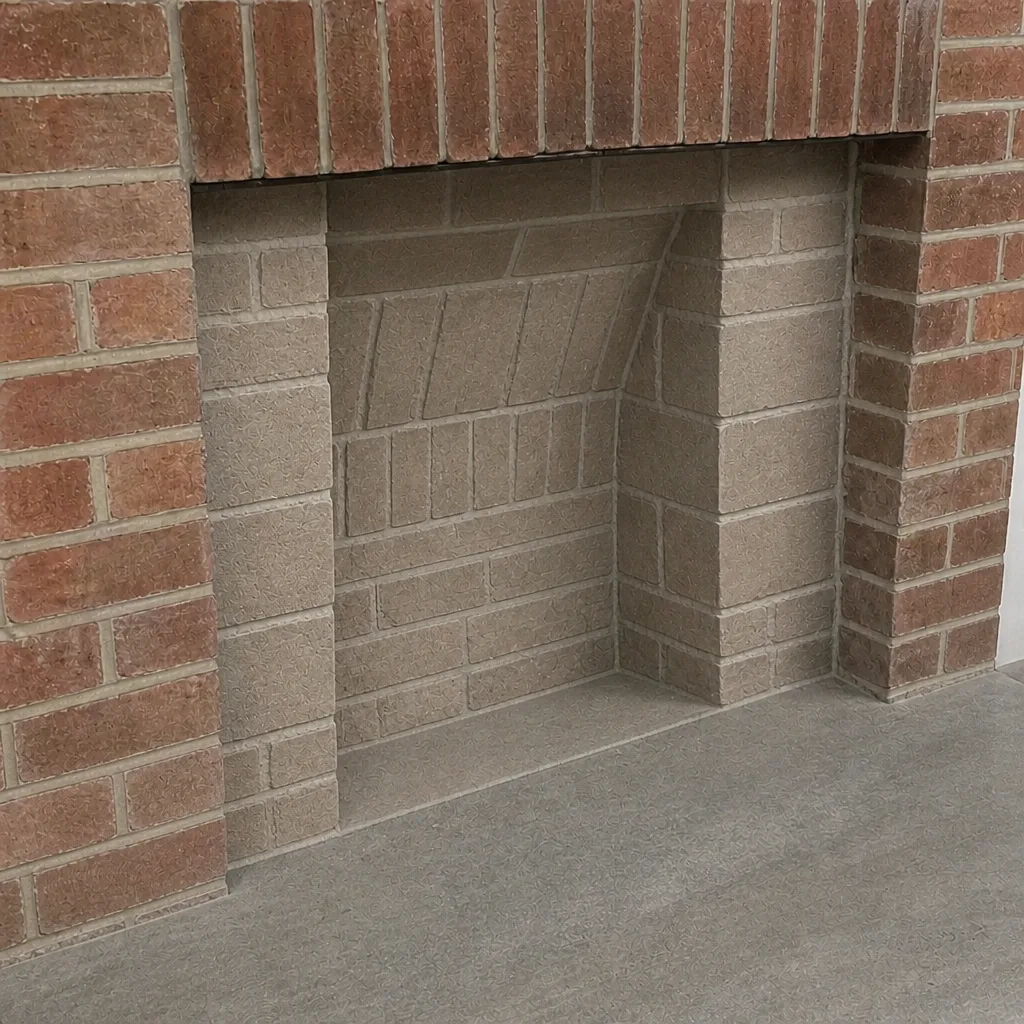
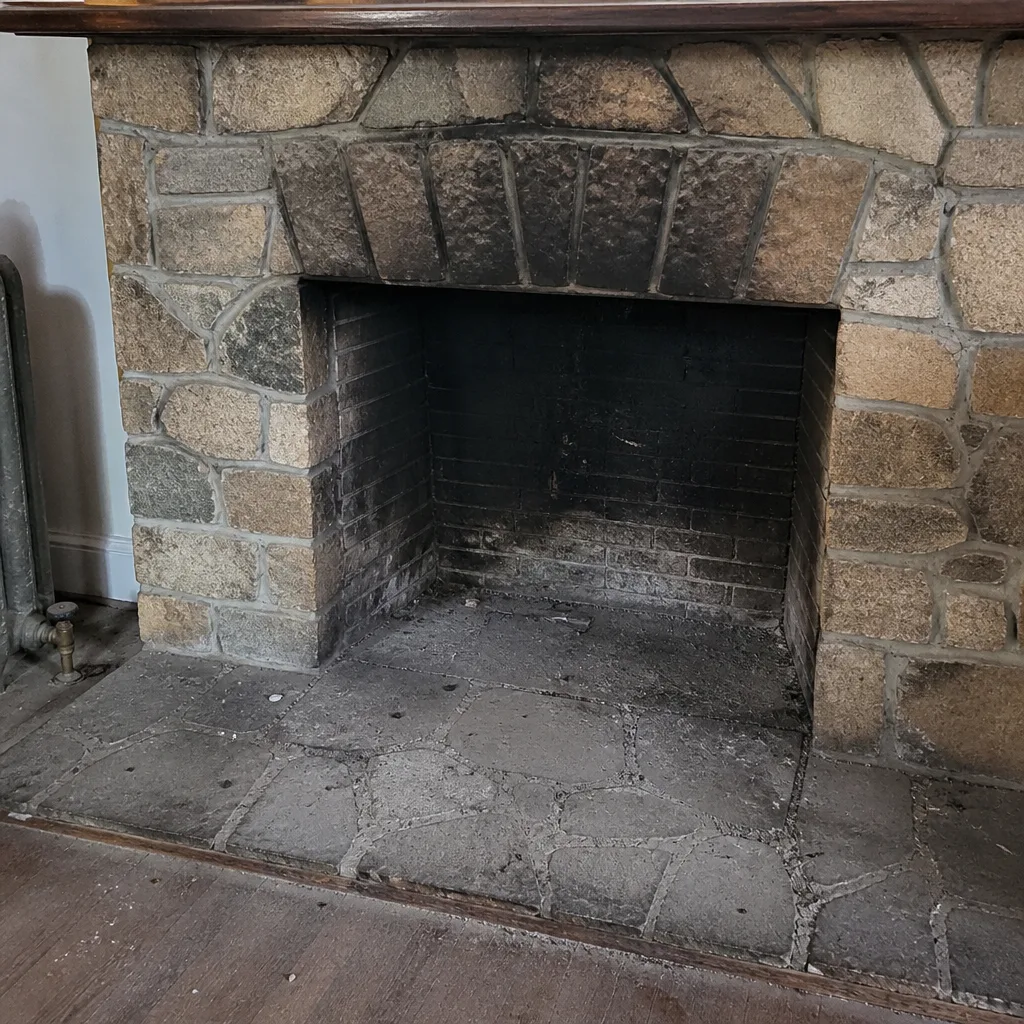
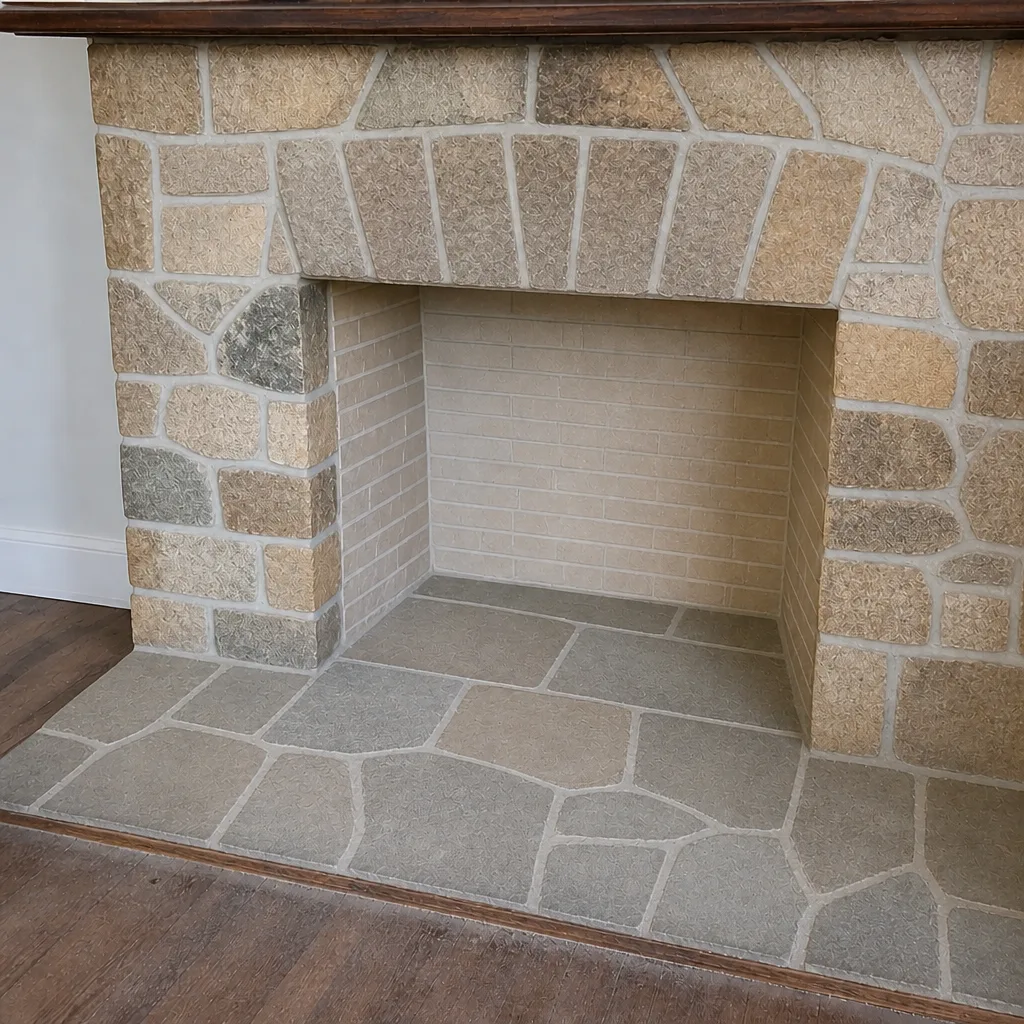
See the difference
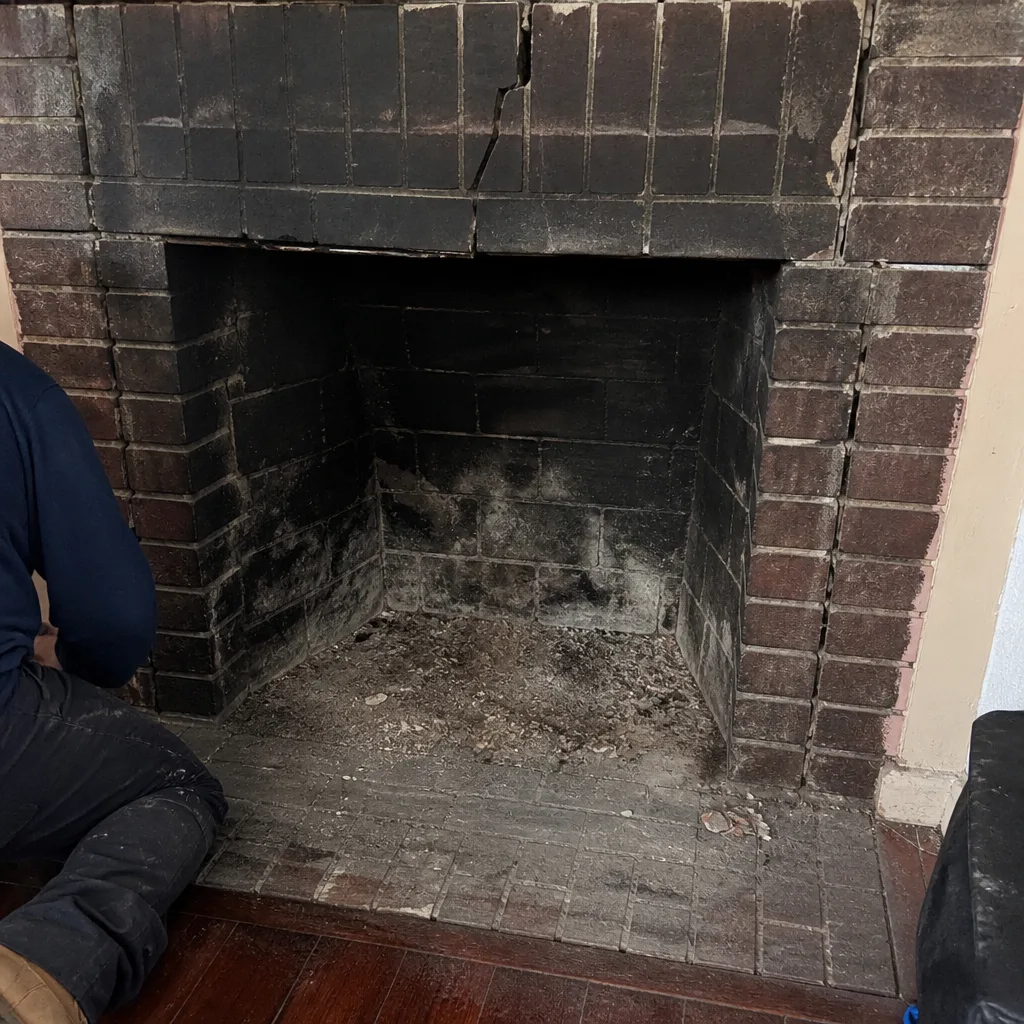 Before
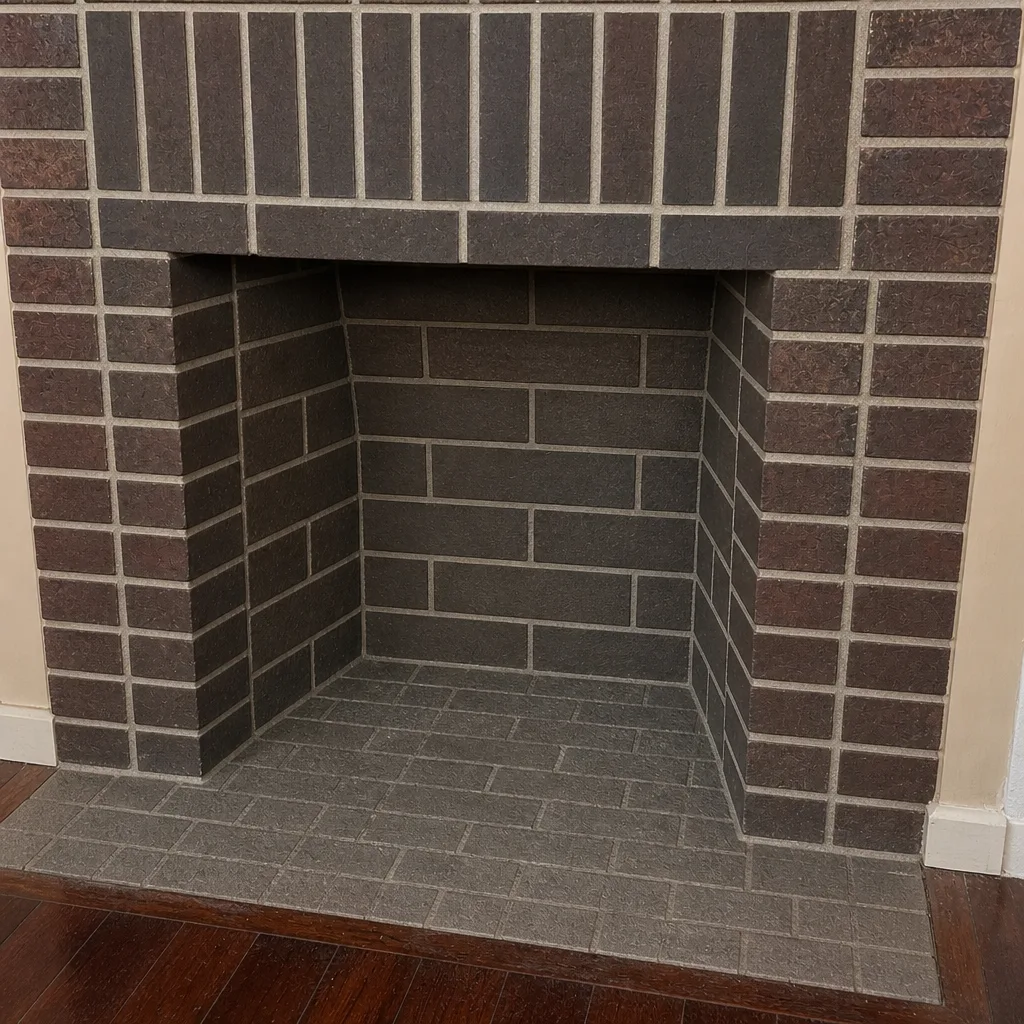 After
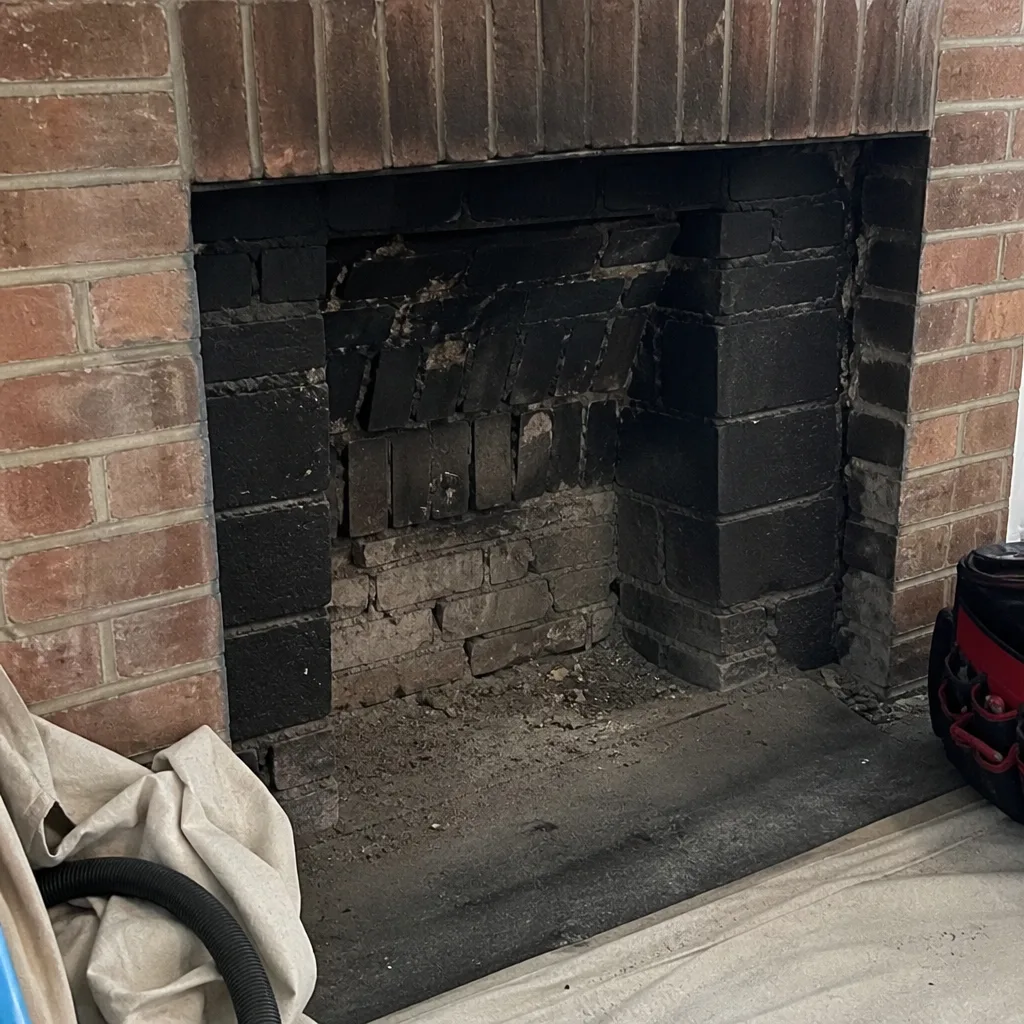 Before
 After
 Before
 After
When to Call a Professional
Some of this you can watch for yourself; some of it you should hand to a trained technician. Call a professional if you see efflorescence or a damp patch that wasn’t there before, if the crown is cracked or pulling away from the flue, if flashing has separated from the masonry, if smoke rolls back into the room with the damper open, or if you haven’t had the system inspected in over a year. Liner work, crown coating, and flue resurfacing are repair-grade jobs that need the right materials and the right cure window. Chimney Sweep Sunset Park offers free estimates in Sunset Park; call (866) 937-8201. We answer 24/7. Fast dispatch from 7am to 7pm, Sunday through Friday.
Frequently Asked Questions
Most Sunset Park homeowners should have the chimney swept once a year, timed to the fall before the heating season, with a separate structural inspection in spring. If you burn frequently or burn unseasoned wood, the flue can build creosote faster, so the sweep may need to come sooner. Call (866) 937-8201 for an exact quote; estimates are free.
Because the damage happens in winter, and spring is when you can still catch it before the repair window closes. A fall sweep finds problems with no time left to cure a fix before you need the fireplace. The spring inspection finds water damage and freeze-thaw cracking early, while summer is still open for repair. Call (866) 937-8201 to book a spring inspection; estimates are free.
You can, but the cure window is tighter and the weather is less predictable. Warm, dry summer conditions give coatings and mortar the stable curing they need. Fall work is possible but carries more risk of a cold snap interrupting the cure. Call (866) 937-8201 to talk through the right timing; estimates are free.
Efflorescence is the white mineral staining left when water moves through masonry and dries at the surface. It means water is getting in somewhere, often through the crown, flashing, or a mortar joint. It’s not damage by itself, but it points to a source worth finding. Call (866) 937-8201 to have it inspected; estimates are free.
Yes. Shared stacks and party walls mean moisture and draft problems can cross between units, so an inspection should look at the shared side of the chimney, not just your own. Repairs on a shared stack also need coordination with the neighbor. Call (866) 937-8201 to schedule an inspection that accounts for the shared structure; estimates are free.
Stop burning if smoke rolls back into the room with the damper open, if you smell gas or an unusual acrid odor with no fire lit, or if you see loose brick in the firebox or visible liner damage. Those mean the system is failing, not just underperforming. Call (866) 937-8201 and we’ll get it looked at; estimates are free.
The Bottom Line
Chimney care in Sunset Park runs on a calendar, not a single appointment. Inspect in spring for freeze-thaw cracks, flashing separation, and efflorescence. Repair in summer while coatings and liners can cure. Sweep and verify the whole system in fall, checking the damper, smoke chamber, and cap, not just the flue. Monitor in winter and know the points where you stop burning. And if you’re in a connected row house, remember that the shared stack and party wall make your chimney partly your neighbor’s problem too. Get the sequence right and each season’s work sets up the next.
Chimney Sweep Sunset Park offers free estimates across Sunset Park; call (866) 937-8201. We answer 24/7. Fast dispatch from 7am to 7pm, Sunday through Friday.
Written by the team at Chimney Sweep Sunset Park.