
Last updated November 22, 2026
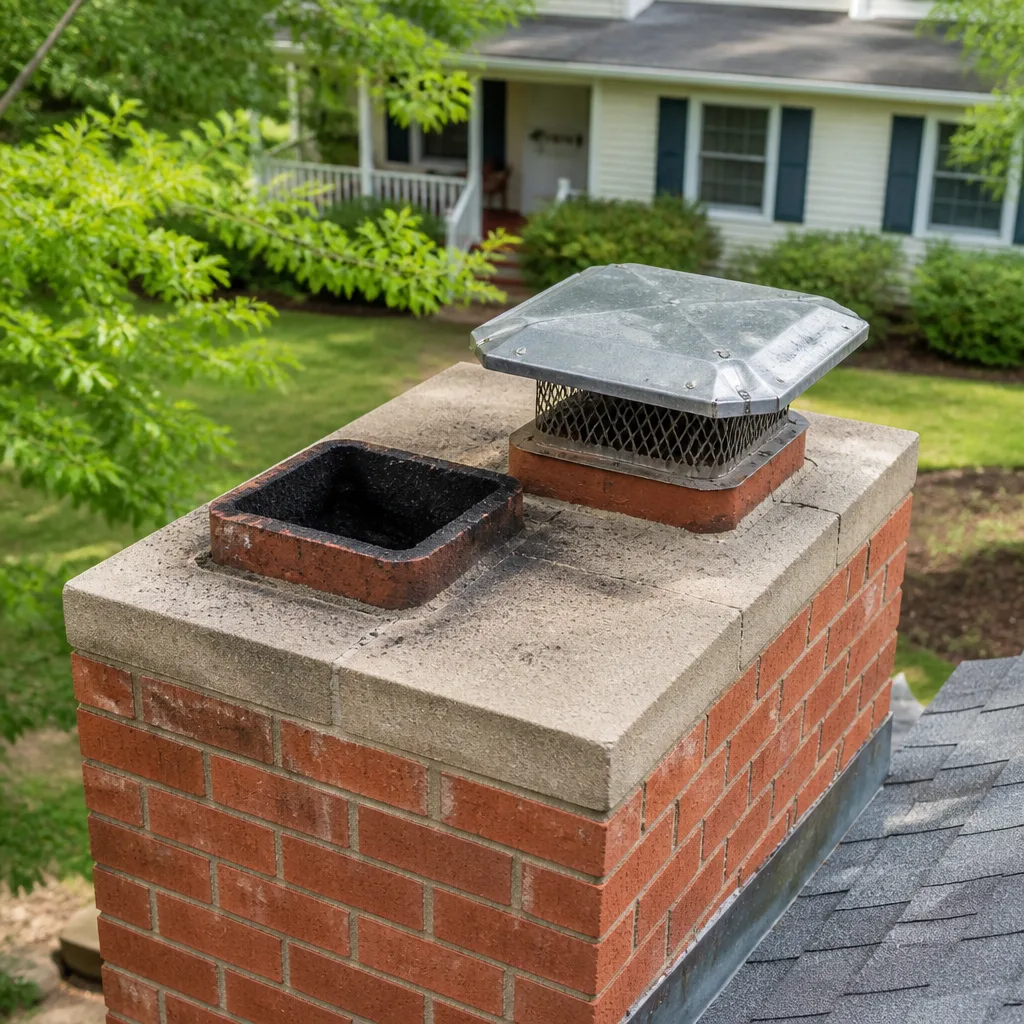 Sweep & inspection
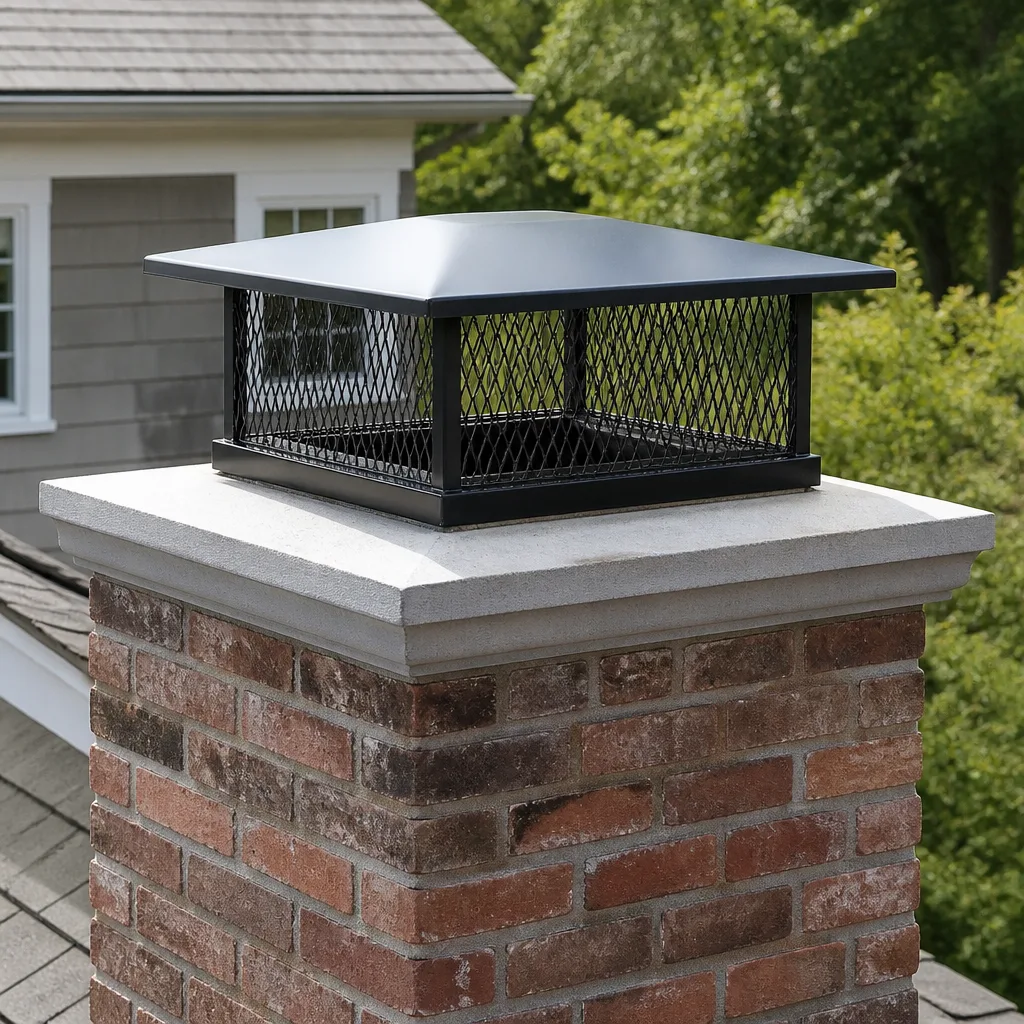 Caps & crowns
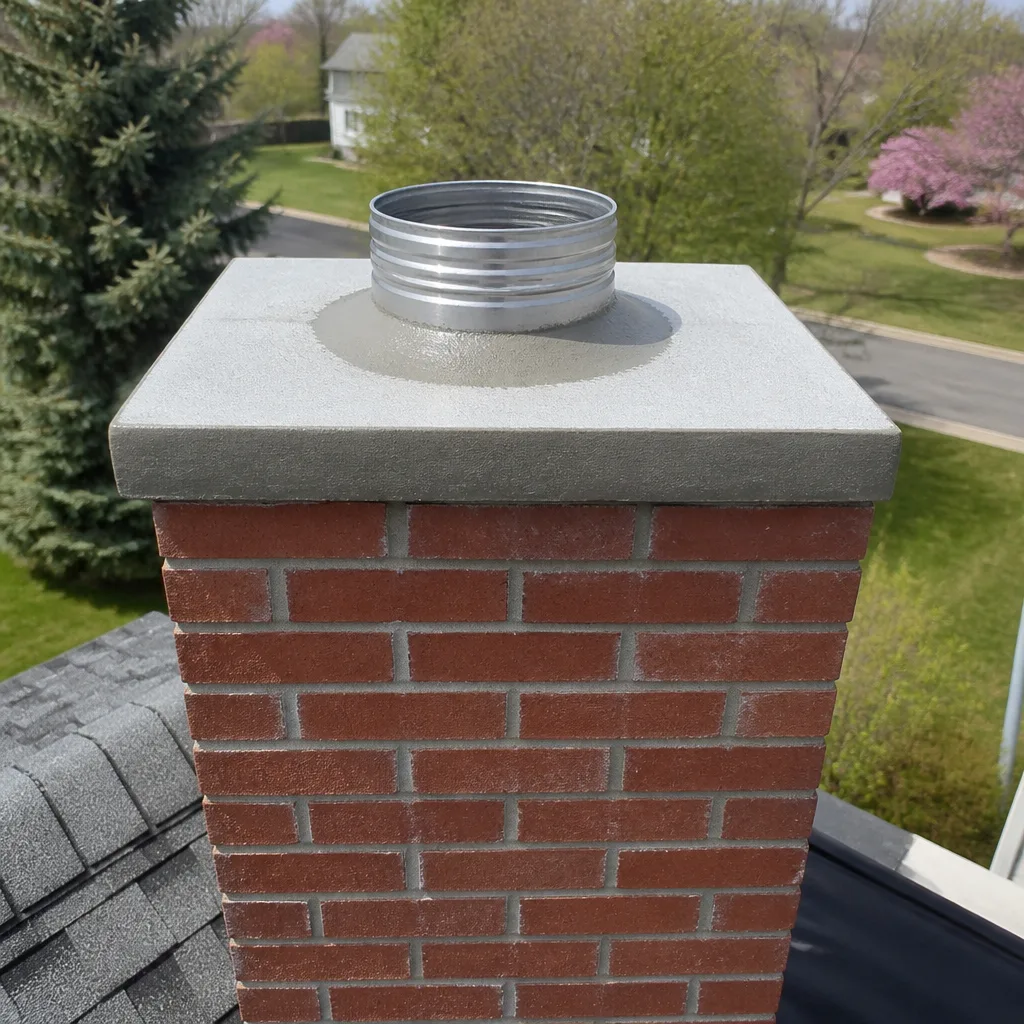 Flue relining
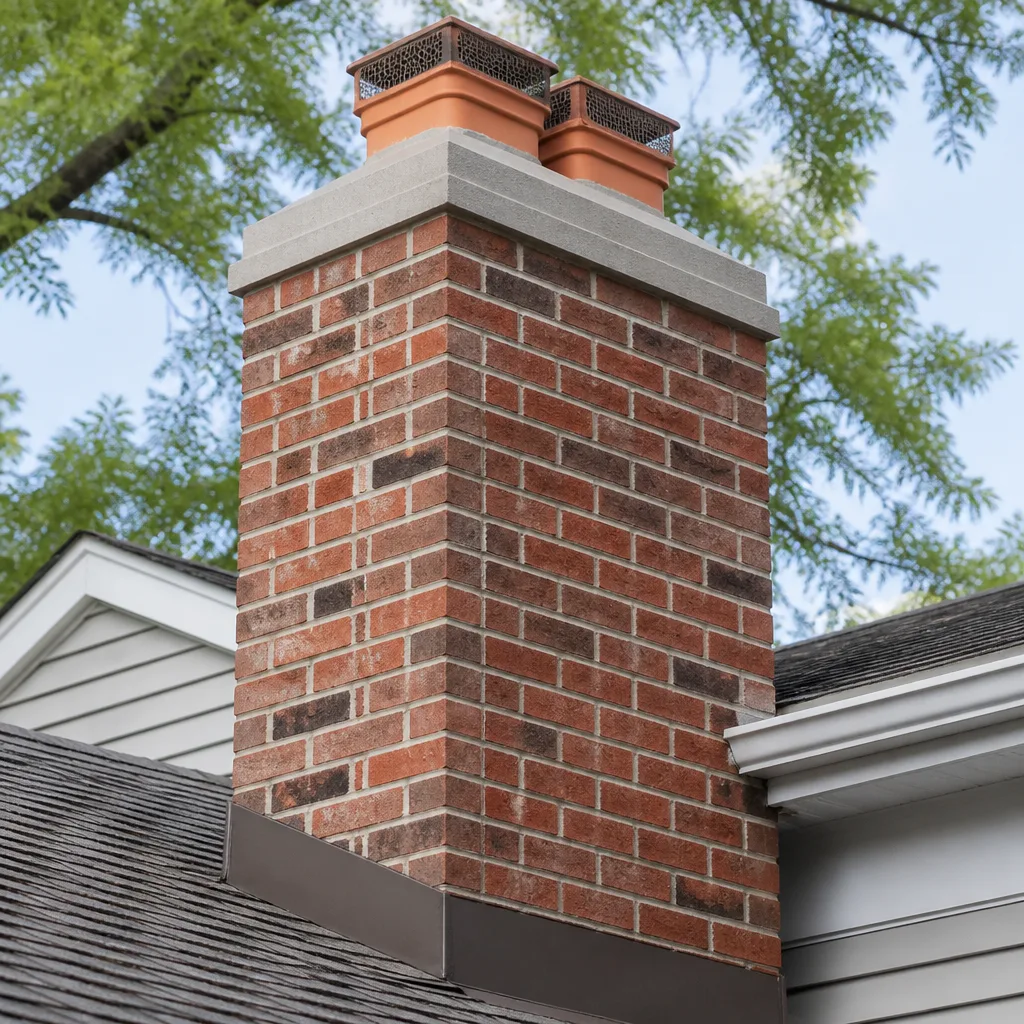 Masonry repair
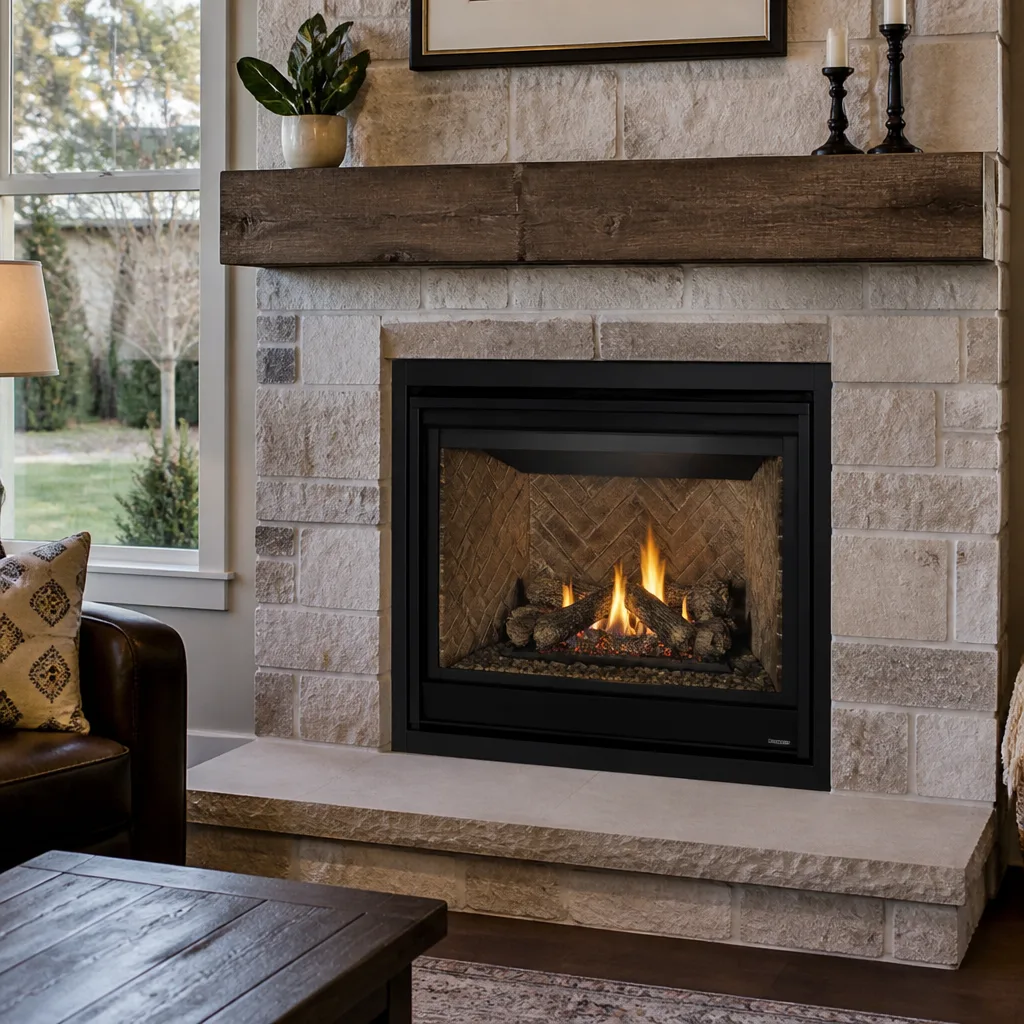 Gas fireplace service
Level 1 sweep and inspection to the NFPA 211 annual standard - flue, crown, cap, and flashing checked and photographed
Chimney sweep logs do not sweep chimneys. They loosen some creosote - which then falls where a brush and vacuum still have to collect it.
Chimney Cleaning Permits, Codes & Inspections in Sunset Park, NY: What You Need to Know
Here’s the part most homeowners get backwards: the cleaning itself is almost never the permit issue. The repair that cleaning turns up is. A stainless steel liner installation in a Sunset Park row house is a building alteration under the NYC Construction Codes, which means work done without a permit isn’t just technically illegal – it’s an open violation that stays attached to the property record. When you go to sell, that’s where it surfaces. This guide draws a clear line between routine maintenance and permitted alteration, walks through NYC DOB records, Local Law 11 facade rules, Class A flue designations, and what NFPA 211 actually asks for, so you can tell which side of that line your chimney work sits on.
Quick Answer
In Sunset Park, routine chimney cleaning, minor mortar repointing, and cap or crown replacement generally do not require a NYC Department of Buildings permit. Liner replacement, firebox rebuilds, and new appliance or insert installations do, because they’re alterations to the building’s construction. A proper inspection – ideally a camera inspection with a photo report – confirms which category your job falls into before anyone quotes a price.
Styles & brands we work with
- Sweep & inspection
- Caps & crowns
- Flue relining
- Masonry repair
- Gas fireplace service
Table of Contents
- Which Chimney Services Need a NYC DOB Permit in Sunset Park?
- Chimney Work That Doesn’t Need a Permit
- How Local Law 11 Interacts With Chimneys and Parapets in Sunset Park
- Class A Flue Designations and Fuel Switching
- How to Pull DOB Records on Your Sunset Park Property
- What NFPA 211 and the NYC Mechanical Code Actually Require
- What a Real Chimney Inspection Covers
- Common Mistakes to Avoid
Which Chimney Services Need a NYC DOB Permit in Sunset Park?
Permit-triggering chimney work comes down to one test: does the job change the building’s construction or its systems? A liner replacement changes the flue system. A firebox rebuild changes a masonry structure. An insert installation changes the appliance and its venting. All three are alterations under the NYC Construction Codes, and alterations need a permit and, usually, a licensed contractor filing for it.
In Sunset Park’s two- and three-family row houses, the practical version of this list looks like this:
- Liner replacement or relining – permitted work. The flue is part of the building’s construction, and a DuraFlex flexible liner, an Olympia Chimney system, or a HeatShield resurfacing job all modify or restore that system.
- Firebox rebuild – permitted work. Rebuilding masonry in the firebox changes a structural component of the chimney.
- Appliance installations – permitted. A new wood stove insert, a gas appliance, or a pellet stove all need venting that meets code, and new appliances get filed.
- Major chimney structural repair – permitted when you’re rebuilding above a certain point or replacing significant masonry. Small repairs usually aren’t.
This matters most when you’re selling. A buyer’s attorney will pull the DOB record, and an unpermitted liner installation shows up as an open question. More on that below. If you’re unsure which side of the line your job sits on, the local pro we connect you with will tell you plainly – and if it’s permitted work, they’ll tell you that before quoting, not after.
Chimney Work That Doesn’t Need a Permit
Routine maintenance is the biggest category, and it’s also where most Sunset Park homeowners actually sit. Sweeping, cap replacement, crown repair, minor repointing, and inspection are all maintenance. They keep the chimney functioning without altering its construction, so no DOB permit is involved. That’s the bulk of the work we see requested.
A rough breakdown of what’s routine:
- Annual chimney sweep – removing creosote and soot from the flue. No permit, ever.
- Cap replacement or new cap installation – a chimney cap & crown job protects the flue from rain and animals. Not a structural alteration.
- Crown repair – patching or sealing the concrete crown at the top of the chimney. Maintenance unless you’re rebuilding the whole crown and top courses of masonry.
- Minor mortar repointing – patching small areas of deteriorated joints on the exterior. Routine.
- Inspection – any level of inspection, from a visual check to a camera inspection. No permit, no question.
One caution: the line between “minor repointing” and “structural repair” isn’t always obvious from the ground. A roof-level look or a drone check tells you which one you’re actually looking at. If the parapet is leaning or several courses of brick are spalling, that’s no longer maintenance, and a conversation about permits is worth having.
How Local Law 11 Interacts With Chimneys and Parapets in Sunset Park
Local Law 11 is New York City’s facade inspection law, and it’s mostly about building exteriors – walls, parapets, and anything attached to them. Chimneys sitting at the roofline get swept into the conversation because they’re part of the building envelope, and a failing chimney or leaning parapet shows up in a facade inspection cycle. That’s not a chimney cleaning issue; it’s a structural one, and it’s often how a homeowner first learns there’s a problem above the roofline.
Sunset Park makes this concrete. The neighborhood’s row houses are attached, which means one building’s roofline is a neighbor’s roofline. A chimney crown that’s cracking and letting water into the masonry can contribute to deterioration on a shared wall, and parapet repairs on an attached building usually need coordination with the neighbors and, in some cases, filings with DOB.
What homeowners should know:
- Local Law 11 cycles apply to buildings above a certain height. If you’re in a taller mixed-use building near Fifth Avenue or along the park, facade inspection is likely in play. For most two- and three-family houses, facade rules may not apply – but structural condition still matters.
- A chimney that’s leaning, separated from the building, or has visible masonry movement is a safety concern regardless of what the law requires. Don’t wait for an inspection cycle.
- If your building is subject to Local Law 11 and the chimney is part of the facade scope, the work item and the chimney repair can overlap. Getting them coordinated avoids tearing out the same scaffolding twice.
The straightforward approach is to have a chimney repair assessment done before the facade cycle hits, so you know what you’re looking at and whether it needs a filing.
Class A Flue Designations and Fuel Switching
A Class A flue is a designation for a chimney venting a specific type of appliance – typically a wood-burning fireplace, stove, or a listed solid-fuel appliance – and it carries requirements for construction, clearances, and materials. The NYC Mechanical Code and the manufacturer’s listing rules work together here. If you switch fuel types or install a wood stove insert, the flue has to meet the requirements for the new appliance, and the old flue may not.
Practical examples that come up in Sunset Park:
- Switching from oil to gas, or from wood to gas – the new appliance venting may not be satisfied by the old flue. The flue has to be sized and lined for the new fuel, and that’s permitted work.
- Installing a wood stove insert in an existing fireplace – a listed insert generally requires a properly sized stainless liner running the full height of the flue. That’s not an insert dropped into a dirty flue. It’s a permitted installation with a liner.
- Adding a new appliance where there wasn’t one – venting and clearances need to be engineered, and the installation needs a filing.
Why this matters for materials: the right liner for a Class A wood installation is a listed, professional-grade product – DuraFlex, Olympia Chimney, and similar lines are made for exactly this. A hardware-store foil liner isn’t the same thing. We name the brands we install because the material is part of the code compliance.
If you’re considering a switch and aren’t sure what your flue is rated for, that’s the question to answer before you buy the insert.
How to Pull DOB Records on Your Sunset Park Property
NYC DOB records are public, and pulling them is one of the most useful things a homeowner can do before listing a house or before spending on a repair. The record tells you what’s been filed on the building – permits, inspections, and open violations – and whether previous chimney work was permitted and closed out.
Here’s the sequence:
- Go to the DOB’s online records system and search by property address or block and lot. Your deed or tax bill gives you the block and lot numbers.
- Pull the permit history. Look for permits that reference chimney, fireplace, flue, boiler, or appliance work. Note the permit number, the filing date, and the status – approved, issued, or closed.
- Check the violation history. An open violation on the building stays on the record until it’s resolved. A permit that was issued but never closed out is the classic chimney issue.
- Order the certificate of occupancy or get the current one. This tells you what the building is legally configured for, which matters if a prior owner converted a fireplace or added an appliance without the paperwork.
- Compare the record to what’s actually on the roof and in the firebox. If there’s a stainless liner in the flue and no permit on record, you’ve found the discrepancy. The same goes for an insert that isn’t reflected in the building’s legal configuration.
If you find an open permit or an unpermitted alteration, the right next step is a formal inspection with documentation, so a filing can be made or the issue resolved before it derails a closing. We’ve seen this play out enough times that we treat the DOB record as part of the assessment, not an afterthought.
What NFPA 211 and the NYC Mechanical Code Actually Require
NFPA 211 is the national standard for chimneys, fireplaces, vents, and solid-fuel appliances. Along with the NYC Mechanical Code, it sets the technical requirements that matter in practice: clearances to combustibles, liner sizing for the appliance, and how an appliance connects to its venting. When a contractor doesn’t mention these, that’s a flag.
The details worth knowing:
- Clearances. A chimney has to maintain a specified distance from combustible material. An insert installed too close to framing, or a flue that’s been routed through a chase without proper clearance, is a hazard even if it “works.”
- Liner sizing. A liner has to be sized for the appliance it serves – an oversized flue on a small appliance drafts poorly and can be unsafe, and an undersized flue on a larger appliance can overheat. Sizing isn’t a guess; it’s calculated from the appliance’s venting requirements.
- Appliance connections. The connection between the appliance and the flue has to be made with the listed connector for that appliance, with the correct termination at the top. Nothing improvised.
- Access for cleaning and inspection. The chimney has to be accessible so it can be swept and inspected. A flue that can’t be cleaned is a problem waiting for a fire.
If you’re in a Sunset Park house with an older fireplace that’s been through several owners, there may be code items that were never addressed. That’s normal. What isn’t normal is a contractor who doesn’t ask about them – and it’s a reason to get a second set of eyes before committing to work. Inspections come first, and we recommend the work only when the camera shows a reason for it.
What a Real Chimney Inspection Covers
A proper chimney inspection isn’t a guy glancing up the flue. The national standard breaks inspection into three levels, and which one you need depends on what’s being asked. Routine maintenance usually means a Level 1. A real-estate transaction, a change of fuel type, or an identified problem usually means a Level 2, which includes a camera inspection of the flue interior. A Level 3 is called for when a problem requires access that isn’t normally available – opening a wall, for example. A camera inspection with a photo report is the baseline we work to, because you should be able to see what we see.
What gets checked:
- The firebox – mortar joints, brick face, cracks, and whether the firebox lining is intact.
- The smoke chamber and damper – the transition from the firebox to the flue, and the damper’s operation.
- The flue interior – creosote accumulation, cracks in the clay tile, gaps between tiles, and whether previous liners are intact.
- The exterior of the chimney – masonry condition, crown, cap, and flashing at the roofline.
- The appliance connection – where the appliance ties into the flue, and whether the connection meets requirements.
A camera inspection report should tell you the condition of every one of those, with photos. From that report you can decide what’s urgent, what’s routine, and what can safely wait. Not everything flagged in an inspection needs doing this season. We’d rather tell you the honest urgency than sell you a rebuild you don’t need.
Common Mistakes to Avoid
- Assuming cleaning solves the problem. A sweep cleans a functional flue. It doesn’t fix a cracked tile or a liner that’s failed. If a cleaning crew can’t diagnose the flue interior, the cleaning is incomplete.
- Not asking about a permit on liner work. A liner replacement is an alteration under the NYC Construction Codes. Any contractor who doesn’t raise the permit conversation on a liner job is leaving you with an open question at resale.
- Buying an insert before checking the flue. The flue’s condition, size, and type dictate what insert you can install. Purchasing an insert first and asking about the flue after is backward – the flue decides, not the showroom.
- Ignoring a leak at the roofline. A roofline leak in a Sunset Park row house is a masonry and flashing issue, not a chimney cleaning issue. Cleaning it won’t stop the water, and the water damages the flue interior over time.
- Skipping the DOB record at purchase. The record is public. Pull it before closing, especially on an older row house where an insert or liner may have been installed by a previous owner without a filing.
- Taking a low-bid cleaning without an inspection. A low-cost sweep that doesn’t include an inspection leaves you with no information about the flue’s actual condition. The cleaning was cheap; the diagnosis was missing.
- Jumping to the most expensive fix. Not every crack in a firebox means a full rebuild. HeatShield resurfacing, for example, can restore a compromised flue lining without replacement in the right conditions. Diagnostics come before quotes.
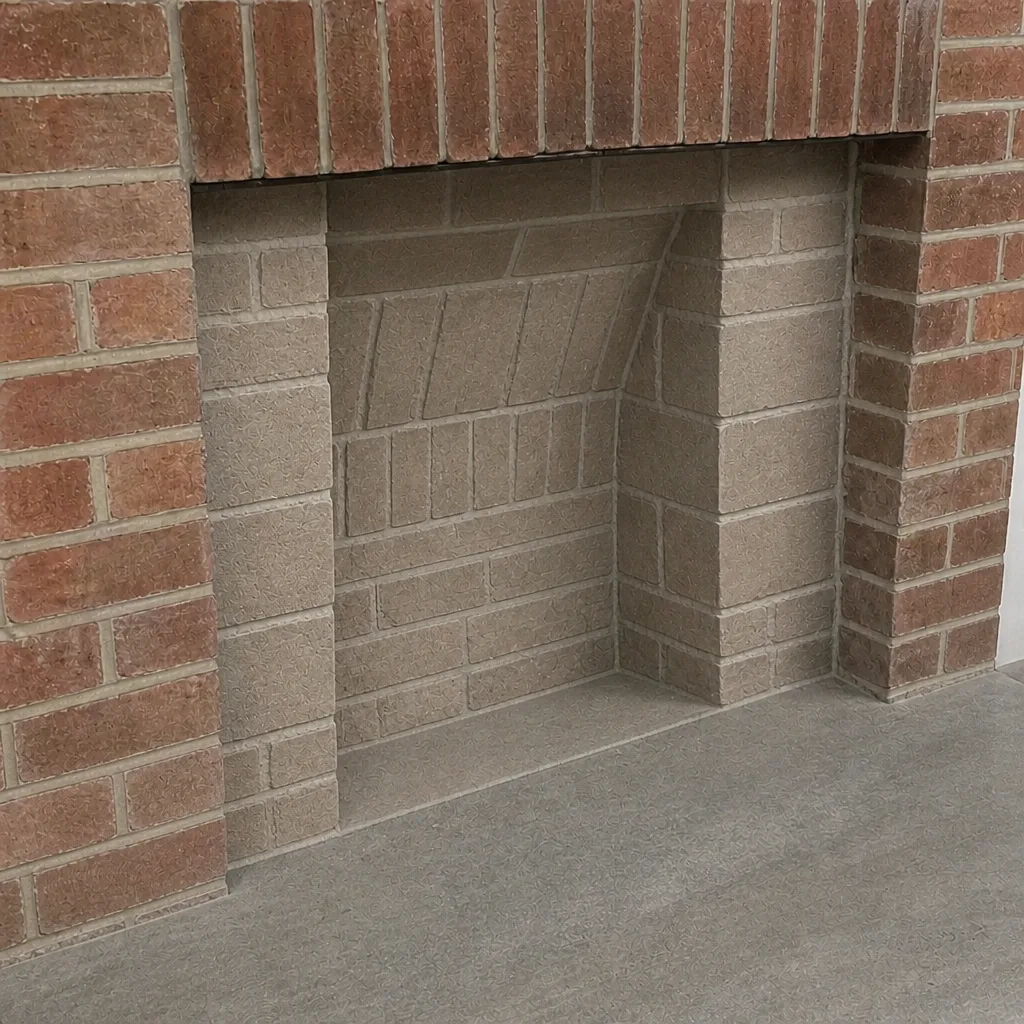
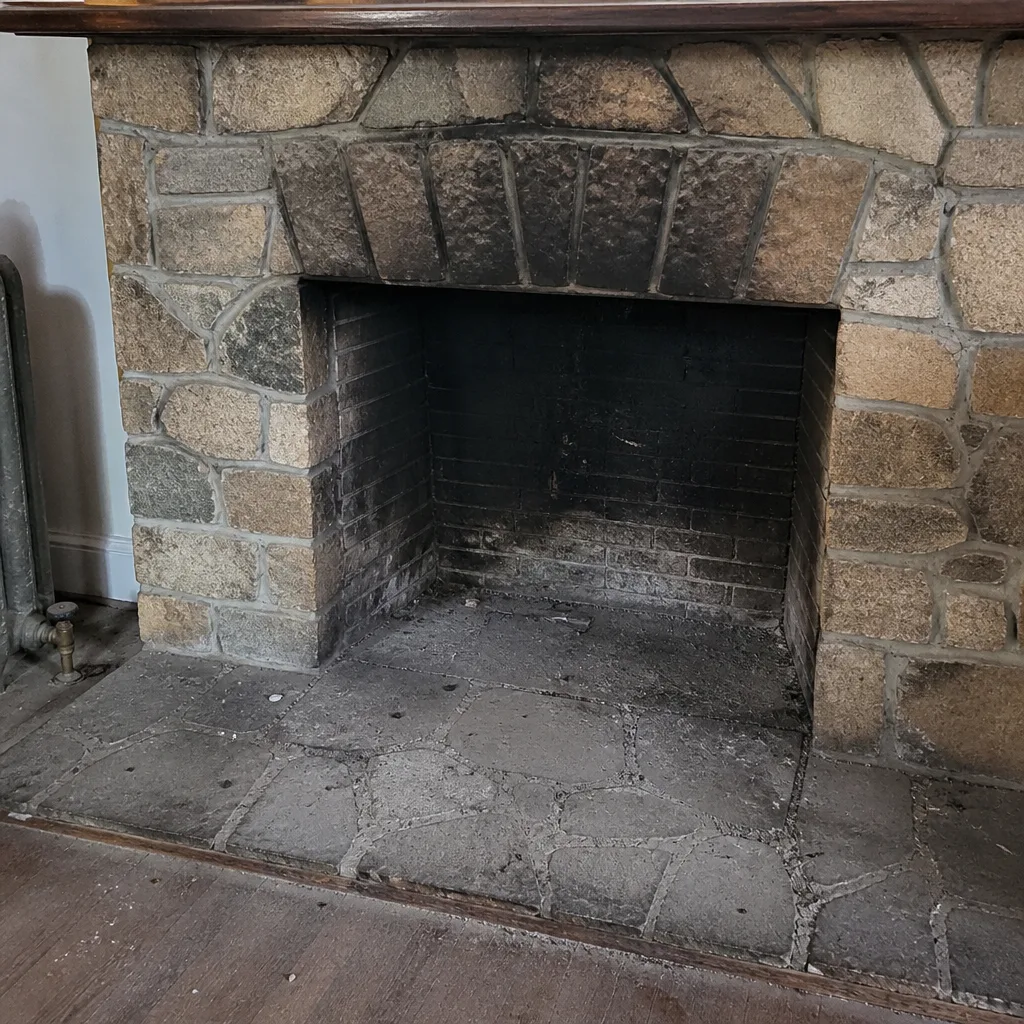
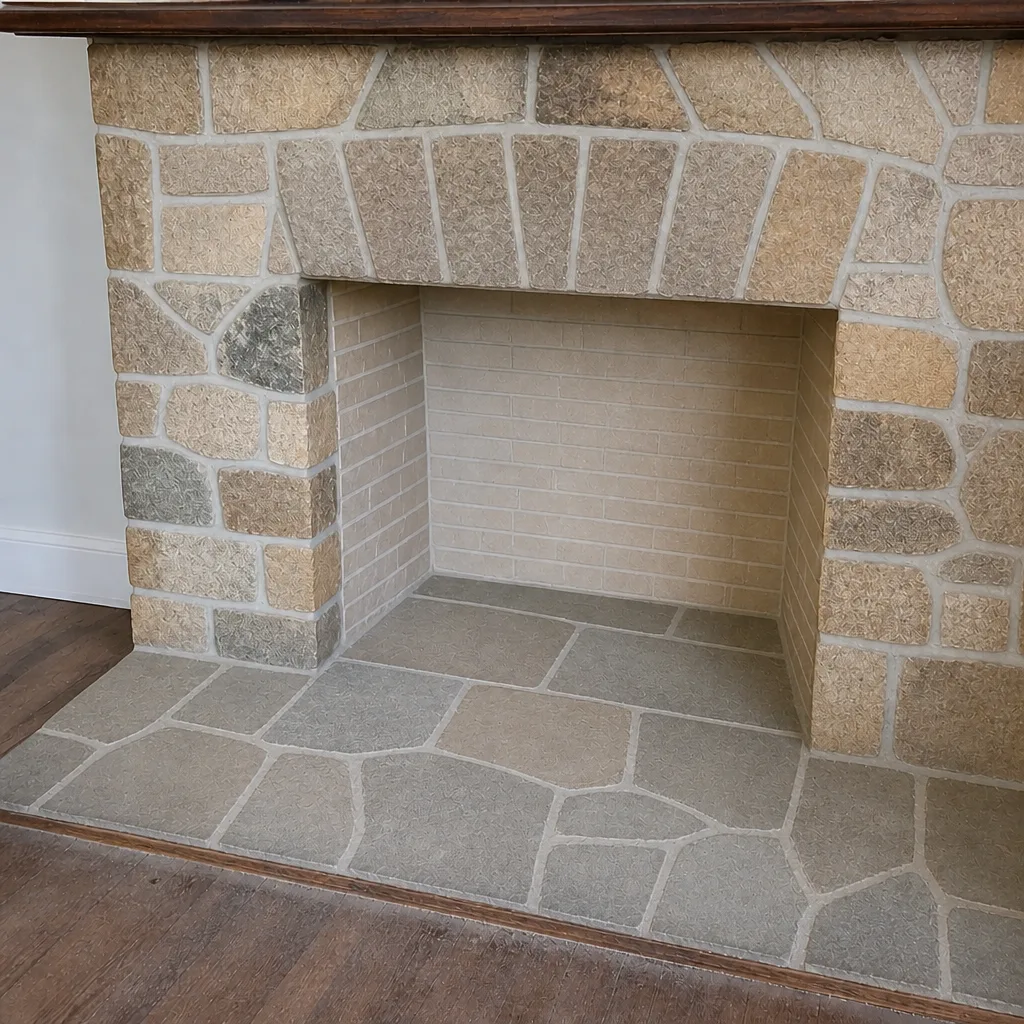
See the difference
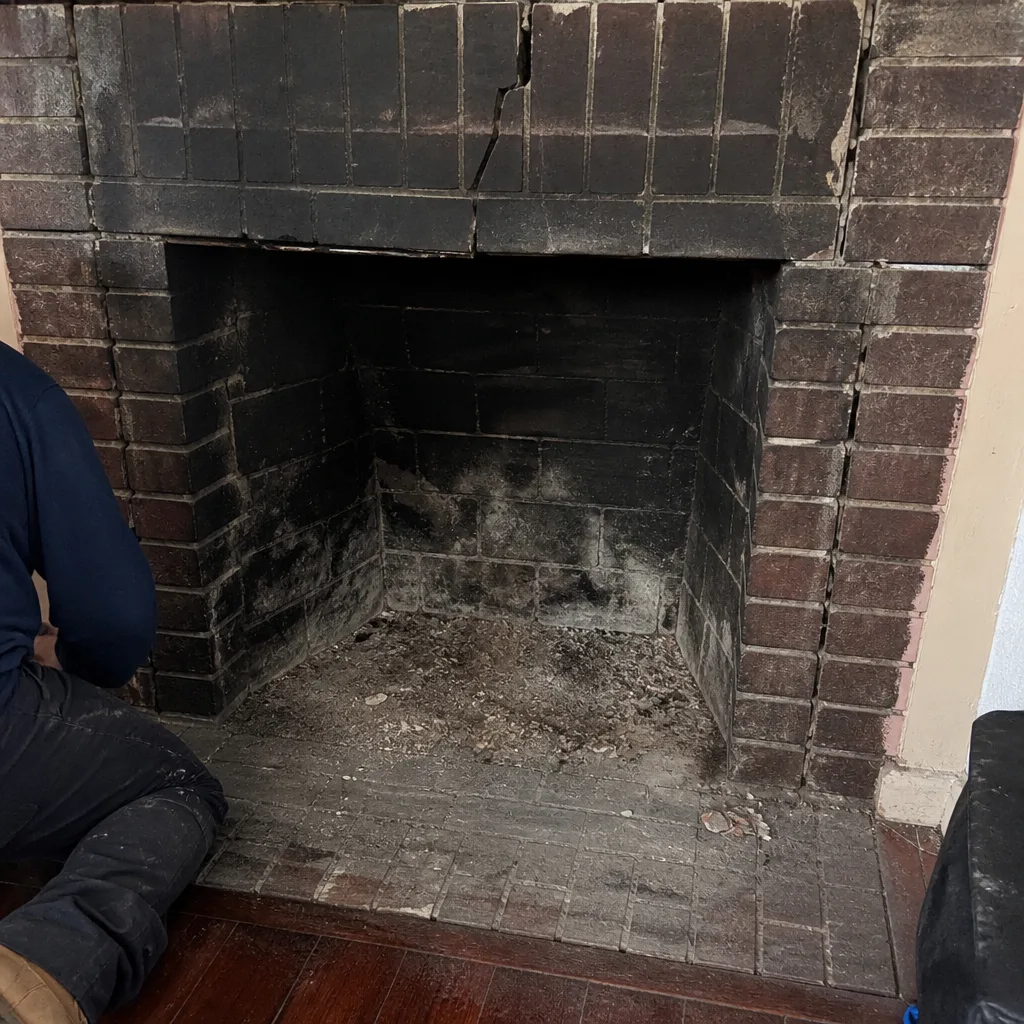 Before
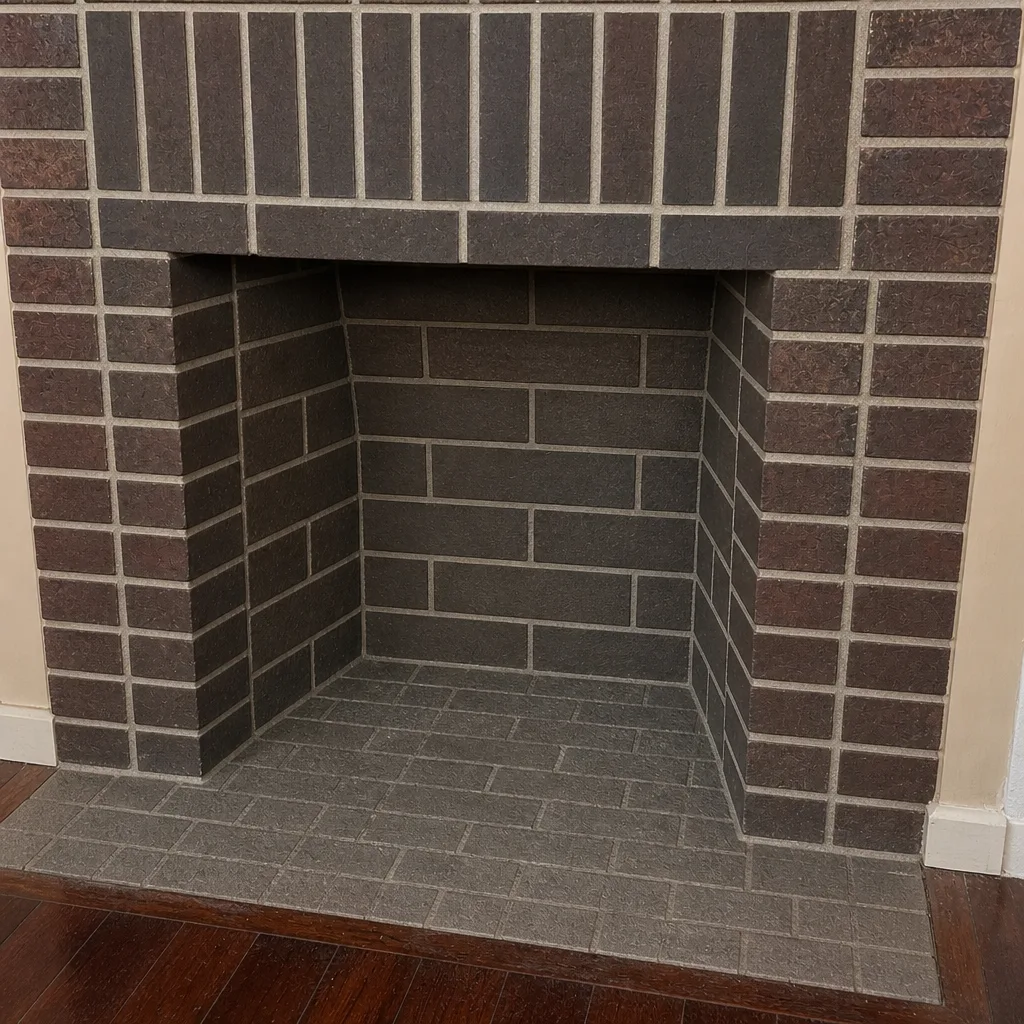 After
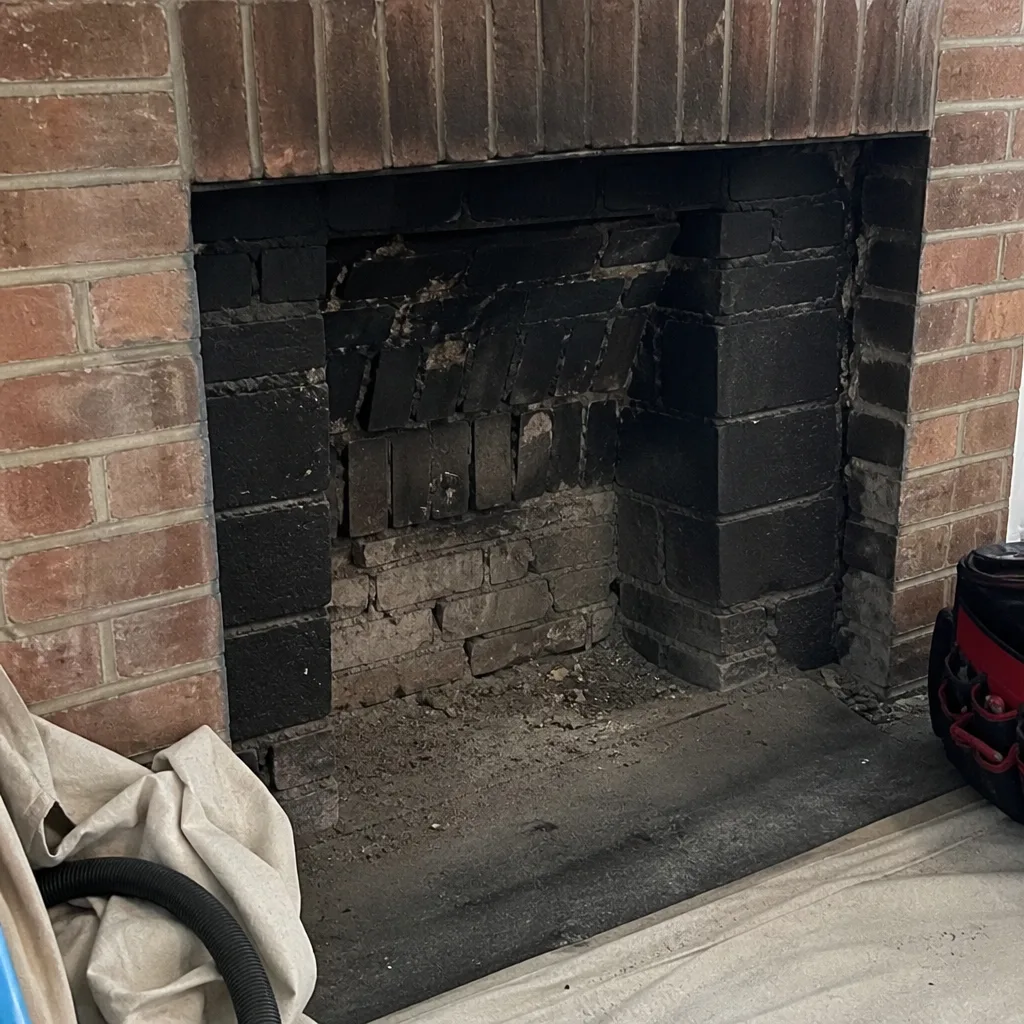 Before
 After
 Before
 After
When to Call a Professional
Call when you smell smoke coming back into the room, when you see black stains on the chimney exterior, when you’ve had a chimney fire, or when you’re buying or selling a Sunset Park house and nothing’s been documented on the flue. Call before you install an insert, before you switch fuel types, and before you spend money on a repair you haven’t verified. Call when you’re not sure what to do with a permit question and want a straight answer on which category the work falls into. Our technicians have up to 11 years of experience, and we diagnose before we quote so you’re not surprised by the price after the work starts. Chimney Sweep Sunset Park offers free estimates in Sunset Park – call (866) 937-8201. Our technicians have up to 11 years of experience, and we use professional-grade materials from DuraFlex, Olympia Chimney, Famco, and Copperfield, so the fix is the right fix the first time.
Frequently Asked Questions
No. Routine chimney cleaning is maintenance and doesn’t require a NYC DOB permit. What does require a permit is the repair the cleaning uncovers – a liner replacement, firebox rebuild, or appliance installation are all alterations under the NYC Construction Codes. Call (866) 937-8201 for a free estimate – we’ll tell you which category your job falls into before quoting.
A chimney inspection in Sunset Park is typically included as part of the sweep visit or quoted as a separate small job, and a camera inspection with a photo report costs more than a visual check because it documents what’s inside the flue. We quote per job by written estimate, and the estimate is free. Call (866) 937-8201 for an exact quote.
Unpermitted chimney work in NYC stays on the property record as an open question until it’s resolved, and it can surface at closing when a buyer’s attorney pulls the DOB record. The fix is to get a formal inspection with documentation and have a licensed local pro make the appropriate filing. It’s solvable – the earlier it’s addressed, the easier the closing.
Local Law 11 is NYC’s facade inspection law, applying to buildings above a certain height, and chimneys at the roofline can be drawn in because they’re part of the building envelope. Most two- and three-family row houses in Sunset Park aren’t covered by the law’s filing requirements, but a leaning chimney or a failing parapet is a structural issue regardless of what the law requires. Call (866) 937-8201 if you don’t know whether your building is in scope.
A Class A flue is the designation for a chimney venting a solid-fuel appliance – a wood-burning fireplace, stove, or listed insert – and it carries construction, clearance, and material requirements. Installing a wood stove insert means the flue has to meet those requirements, which typically means a properly sized stainless liner running the full height, not an insert dropped into the old flue. That installation is permitted work. Call (866) 937-8201 to check what your flue is rated for.
Once a year for a regularly used fireplace, and more often if you burn heavily or burn unseasoned wood. The sweep itself is a good time to have the flue inspected, because creosote buildup and liner condition are the two things that matter. The chimney inspection service supports both routine maintenance and real-estate transaction requirements. Call (866) 937-8201 to book a sweep before the season starts.
The Bottom Line
The permit question in Sunset Park isn’t about the cleaning. It’s about the repair. Routine sweeping, cap work, and minor repointing are maintenance you can book without a filing. Liner replacement, firebox rebuilds, and appliance installations are alterations under the NYC Construction Codes, and the paper trail matters most when you sell. Pull your DOB record, get a camera inspection with a photo report, and ask about permits on any quote that involves structural change. That’s the sequence that keeps the chimney functional and the title clean. Our team has the diagnostic side of this work covered – sweeping, inspection, cap and crown, liner repair with HeatShield and DuraFlex, and fireplace restoration. Call (866) 937-8201. We answer 24/7. Fast dispatch from 7am to 7pm, Sunday through Friday.
Written by the team at Chimney Sweep Sunset Park.