
Last updated November 22, 2026
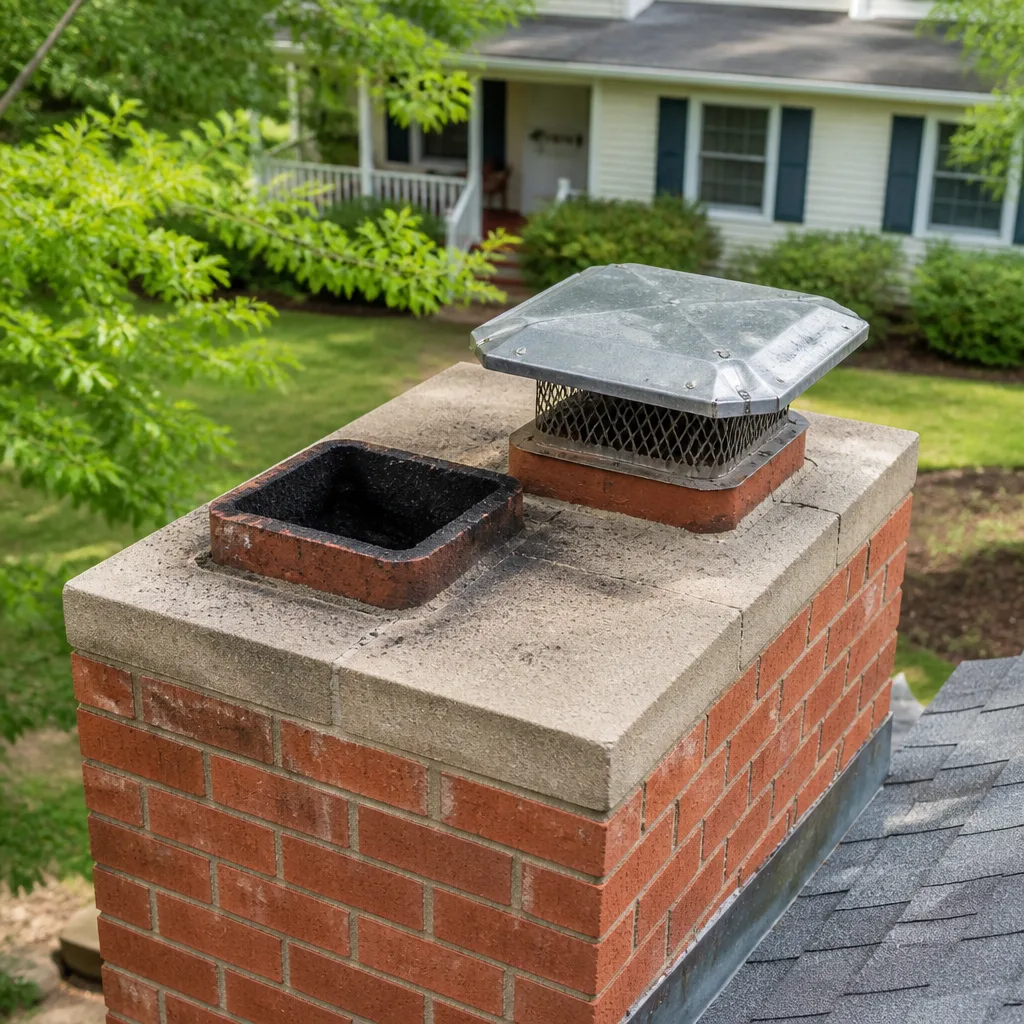 Sweep & inspection
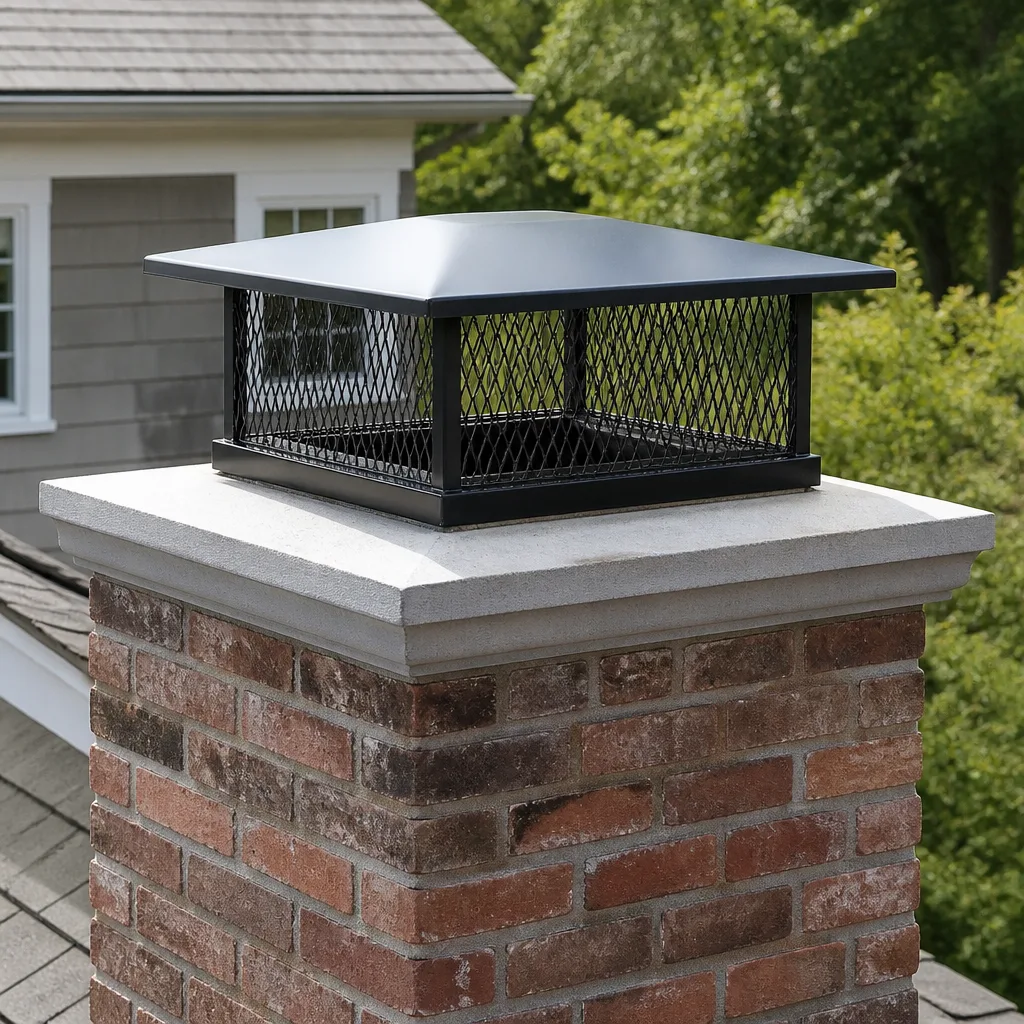 Caps & crowns
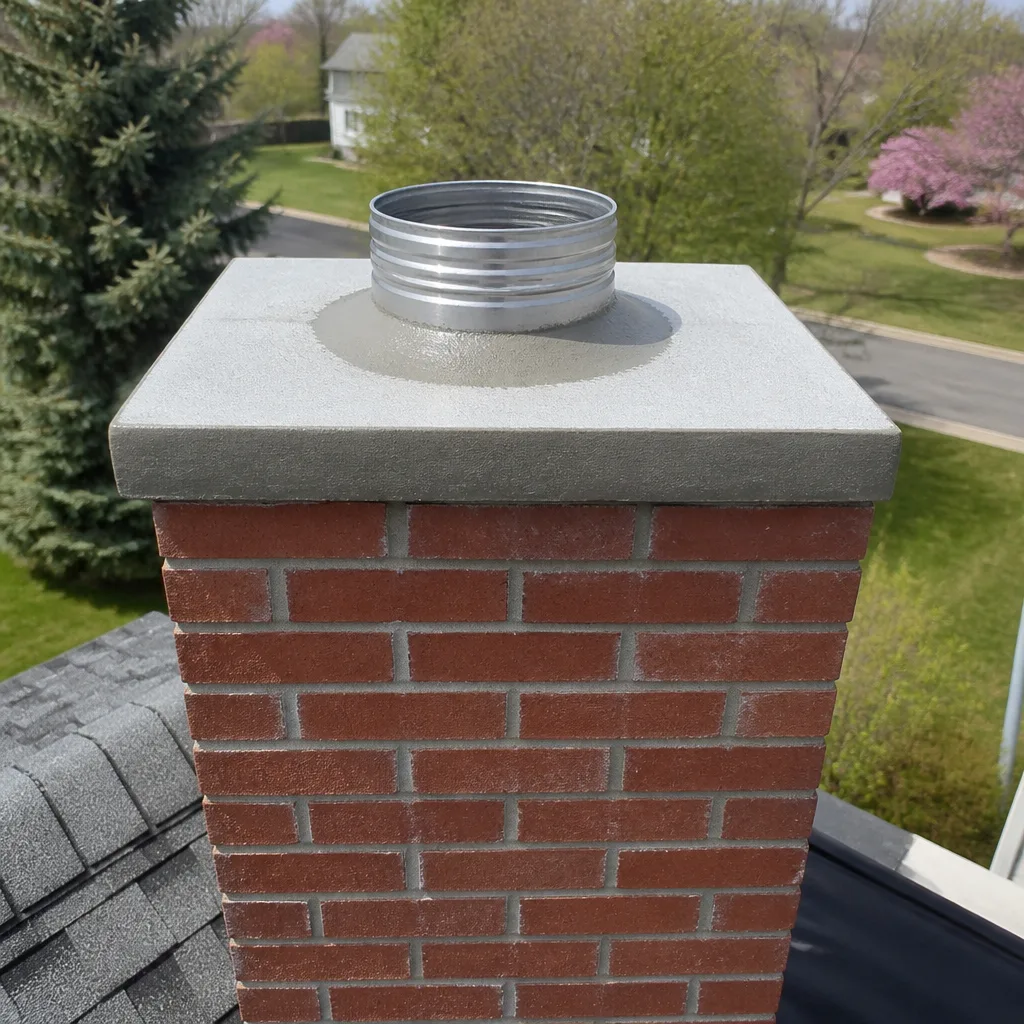 Flue relining
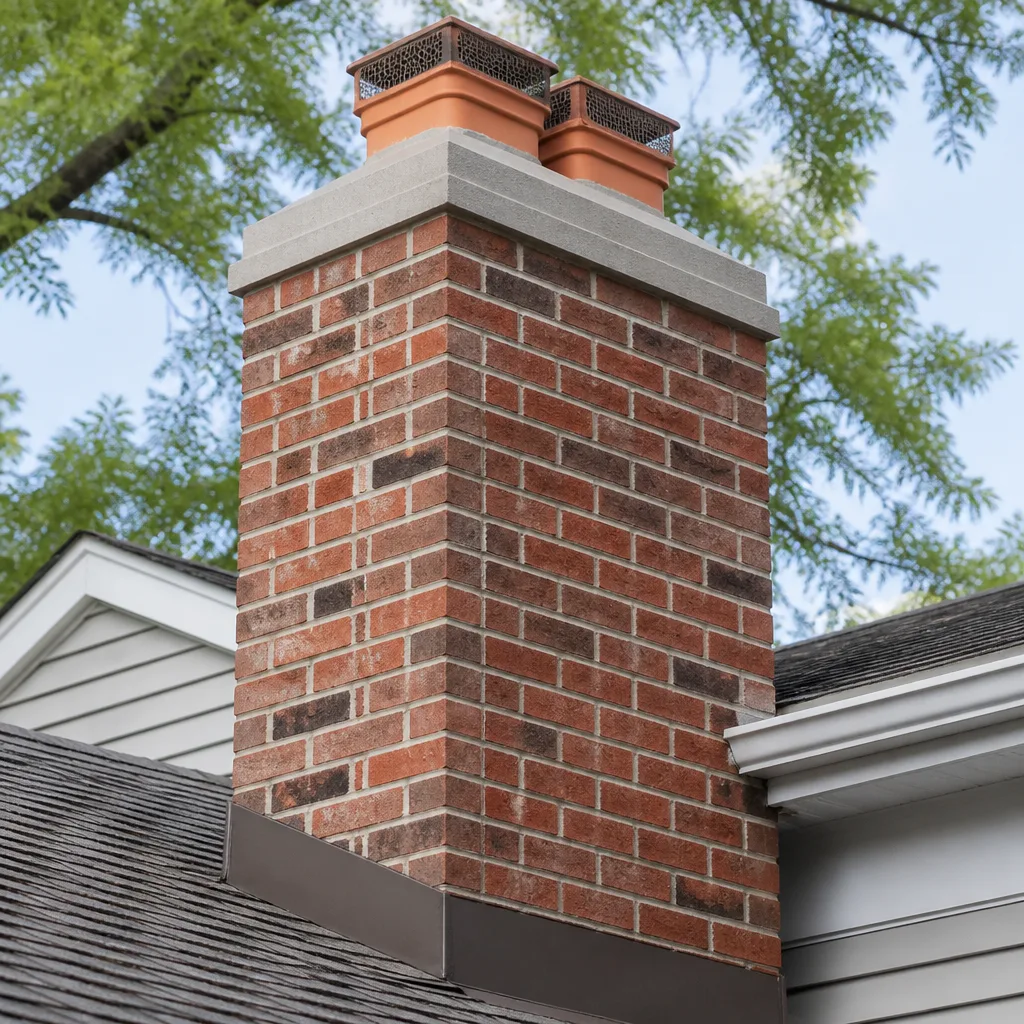 Masonry repair
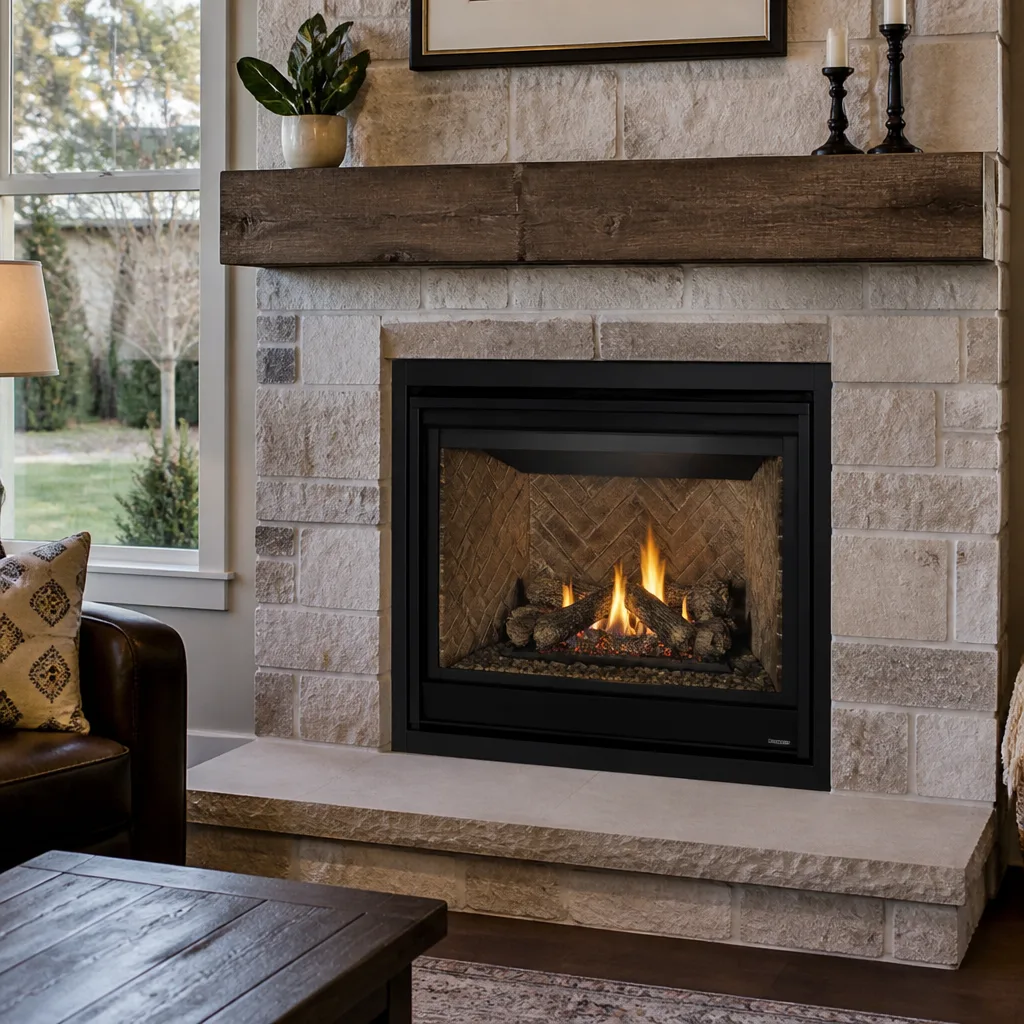 Gas fireplace service
Level 1 sweep and inspection to the NFPA 211 annual standard - flue, crown, cap, and flashing checked and photographed
Chimney sweep logs do not sweep chimneys. They loosen some creosote - which then falls where a brush and vacuum still have to collect it.
The Complete Guide to Chimney Cleaning in Sunset Park
Most Sunset Park homeowners who’ve had a chimney fire didn’t know they had a problem. That sounds dramatic until you understand why. A quick visual check down the flue with a flashlight misses the creosote that actually causes fires. Stage-three glazed creosote looks like a shiny black glaze fused to the tile, and it hides in the upper flue where a short ladder and a dim light can’t reach. That’s the gap between a bare-minimum sweep and a real diagnosis. This guide maps the whole process from cap to firebox, so you know exactly what thorough chimney cleaning in Sunset Park should look like, what your invoice should say, and how to read the signs that your last cleaning missed something.
Quick Answer
Chimney cleaning in Sunset Park means removing creosote, soot, and blockages from the flue and then inspecting the full system, cap to firebox, to confirm it’s safe to use. A thorough sweep includes proper lighting and camera access, a written condition report, photos, and product-specific recommendations. A sweep that leaves you with a vague “looks fine” and no documentation isn’t a diagnosis.
Styles & brands we work with
- Sweep & inspection
- Caps & crowns
- Flue relining
- Masonry repair
- Gas fireplace service
Table of Contents
- What chimney cleaning actually covers
- What NFPA 211 requires vs. a bare-minimum sweep
- Why Sunset Park row houses build creosote differently
- The three grades of creosote and the tools that match them
- What a full-service sweep should hand you at the end
- How to read your fireplace for signs of an incomplete cleaning
- How often a Sunset Park chimney needs sweeping
- Repairs that follow a diagnosis, and why the materials matter
What Chimney Cleaning Actually Covers
A chimney cleaning is a diagnostic process with a sweep built into it, not a sweep with an inspection tacked on. The order matters: you inspect first, clean second, inspect again. The first pass tells the technician what they’re dealing with (creosote grade, flue condition, blockages, cracks). The cleaning removes the hazard. The second pass confirms nothing was missed and documents the result.
Here’s what a complete visit should cover from the top of the chimney down:
- The cap and crown: cracks, missing screens, rust, and whether water and animals have a way in
- The flue itself: creosote grade, tile condition, joints, offsets, and any glaze that’s fused to the surface
- The smoke chamber and damper: the transition area above the firebox where debris collects and where most sweeping gets rushed
- The firebox: mortar joints, brick faces, and the fireback
- The appliance connection: the pipe, collar, and any stove or insert venting
If your technician only brushes the flue and leaves, you’ve paid for the easy half. The smoke chamber and damper shelf are where a lot of the danger builds up in an older chimney, and they’re awkward to reach, which is exactly why shortcuts happen there. A proper chimney sweep in Sunset Park should tell you what they cleaned, not just that they cleaned.
What NFPA 211 Requires vs. a Bare-Minimum Sweep
NFPA 211, the standard that covers chimneys, fireplaces, vents, and solid fuel appliances, sets the baseline for inspection and cleaning. It defines three inspection levels, and the level you get changes what the sweep can actually find. A bare-minimum sweep usually delivers a Level 1 inspection, and a Level 1 inspection is visual only. It covers readily accessible portions of the system with the tools the technician brought.
Here’s how the levels differ, in plain terms:
- Level 1: a visual check of accessible parts. Fine for a well-maintained chimney that’s had no changes, no problems, and no event since the last check.
- Level 2: everything in Level 1 plus access to areas that require tools, including the attic, crawl space, and the flue interior via camera. Required after a chimney fire, a change in fuel or appliance, a real-estate transaction, or any sign of a problem.
- Level 3: everything in Level 2 plus opening up concealed parts of the structure when a serious hazard is suspected and can’t be assessed any other way.
How you tell the difference on your invoice: a Level 1 invoice will list a sweep and a visual check. A Level 2 record will reference camera inspection of the flue, mention the accessible areas checked, and include photos or a written condition summary. If the paperwork is silent on those, you paid for a Level 1 whether anyone said so or not. Sunset Park homes with older flues and any history of chimney problems deserve at least a Level 2, and it’s the standard we work to.
Why Sunset Park Row Houses Build Creosote Differently
Sunset Park’s housing stock changes how a chimney behaves. The neighborhood has a dense mix of attached row houses, older masonry buildings, and converted multi-unit homes, and that mix produces creosote patterns a suburban detached house rarely sees. Three things drive it.
Shared walls and taller runs. A row house chimney often rises through a taller stack than its footprint suggests, and taller flues run cooler at the top. Cool flue gas condenses more creosote on the walls. More condensation means faster buildup, and it happens where nobody looks.
Clay tile liner age. Many flues in the neighborhood were built with clay tile that has been through decades of heating and cooling. Cracked or spalled tile gives creosote a place to lodge and shorts the flue of the smooth surface it needs. A flue that’s clean but has damaged tile is still a problem, and a sweep that doesn’t check tile condition only half-did the job.
Attached construction and shared chase space. When chimneys pass through shared or adjacent chase space, a problem in one can affect the neighboring unit’s air pressure and draft. Blocked or partially blocked flues in attached homes are worth taking seriously because the failure modes don’t stay neatly on one side of the wall.
In our experience, this is why the materials matter as much as the labor. A diagnosis on a Sunset Park row house chimney often ends in a repair, whether that’s resurfacing a cracked smoke chamber with HeatShield, replacing failed tile with a DuraFlex liner system, or re-capping an open crown. We name the brands we install because the fix has to hold up in the same conditions that caused the problem. And we don’t hand the findings to a subcontractor; the same team that cleans and inspects is the team that repairs.
The Three Grades of Creosote and the Tools That Match Them
Creosote isn’t one substance. It’s a range from light soot to hard, tar-like glaze, and each grade needs a different approach. Using the wrong tool on the wrong grade either leaves the hazard in place or damages the flue. This is the part of the job that separates a real sweep from a quick brush.
- Stage one: soot and light fluff. Soft, powdery, easy to remove. A standard hand brush or a run-of-the-mill brush on rods handles this. It’s the least dangerous grade and the most common.
- Stage two: crusty, flaky deposits. Harder, shinier, and stuck to the flue walls. Standard brushes skip over it. A rotary whip with the right head abrades it off the tile, and a hand brush is used to finish and clear the loosened material.
- Stage three: glazed, hardened creosote. Looks like black glass fused to the flue. Fire-hazardous and difficult to remove. Rotary whips alone won’t cut it. It needs chemical treatment that softens the glaze over time, followed by rotary and hand work, sometimes across more than one visit. A sweep who finds stage three and shrugs is telling you they can’t handle it.
Matching the tool to the grade is the whole job. Brushing light soot with a rotary whip is fine; brushing stage-three glaze with a hand brush just polishes it. On some Sunset Park flues we find a mix of grades in the same run, which means switching tools as we go and confirming with a camera that the upper flue is actually clear.
What a Full-Service Sweep Should Hand You at the End
You should leave with documentation, not a verbal impression. A proper sweep produces a written record of what was found, what was cleaned, and what, if anything, needs attention. If the only output is “looks fine,” you can’t verify anything and neither can anyone else who might buy the house or work on the system later.
Here’s what a complete sweep should leave in your hands:
- A written condition report. Inspection level, what was accessed, what was found, and the current condition of the flue, smoke chamber, damper, firebox, cap, and crown.
- Photos. Images of the flue interior before and after, plus any defects found. You should be able to see the problem, not just read about it.
- A creosote grade assessment. What grade was found, how much, and what it means for your next cleaning interval.
- Specific recommendations by product. Not “you may need a liner eventually,” but which product line applies and why. A recommendation you can’t check against a model number is a sales pitch, not a diagnosis.
- A clear note on what can wait. Some findings are urgent, some can go on a schedule. A straight answer on which is which is part of the service.
The difference between a vague note and a specific one is the difference between “the crown has a hairline crack” and “the crown should be re-sealed before another winter.” The first is a fact. The second is a plan. We diagnose before we quote, so the written estimate sets the price, and no surprise add-ons appear after the ladder comes down.
How to Read Your Fireplace for Signs of an Incomplete Cleaning
You don’t need to climb the roof to spot a rushed job. Your fireplace and wood stove give you plenty of signals that the last cleaning missed something. Look for these before your next burn:
- Glaze high in the firebox or smoke chamber. If the surfaces just above the damper look shiny and black, the sweep stopped short of the hard-to-reach zone.
- Chips and flakes in the firebox after a cleaning. Some debris is normal. A small pile that appears after the sweep “finished” often means the smoke chamber wasn’t cleaned.
- A damper that’s gritty or stiff. A sweep should clear and check the damper. If it binds, it wasn’t part of the job.
- Creosote smell that returns quickly. If the smoky odor comes back within a few weeks of cleaning, there’s buildup the sweep didn’t remove.
- A smoky draft that hasn’t improved. A proper cleaning restores draft. No change means a blockage, cracked tile, or a flue problem that needs an actual inspection.
- No photos and no report. The biggest tell of an incomplete job is a sweep who can’t show you anything.
In our experience, these signals come up most often in Sunset Park row houses where the flue run is long and the top of the stack is easiest to skip. If several of these feel familiar, book a Level 2 inspection rather than another basic sweep. You want the diagnosis, not just a second brushing. A chimney repair might not be the answer at all, but you can’t know that until someone looks up the flue with a camera.
How Often a Sunset Park Chimney Needs Sweeping
Most chimneys need sweeping based on how much you burn, not on the calendar. A common working rule is to check once a year and sweep whenever creosote has built to about an eighth of an inch. A heavy user who burns through the cool months can need more than one sweep a year. A homeowner who lights a handful of fires every season might not.
For Sunset Park, here’s how we think about the schedule:
- Regular fires, wood only: an annual inspection with sweeping as needed. Check the creosote grade every visit.
- Frequent fires, unseasoned wood: check more often. Green or wet wood puts more water vapor up the flue, which condenses faster and builds creosote sooner.
- A stove or insert: follow the appliance manufacturer’s interval, but inspect annually regardless. Inserts draft differently and can run cooler, which changes the buildup pattern.
- Any chimney fire, even a small one: a Level 2 inspection before you burn again, no exceptions.
- Before a real-estate sale or after buying a home: a Level 2 inspection so the condition is documented.
The right interval comes from your actual creosote grade, not a fixed guess. That’s why the report matters. It tells you what your specific system does, and the next interval gets set from there. The same logic applies to every part of the system, which is why we treat the chimney cap & crown as part of the maintenance picture and not an afterthought.
Repairs That Follow a Diagnosis, and Why the Materials Matter
A diagnosis that finds a problem should end in a repair, not a referral. Most of what we find during cleaning in Sunset Park falls into a handful of categories, and each has a real fix rather than a patch.
- Cracked or spalled flue tile: a flexible liner system handles this. DuraFlex liner systems get measured and installed for the full run, not pieced together.
- Deteriorated smoke chamber: resurfaced, not rebuilt. HeatShield resurfacing restores a compromised smoke chamber to working condition, which is a repair most sweep-only outfits can’t offer.
- Failed mortar and firebox damage: repointed and rebuilt where it matters, using materials rated for the heat.
- Damaged cap and crown: replaced or rebuilt to keep water and animals out of the flue and to protect the top of the stack.
- Fireplace restoration: when the firebox and surround are past patching, a full restoration brings the whole assembly back.
We stock and install professional-grade materials from a set of brand lines: Olympia Chimney for venting and liners, Gelco for caps and related components, plus DuraFlex and HeatShield for the liner and resurfacing work. These are the same materials commercial and restoration contractors use, not hardware-store generics. The point isn’t the name on the box. It’s that a stage-three problem needs a repair-grade fix, and the fix has to match the diagnosis. A clean flue is the starting point; a safe, structurally sound chimney is the goal.
Common Mistakes to Avoid
- Booking a sweep with no inspection tier. If the company won’t tell you whether they do Level 1 or Level 2, you don’t know what you’re buying. Ask before you book.
- Accepting a verbal “looks fine.” No written report and no photos means no way to verify. That’s a red flag on any visit, but especially on an older Sunset Park flue.
- Skipping the upper flue because it’s inconvenient. The top of a long row house stack is where glaze hides. A sweep who stops at eye level leaves the hazard in place.
- Brushing over stage-three creosote. A hand brush won’t remove glazed creosote. It needs chemical treatment first. If a company says they can just brush it out, they can’t.
- Treating a firebox repair as cosmetic. Cracked mortar and a failing fireback let heat and gases reach where they shouldn’t. That’s a repair, not a decor project.
- Burning unseasoned or wet wood to save money on fuel. Wet wood makes more creosote, which means more frequent sweeps and higher risk. It doesn’t save anything over the season.
- Burning again right after a small chimney fire. A chimney fire, even a small one, is a reason for a Level 2 inspection before the next fire. Damage often hides where you can’t see it.
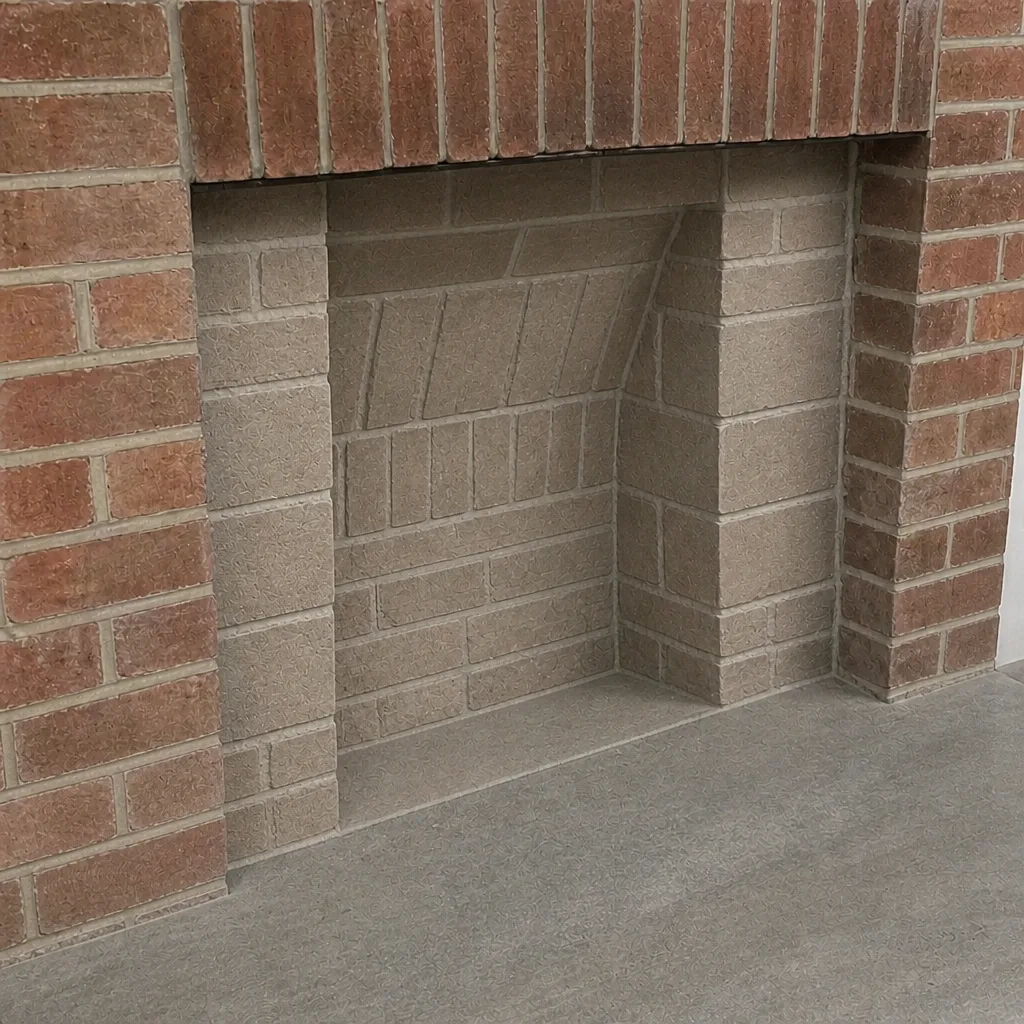
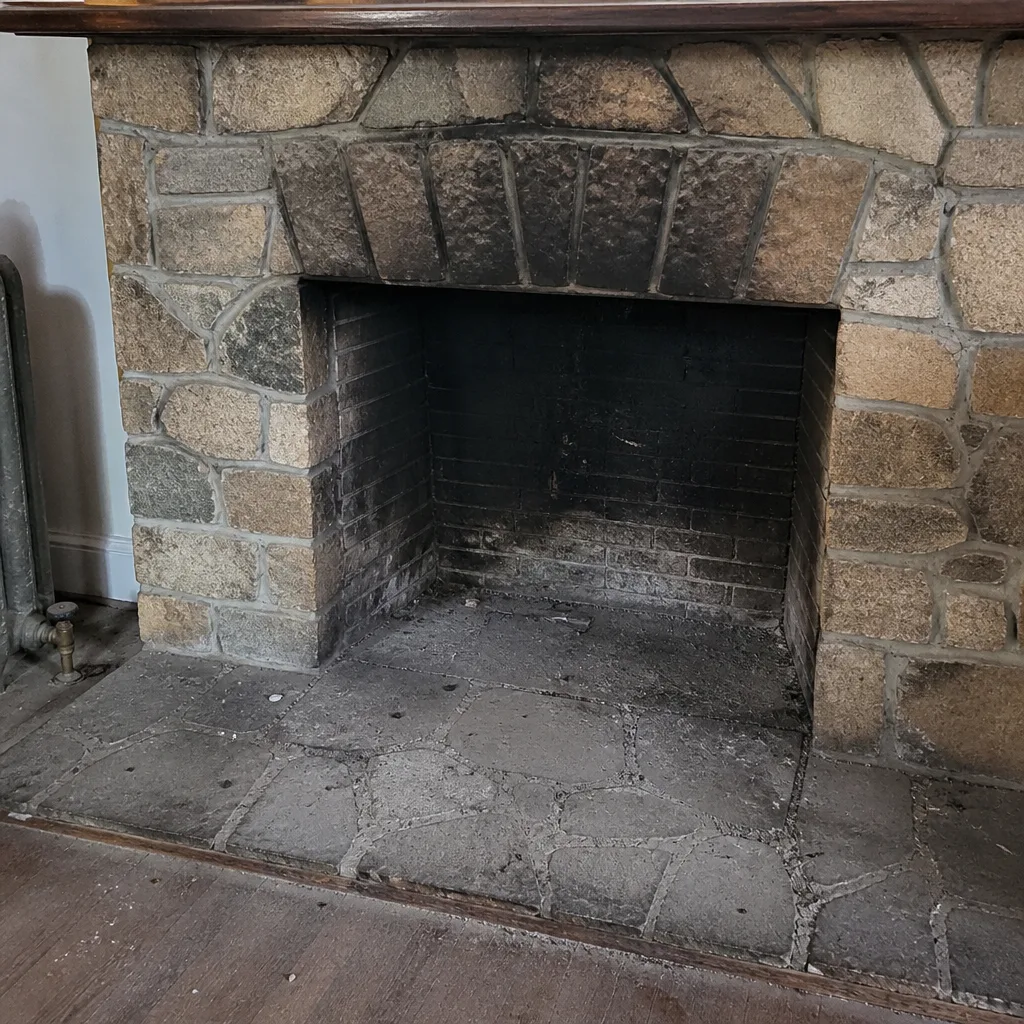
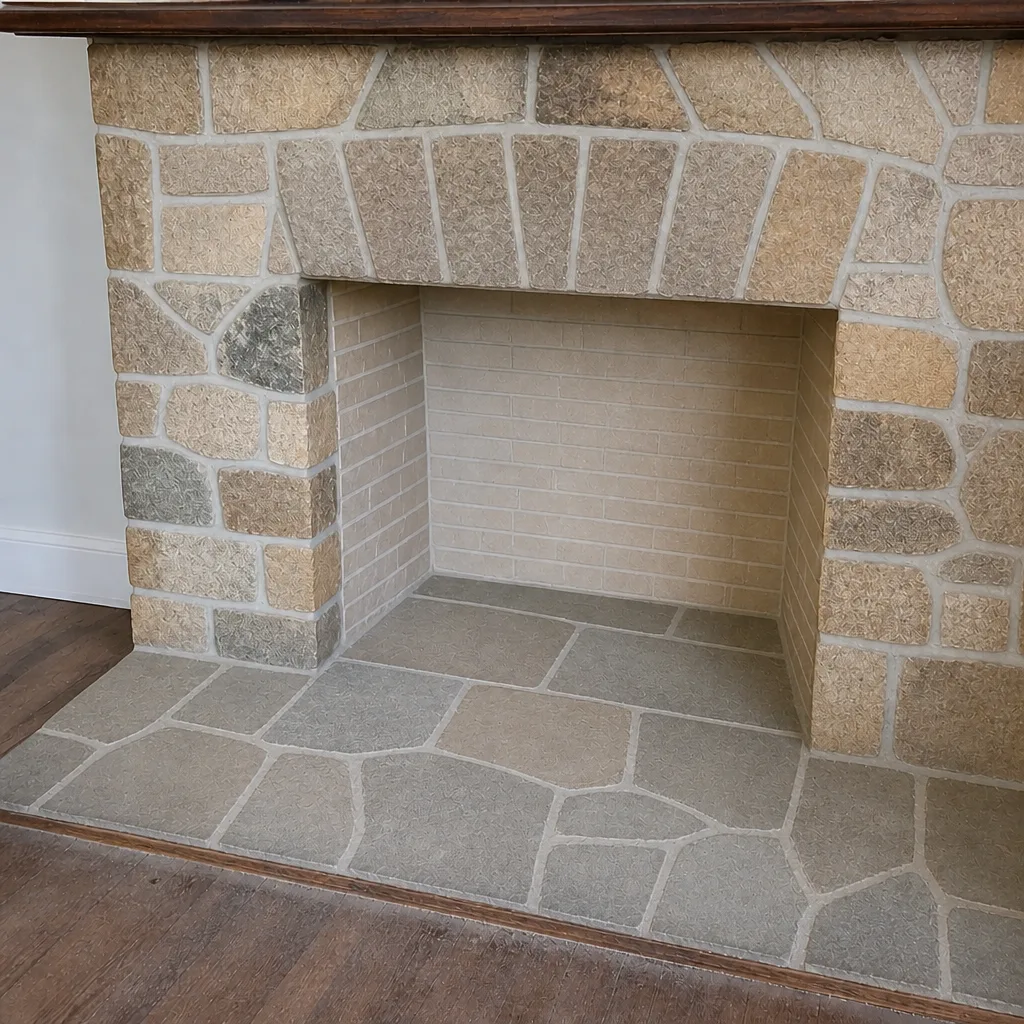
See the difference
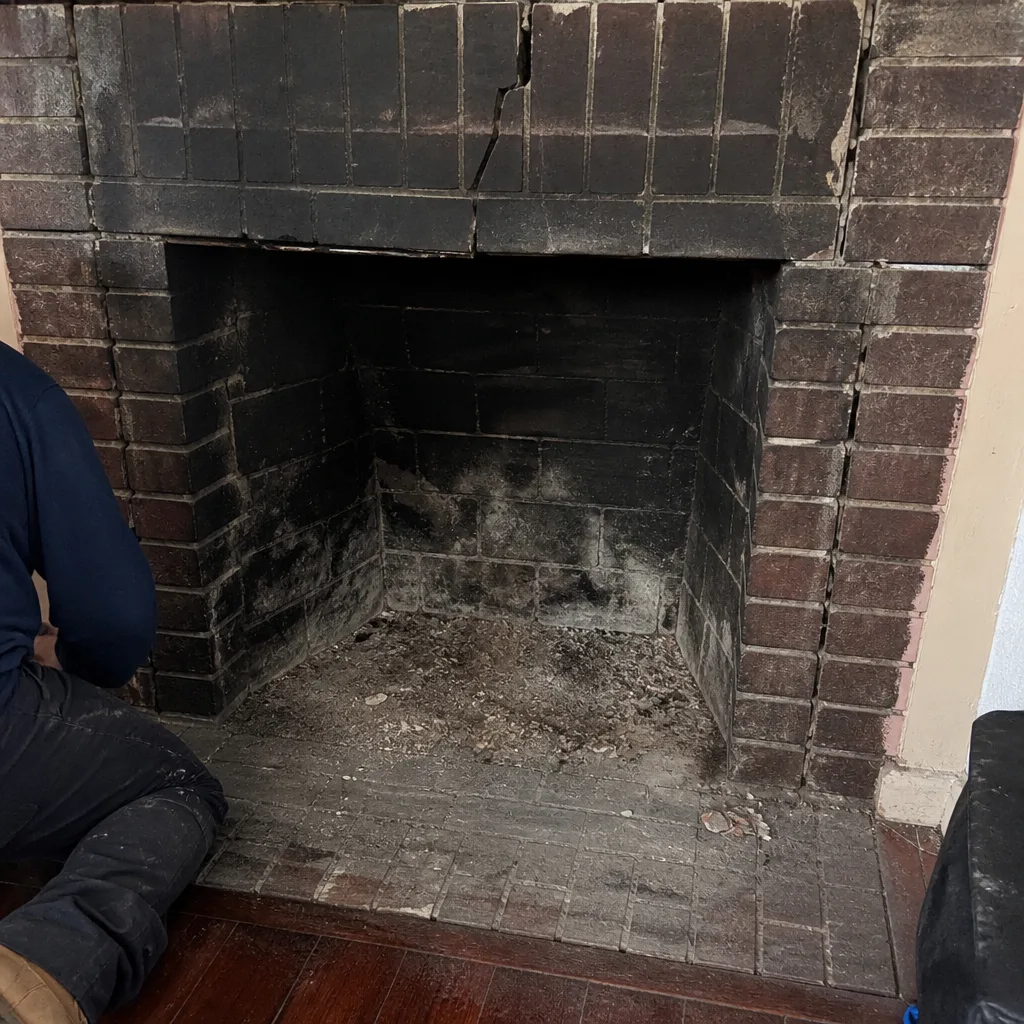 Before
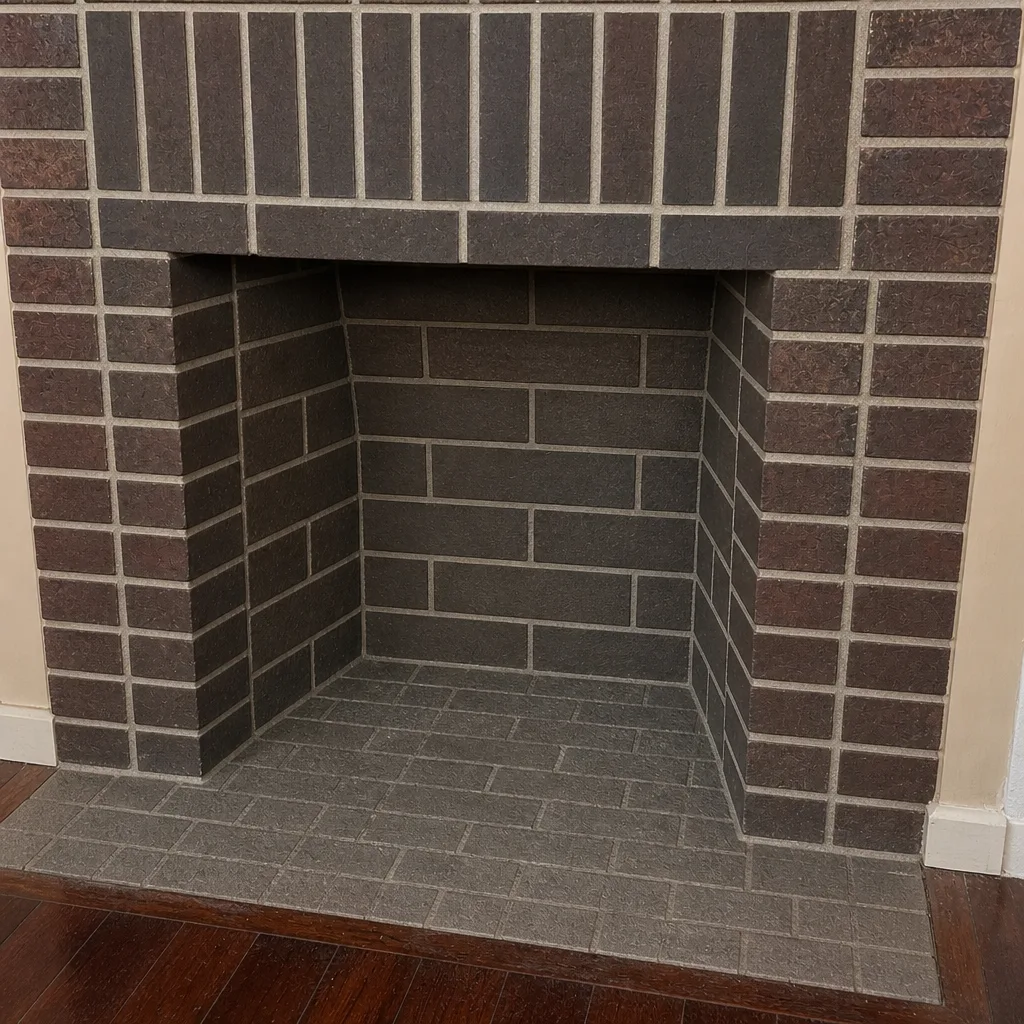 After
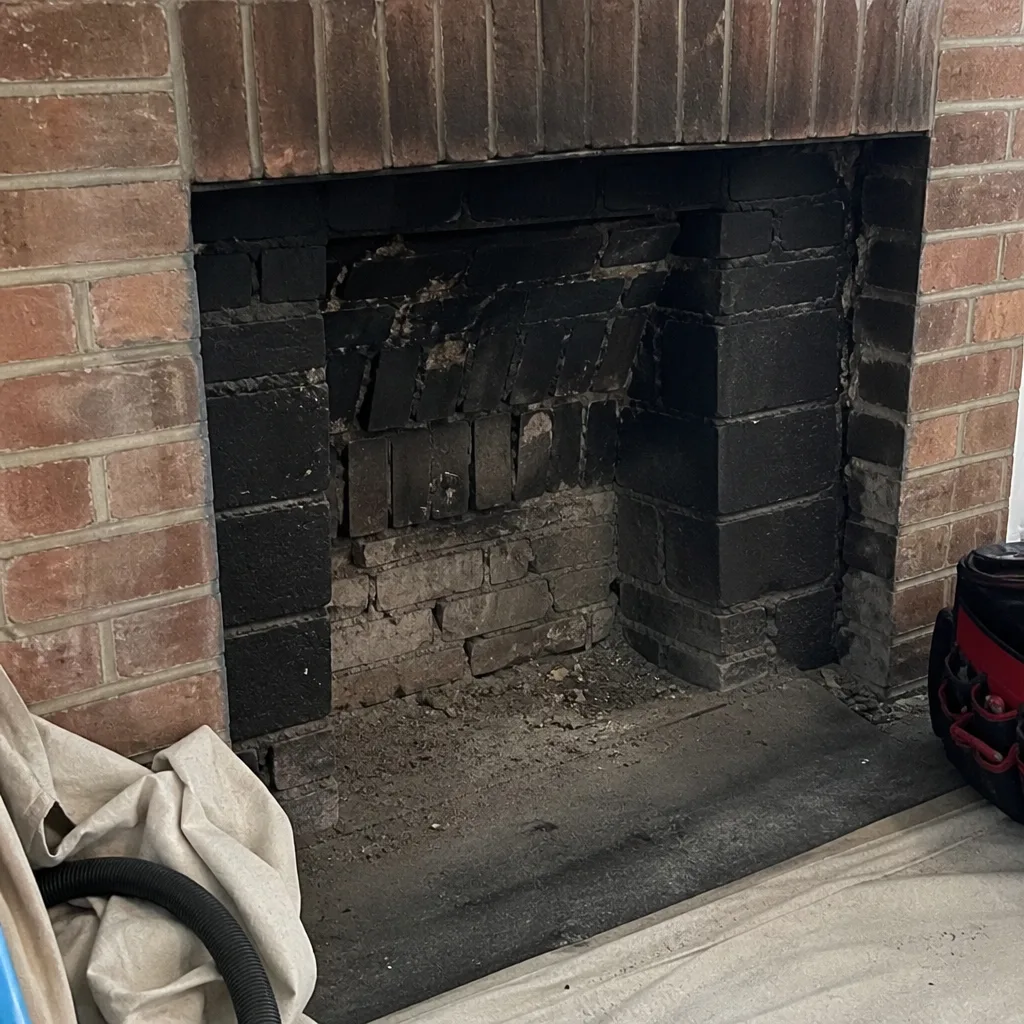 Before
 After
 Before
 After
When to Call a Professional
Some signs mean stop burning and call. A roaring sound from the flue, a whoosh or popping noise, black smoke or a strong creosote smell that won’t clear, or visible damage to the cap or crown are all reasons to stop and get an inspection. So is any chimney fire, even one you think you put out quickly. Beyond emergencies, the routine triggers are simpler: it’s been more than a year since the last sweep, you’ve just bought the home, you’ve switched fuel or added an insert, or you can’t remember the last inspection. Safety is the real reason to act, and a trained professional should be the one up on the roof, especially where springs, gas lines, or electrical work are anywhere near the job. If you’re unsure, the right move is to ask. Chimney Sweep Sunset Park offers free estimates in Sunset Park, and call (866) 937-8201 to get one on the schedule.
Frequently Asked Questions
Chimney cleaning in Sunset Park is priced per job by a written estimate after we see the flue and the appliance, so there’s no flat number that fits every home. What you pay depends on the creosote grade, the flue length, and whether the inspection finds repairs. We give you the written estimate before booking, and estimates are free. Call (866) 937-8201 for an exact quote – estimates are free.
You need a new liner only if the inspection shows cracked or spalled tile, a degraded flue, or a gap that puts heat and gases where they shouldn’t go. A camera inspection tells you which it is. If the flue is sound, you don’t need one, and we’ll say so. If it isn’t, a DuraFlex liner system resolves it in one job. Call (866) 937-8201 for a free estimate.
A chimney should be inspected once a year and swept whenever creosote builds to about an eighth of an inch. Heavy users may need more than one sweep a year; light users may not need one every year, but they still need the annual inspection. Your creosote grade sets the schedule. Call (866) 937-8201 to book an inspection – estimates are free.
Skipping a sweep lets creosote accumulate, and stage-three glazed creosote is what catches fire. A blocked or damaged flue also lets carbon monoxide back into the home instead of up and out. Neither is a reason to panic, but neither is something to put off. A sweep and a Level 2 inspection find the problem while it’s still a repair. Call (866) 937-8201 – estimates are free.
Yes. A proper visit inspects, cleans, and inspects again, and the camera work and condition report happen as part of the same appointment. If the diagnosis finds a repair, we recommend the product and give you a written estimate before any work is booked. You see the photos first. Call (866) 937-8201 to schedule – estimates are free.
A Level 2 inspection is the right call if there’s been a chimney fire, you’ve changed fuel or appliance, you’re buying or selling the home, or you suspect a problem. It adds camera access to the flue and the accessible areas a visual check misses. A well-maintained chimney with no history can start with a Level 1. Call (866) 937-8201 to talk through which fits your Sunset Park home.
The Bottom Line
Chimney cleaning in Sunset Park is a diagnosis, and the diagnosis is the value. What comes out of your flue tells a trained technician the creosote grade, the condition of the tile, and whether a repair is coming. A bare-minimum sweep brushes the easy part and leaves the rest. A real one inspects, cleans to the grade, inspects again, and leaves you with a written report, photos, and specific material recommendations. That’s the difference between a routine maintenance visit and paying twice. Book the inspection, know your creosote grade, and fix what needs fixing before the season turns.
Contact
We handle sweeping, inspection, caps and crowns, liner repair, and fireplace restoration with professional-grade brands like DuraFlex, HeatShield, Olympia Chimney, and Gelco, all under one roof. The estimate is free, the price is set per job by the written estimate, and every recommendation comes with camera evidence you can see. Call (866) 937-8201. We answer 24/7. Fast dispatch from 7am to 7pm, Sunday through Friday. From the firebox to the crown, everything in one visit.
Written by the team at Chimney Sweep Sunset Park.