
Last updated November 22, 2026
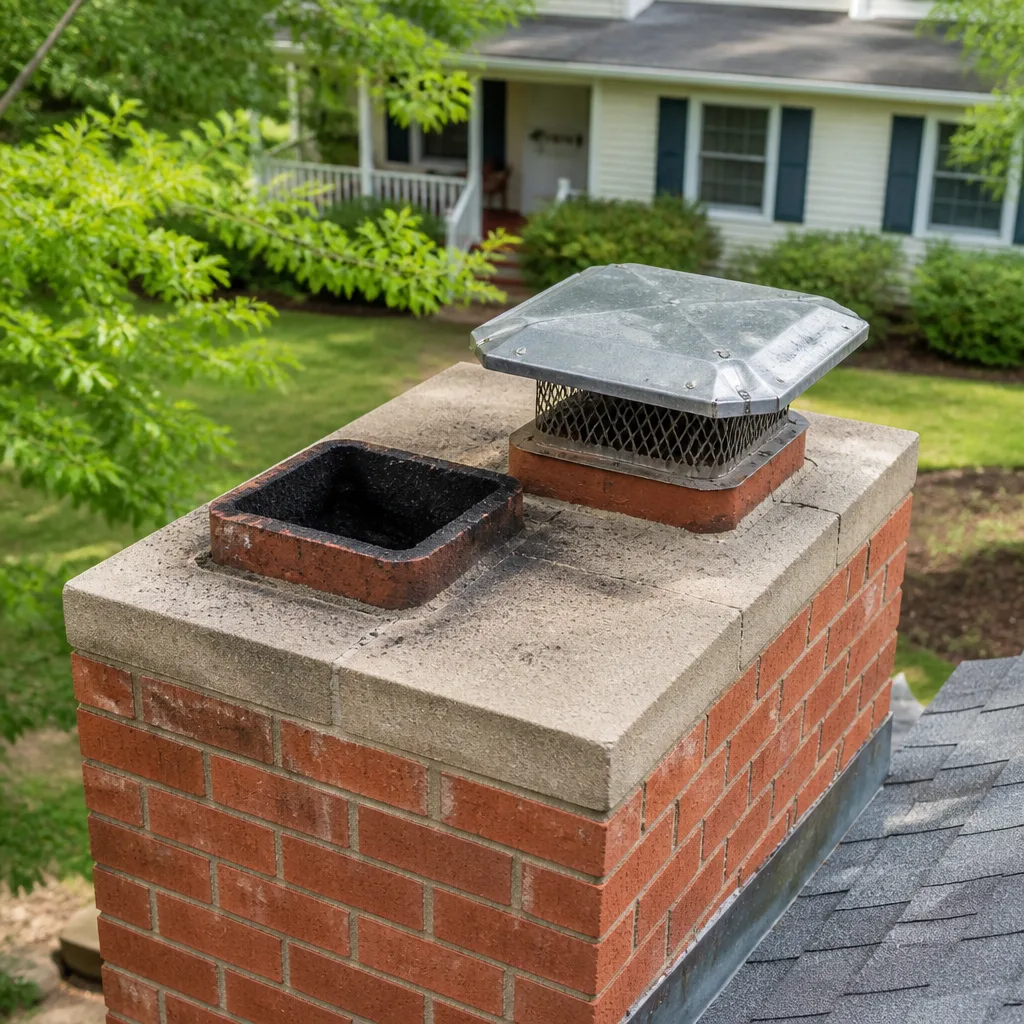 Sweep & inspection
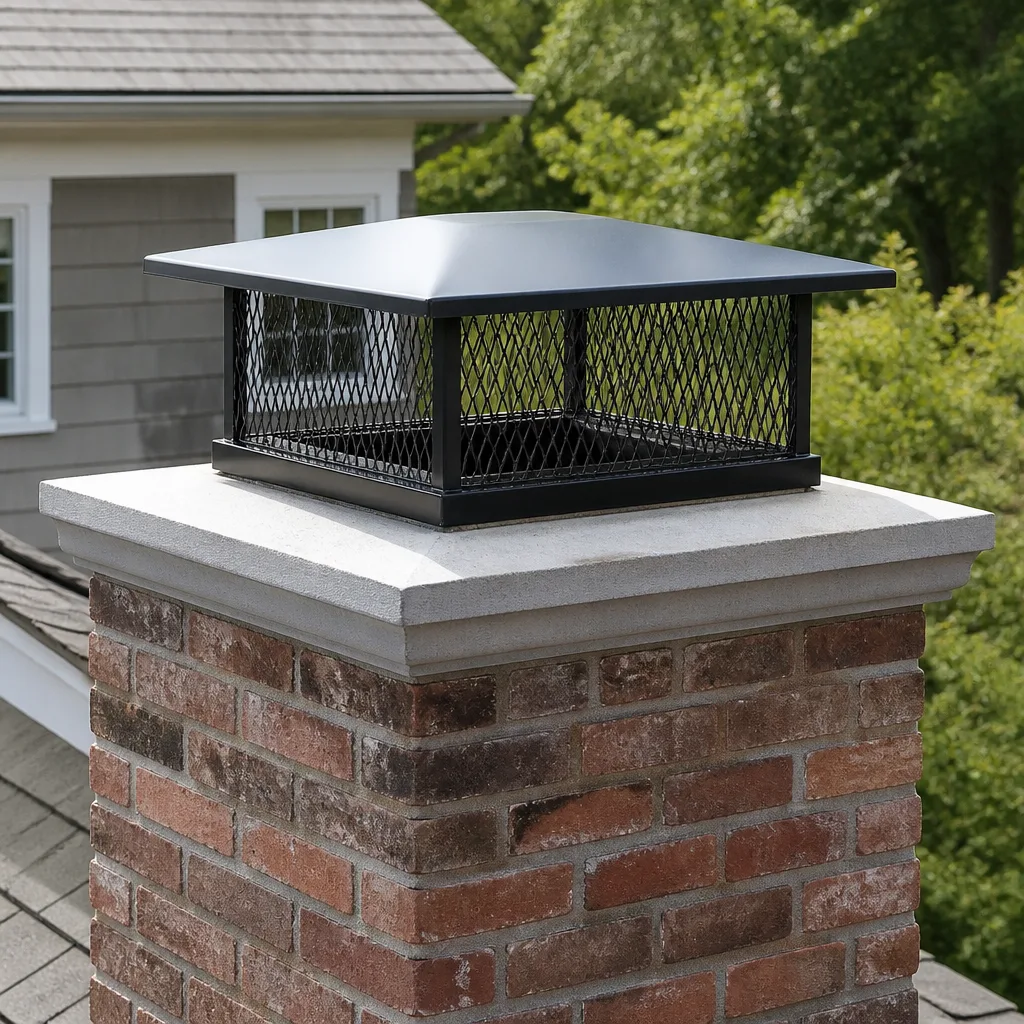 Caps & crowns
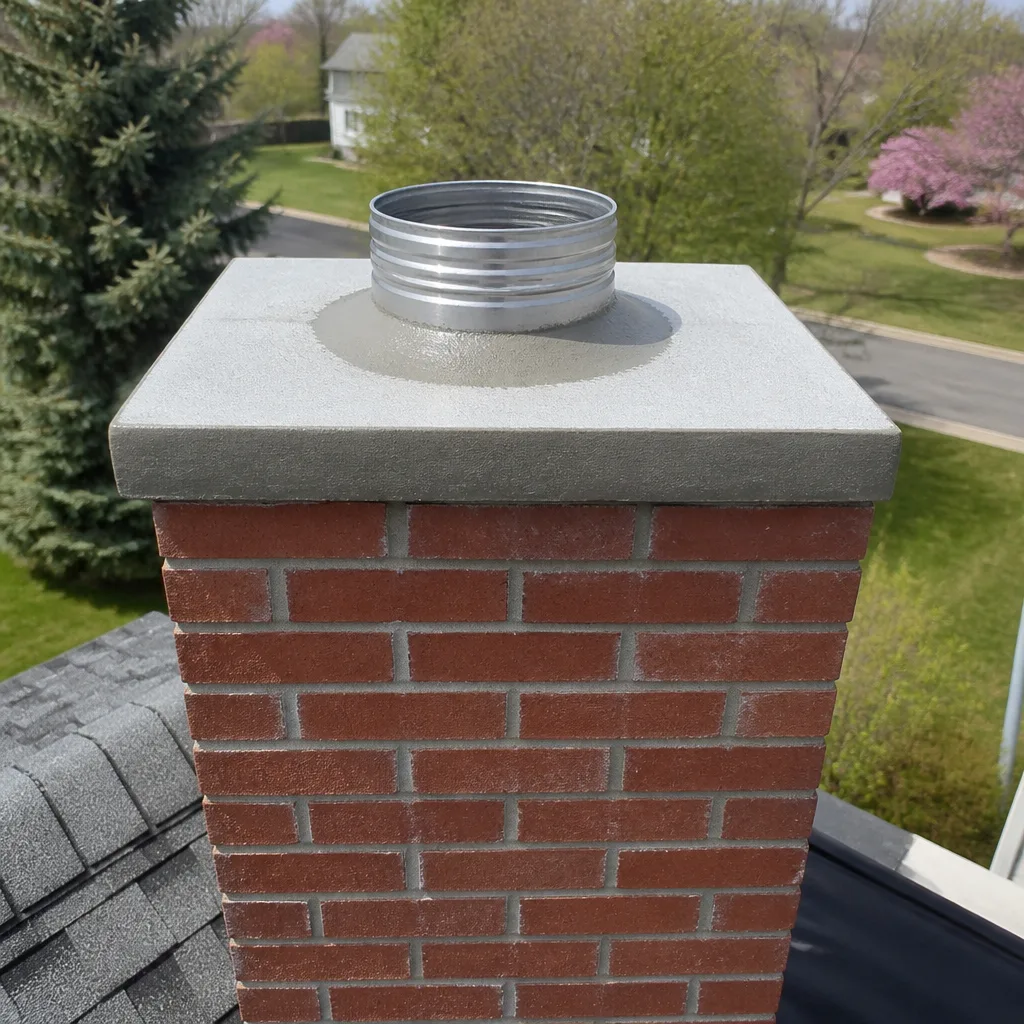 Flue relining
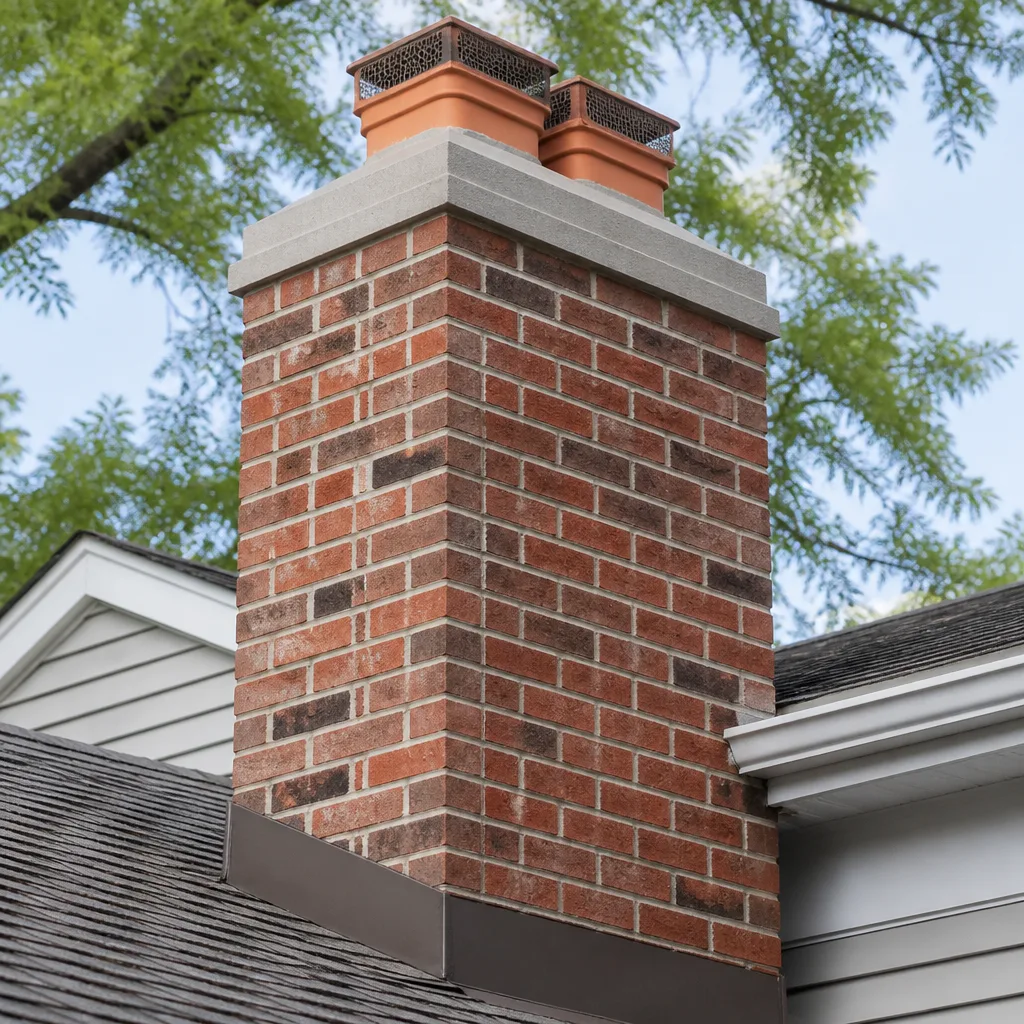 Masonry repair
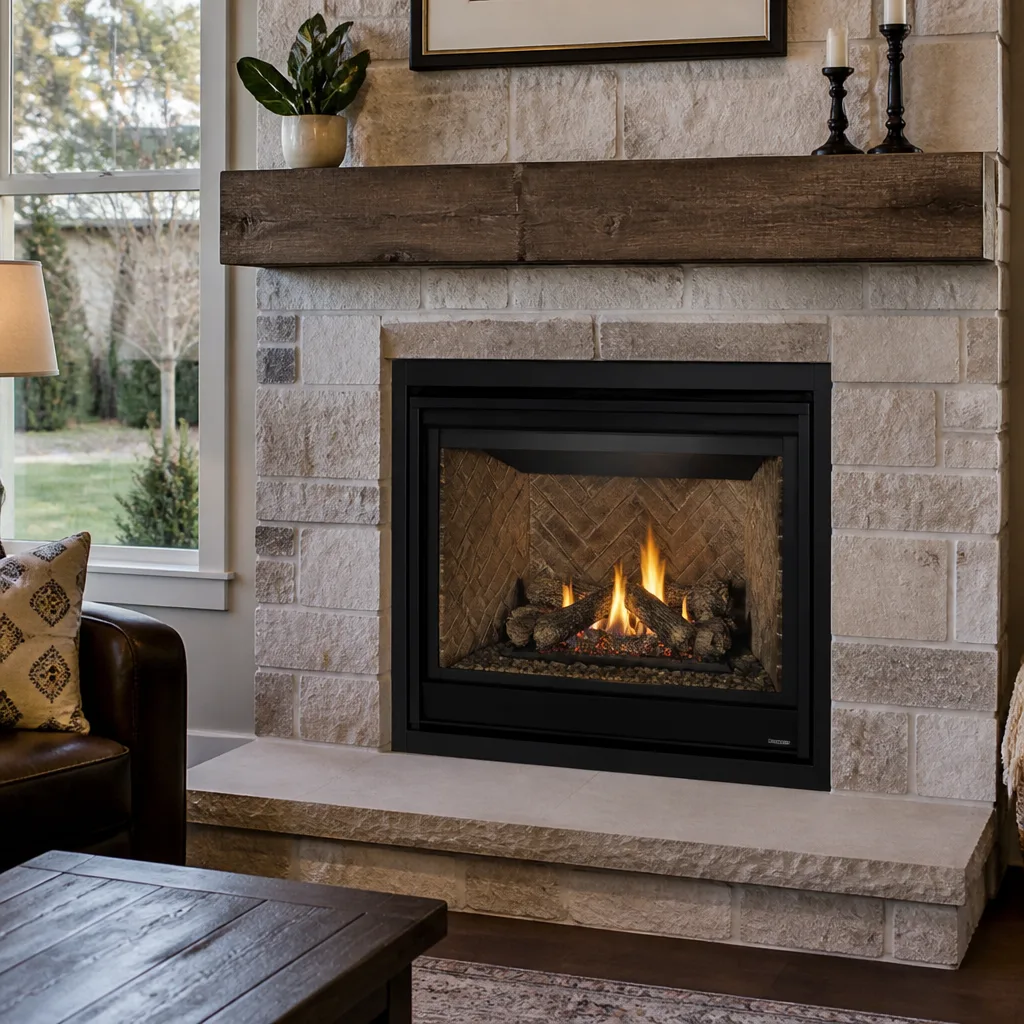 Gas fireplace service
Level 1 sweep and inspection to the NFPA 211 annual standard - flue, crown, cap, and flashing checked and photographed
Chimney sweep logs do not sweep chimneys. They loosen some creosote - which then falls where a brush and vacuum still have to collect it.
Chimney Cleaning Emergency Preparedness Guide for Sunset Park Homes
Most chimney fire advice assumes a house with space around it and a back door you can run out of. In Sunset Park, that advice falls short. Your rowhouse shares a party wall, often a flue, and sometimes a roof line with the family next door, so a fire in your chimney is never only your emergency. The decisions you make in the first thirty seconds matter, and they’re easier to make if you’ve thought them through before anything happens. This guide covers how to recognize a chimney fire, exactly what to do step by step, what comes after, how carbon monoxide fits in, and how to prepare your home in Sunset Park before the heating season starts.
Quick Answer
If you suspect a chimney fire: close the damper, get everyone out of the building, call 911, and tell the responding crew the chimney is masonry and attached to neighboring units. Don’t put water on it, don’t wait to see if it goes out on its own, and don’t relight until a Level 2 inspection confirms the flue is sound.
Styles & brands we work with
- Sweep & inspection
- Caps & crowns
- Flue relining
- Masonry repair
- Gas fireplace service
Table of Contents
- How do you know a chimney fire is happening?
- What should you do in the first thirty seconds?
- What happens after a chimney fire?
- Carbon monoxide and your chimney in Sunset Park
- How to prepare before the heating season
- What your neighbors in a row house need to know
- Common mistakes to avoid
- When to call a professional
How Do You Know a Chimney Fire Is Happening?
Some chimney fires announce themselves. Others burn quietly for hours and leave nothing but a cracked flue tile behind. Both kinds happen in Sunset Park’s older rowhouses, and the quiet ones are the reason a spring inspection often turns up damage nobody remembers hearing.
A loud chimney fire typically shows several of these at once:
- A roaring or rumbling sound, like a freight train or a low-flying plane, coming from the chimney
- Popping and cracking from inside the flue, sometimes loud enough to be mistaken for something in the firebox
- Sparks or flames visible at the top of the chimney above the cap
- Dense, dark smoke pouring from the chimney for more than a few minutes
- Unusually intense heat at the firebox, the stovepipe, or the chimney breast in the room
- A smell of hot metal or burning creosote inside the house
A slow-burning chimney fire may show none of this. Creosote ignites in a small pocket, burns itself out, and the fire never draws enough air to roar. The only signs afterward are warped damper parts, cracked flue tiles, discolored caps, or puffy, honeycombed creosote that has clearly been through heat. In attached masonry chimneys, that quiet damage is the part that worries us most, because the flue is the barrier between your fire and your neighbor’s framing.
If you see or hear any of the loud signs, treat it as real. There’s no useful way to confirm a chimney fire from the living room, and the cost of a false alarm is a fire crew finding nothing. The cost of ignoring a real one is much higher.
What Should You Do in the First Thirty Seconds?
When a chimney fire starts, you have roughly half a minute to make the right decisions, and most people freeze because they’ve never pictured what “close the damper and get out” actually looks like in a third-floor Brooklyn apartment with one stairwell. Here’s the sequence, in order.
- Close the damper and the glass doors. Cutting off air slows the fire. Do this only if you can reach the damper safely without standing in smoke.
- Don’t add water. A garden hose or bucket thrown into a hot flue can crack masonry and send steam and soot back into the room. Leave suppression to a chimney fire suppressant stick if you have one ready, or to the fire department.
- Get everyone out of the building. Not to the hallway. Out the front door, down the stoop, across the street. In a row house, smoke travels through shared voids and cocklofts faster than most people expect.
- Call 911. Tell them the address, that the chimney is on fire, and that the building is attached to neighboring units.
- Tell the responding crew what they’re dealing with. When they arrive, say plainly: it’s a masonry chimney, in an attached row house, and the flue serves a fireplace or a heating appliance. That changes how they approach the roof and the party wall.
- Don’t re-enter for belongings. Wait for the all-clear from the incident commander.
In Sunset Park, Ladder 148 and Engine 240 cover much of the neighborhood, and they know these buildings. Still, tell them what you know. Crews appreciate hearing which flue is involved and whether there’s a wood stove or gas appliance on the same system. If you’ve never met your local company, a station visit during the heating season is worth the ten minutes; you’ll recognize the rig when it matters.
One more thing: if there’s any question about whether the fire has spread into the walls or the cockloft, leave the assessment to the fire department. Chimney fires that extend into framing rarely look dramatic from inside the apartment.
What Happens After a Chimney Fire?
When the trucks leave, the real work begins, and the biggest mistake we see is relighting too soon. A chimney that has been through a fire can look fine from the firebox and still have cracked tiles, a warped damper, or compromised mortar behind the visible surface. Heat fractures happen on the inside of the flue, where you can’t see them.
Here’s what the post-fire process should look like:
- Book a Level 2 inspection before any relighting. A Level 2 inspection includes a video scan of the flue, which is the only reliable way to see fire damage inside the chimney. Without it, you’re guessing.
- Keep the FDNY report. The incident report documents that a fire occurred, the date, and the responding units. Your insurer will ask for it.
- Photograph everything before cleanup. Soot staining, cracked tiles visible at the damper, damaged caps, smoke damage in the room. Photos taken before a sweep are worth more to an adjuster than photos taken after.
- Ask the inspection company for a written report with photos of the flue interior. Request the video footage or stills of any damaged section. Any company that can’t produce them shouldn’t be doing the inspection.
- Get the repair scope in writing before work starts. Liner damage after a chimney fire is common, and the fix is a liner, not a cleaning. You should know which one you’re buying before anyone climbs the roof.
Our approach is to diagnose before we quote. That means camera evidence you can see, a written scope, and no surprise add-ons once someone is on the roof. If the flue only needs cleaning and a crown repair, we say so. If the liner is compromised, you’ll see the footage that shows why.
Carbon Monoxide and Your Chimney in Sunset Park
Carbon monoxide is the quieter half of chimney emergencies, and a blocked or damaged flue during a cold snap is the highest-risk scenario we know of. When the weather drops into the teens and twenties, furnaces and water heaters run hard, and a flue that was marginal in October can stop drafting altogether. In a rowhouse, that flue often shares a chimney stack with your neighbor’s appliance, so a problem next door can back up into your unit.
What to check and where to place detectors:
- Put a CO alarm on every level of the home and outside each sleeping area, following the manufacturer’s placement instructions.
- Place one near the appliance room, not inside it. A detector mounted right beside a boiler can nuisance-alarm; one in the adjacent hallway catches a real problem without the false trips.
- Know that a CO alarm near the fireplace is not the same as one near the furnace. They vent through different flues, and each needs coverage.
- Test alarms monthly, and replace them on the schedule the manufacturer prints on the unit.
Recognize the symptoms: headache, dizziness, nausea, fatigue, confusion, and shortness of breath, often worse indoors and better outside. If multiple people in the home feel the same way at the same time, get everyone outside and call 911, then call your gas utility. Don’t open windows and go back to sleep; that’s how people miss the signal.
Visual clues of a venting problem include soot streaks at the appliance draft hood, a lazy or spilling flame, condensation on cold windows near the appliance, and a smell of exhaust indoors. Any of these warrants an inspection before the next cold snap. A chimney repair visit is the right first step when you suspect the flue itself is compromised.
How to Prepare Before the Heating Season
Emergency preparedness for a chimney is mostly done in advance, on a mild afternoon, not on the night something goes wrong. Here’s what we recommend for Sunset Park homeowners who burn wood or rely on a chimney-vented appliance.
- Book an annual sweep and inspection before the first cold week. Late summer and early fall are the calm months. A chimney sweep removes the creosote that fuels chimney fires and gives you a look at the flue before it’s tested.
- Keep a chimney fire suppressant stick on hand. A Chimfex-style stick is designed to be thrown into the firebox to cut oxygen to a chimney fire. Read the instructions when you buy it, not during a fire.
- Check that your cap is intact. A missing or damaged cap lets rain, birds, and debris into the flue. It’s also the cheapest protection your chimney has. Our chimney cap & crown work covers both the cap and the crown that sheds water from the top of the stack.
- Confirm your damper operates freely. In an emergency you need it to close. If it’s stuck or rusted, that’s a repair, not an inconvenience.
- Know your local fire company. Ladder 148 and Engine 240 serve Sunset Park. Knowing which station covers your block makes the call easier and the conversation faster.
- Walk your exits. In a third-floor walk-up, count the stairs and know your route in smoke. Practice it once with everyone in the household.
A clean flue is the starting point. A safe, structurally sound chimney is the goal. When we sweep, we’re also looking at the crown, the cap, the flashing, and the flue liner, because the emergency you prevent is cheaper than the one you respond to. Our technicians have up to 11 years of experience, and the materials we install come from professional lines: DuraFlex for flexible liner systems, HeatShield for flue resurfacing, Gelco and Olympia Chimney for caps and components, Famco and Copperfield for the rest of the system.
What Your Neighbors in a Row House Need to Know
A chimney fire in a Sunset Park rowhouse is a shared event. The party wall runs from the cellar to the roof, and masonry chimneys are often built into that shared structure. Heat travels through brick and mortar, and a fire severe enough to crack your flue can affect the flue serving the unit next door.
What to tell your neighbors, ideally before anything happens:
- Which chimney stack serves your unit, and whether you share it
- That you burn wood, and roughly how often you have the flue swept
- That if they ever see sparks or heavy smoke from the roof, they should call 911 and knock
- That a slow-burning fire may leave no visible sign, so an annual inspection benefits both units
If a fire does happen, tell the responding crew and the building’s other occupants immediately. In attached buildings, the fire department often inspects the neighboring unit as a precaution. That’s normal, and it’s better than the alternative. It’s also a good reason for both sides of the wall to keep recent inspection reports on file. When one unit’s chimney is repaired, the other unit’s owner may want a look at their own flue, and two inspections done together cost less than two emergencies handled separately.
If you’re buying or selling in Sunset Park, an inspection report is also part of the transaction paperwork. Our inspection service supports both routine maintenance and real-estate requirements, so the same visit can serve both purposes.
Common Mistakes to Avoid
- Waiting to see if the fire goes out on its own. Chimney fires can smolder in creosote pockets for hours. By the time you decide to call, heat may already have cracked tiles inside the flue. Call 911 first and sort out the details afterward.
- Throwing water down the chimney. A bucket of water into a flue at chimney-fire temperatures can spall masonry and send a steam cloud into the room. Use a suppressant stick or wait for the fire department.
- Relighting without a Level 2 inspection. The flue can look intact from the firebox while the inside is compromised. Video inspection isn’t optional after a fire; it’s the whole point.
- Assuming the fire only affected your unit. In a Sunset Park row house, the party wall matters. Ask the fire department whether the neighboring flue should be checked, and tell your neighbor what happened.
- Skipping the annual sweep because “we only burn occasionally.” Creosote builds from every fire, and slow buildup is exactly what a periodic sweep catches. Occasional burning still needs a yearly look.
- Buying a cap from a hardware store and calling it done. A cap that doesn’t fit the flue properly can restrict draft or blow off in a storm. The cap and crown are a system, and both protect the chimney from water and animals.
- Ignoring the chimney-vented appliances. Your boiler and water heater vent through the same chase as the fireplace in many of these buildings. A CO problem in one appliance affects the whole unit, so inspect every flue, not just the one you burn in.
When to Call a Professional
Call a professional after any chimney fire, even one you think was small, and before relighting. Call if you notice cracked or missing flue tiles, a damper that won’t close, soot streaks at the appliance, or a CO alarm that has gone off. Call if it’s been more than a year since your last sweep, if you’ve moved into a Sunset Park home with an unknown chimney history, or if you’re buying or selling and need an inspection report. Call if the cap is missing or the crown is crumbling, because water damage compounds every season.
Chimney Sweep Sunset Park offers free estimates in Sunset Park. Call (866) 937-8201. We answer 24/7. Fast dispatch from 7am to 7pm, Sunday through Friday. A call outside dispatch hours is booked into the next opening, Sunday through Friday, 7am to 7pm.
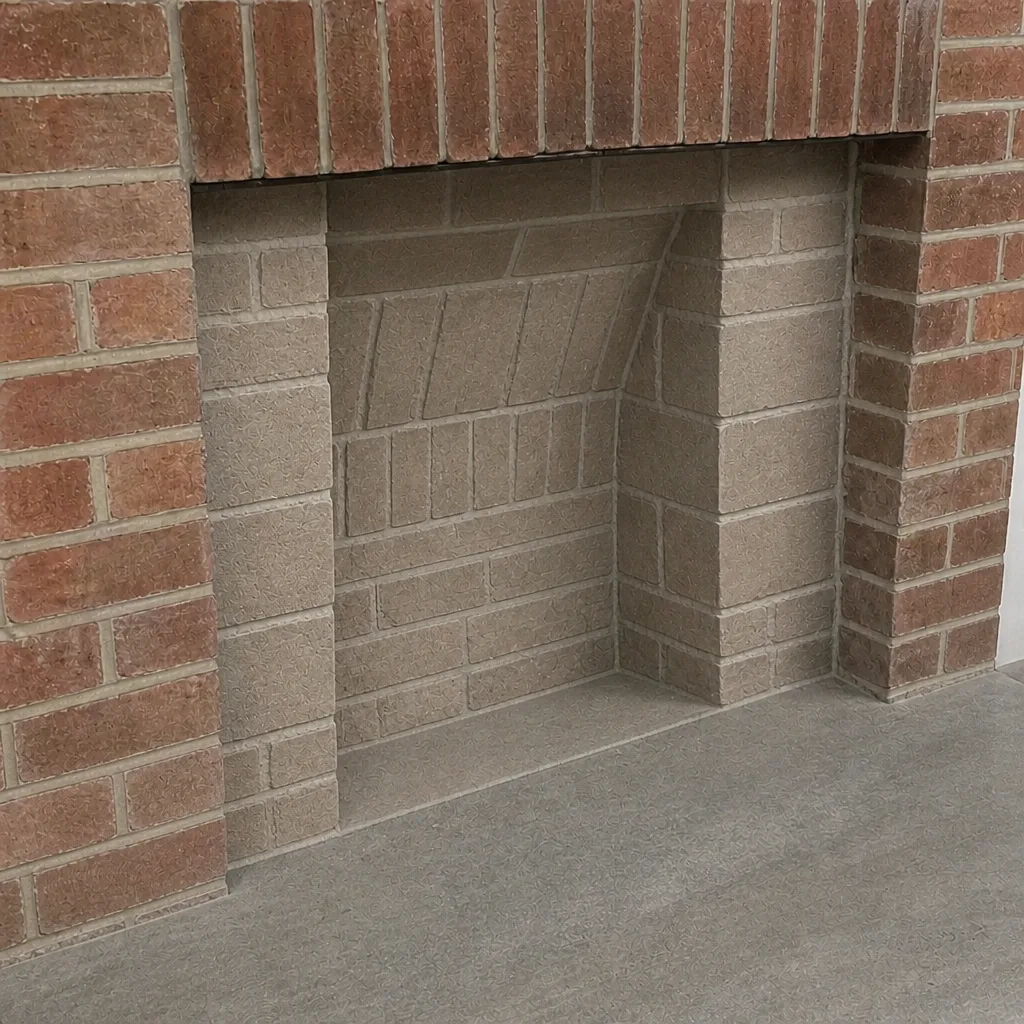
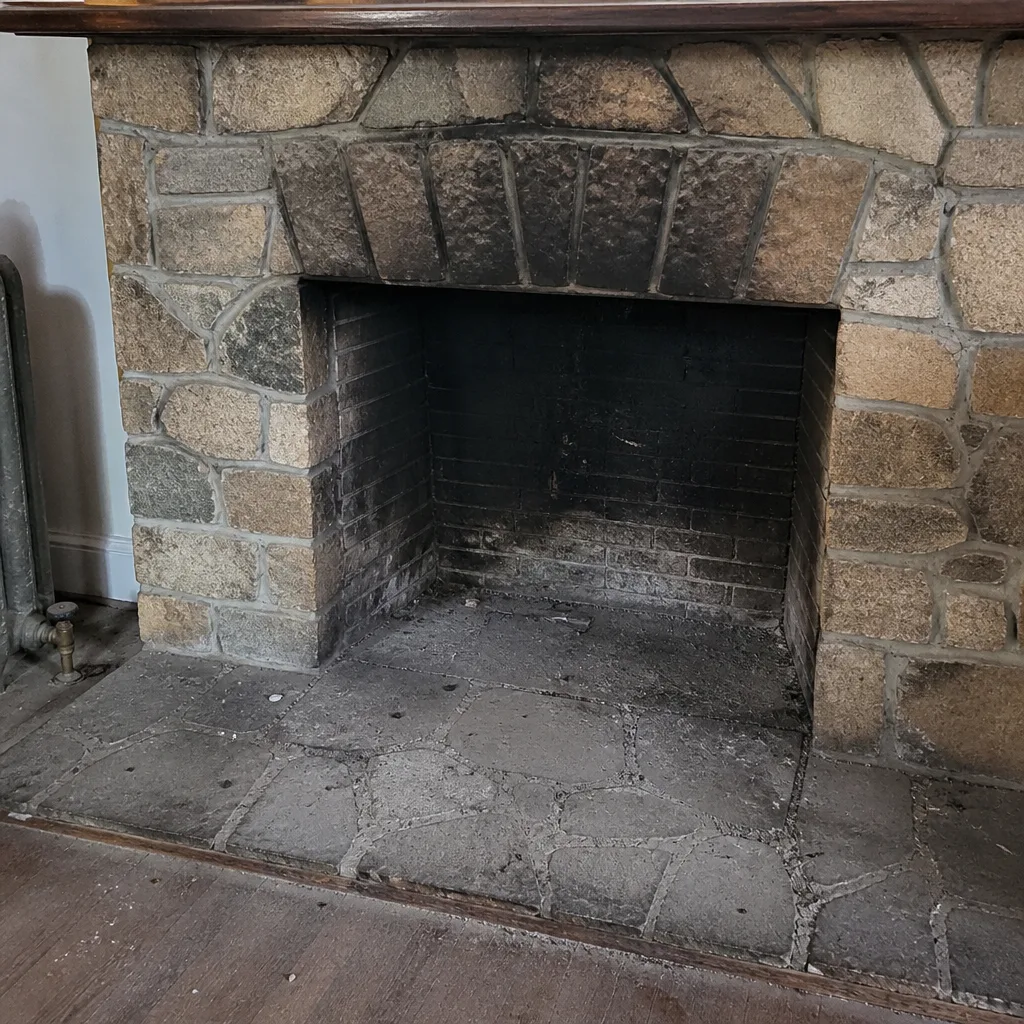
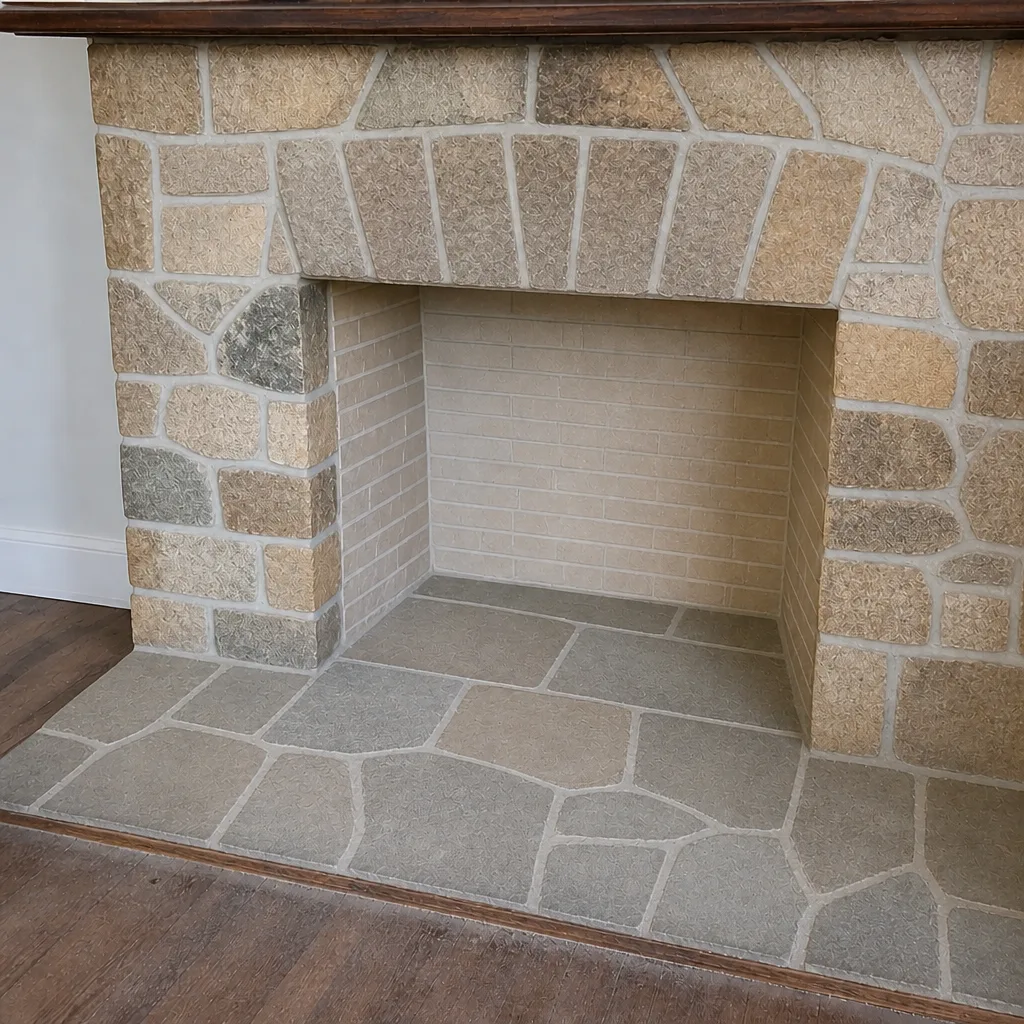
See the difference
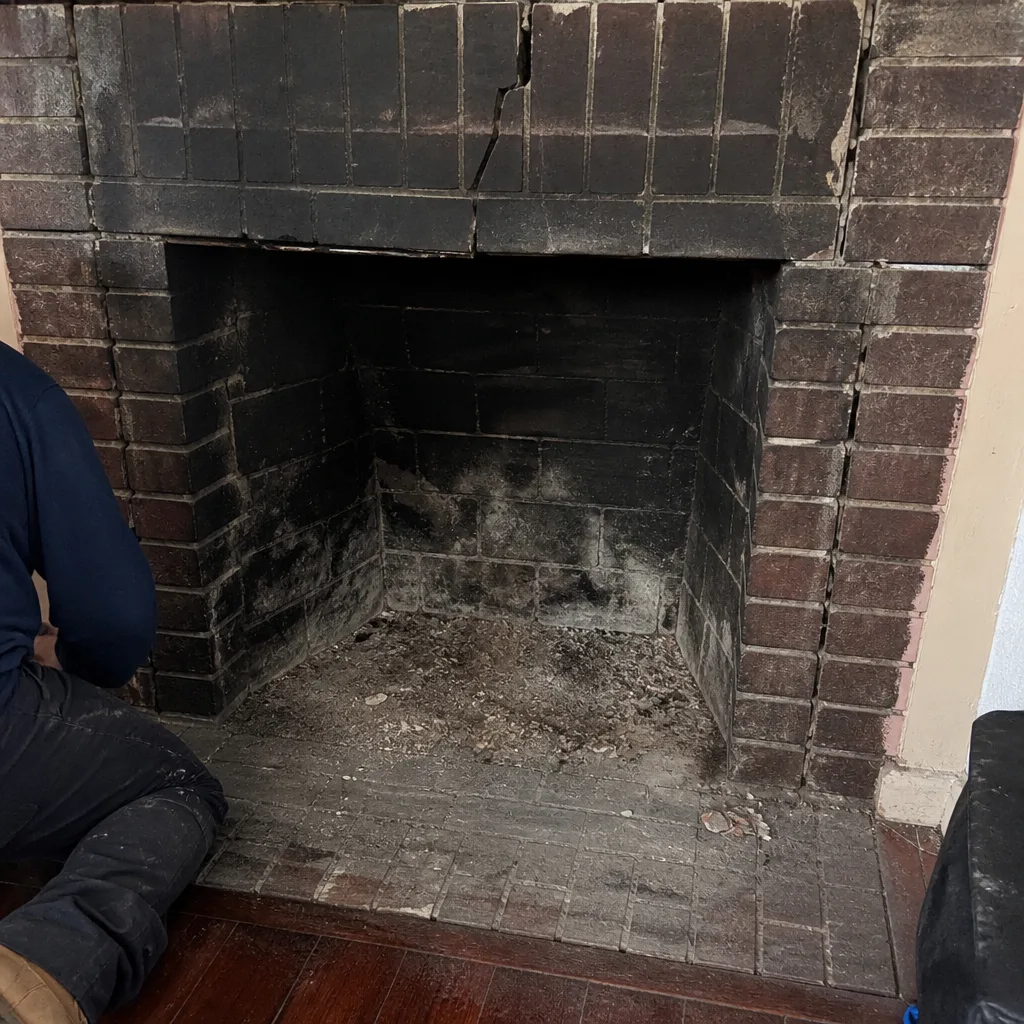 Before
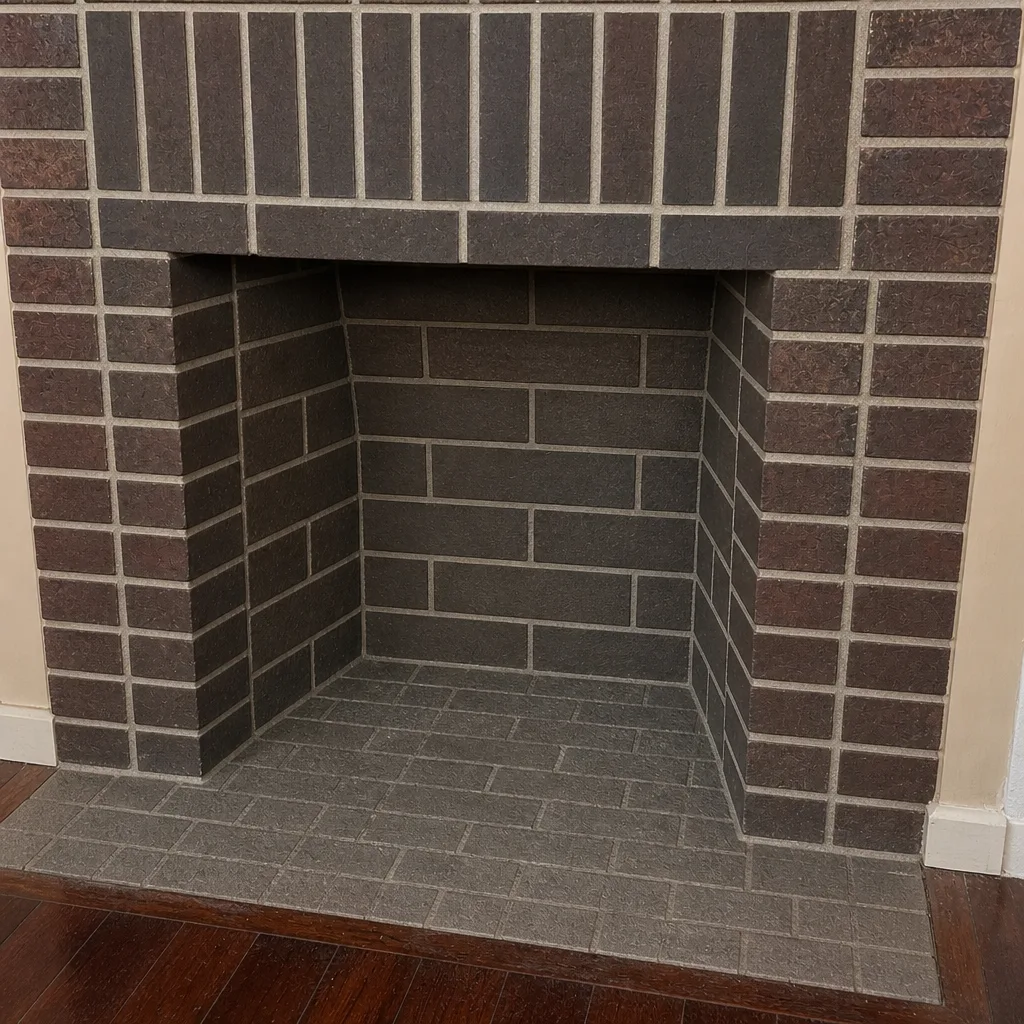 After
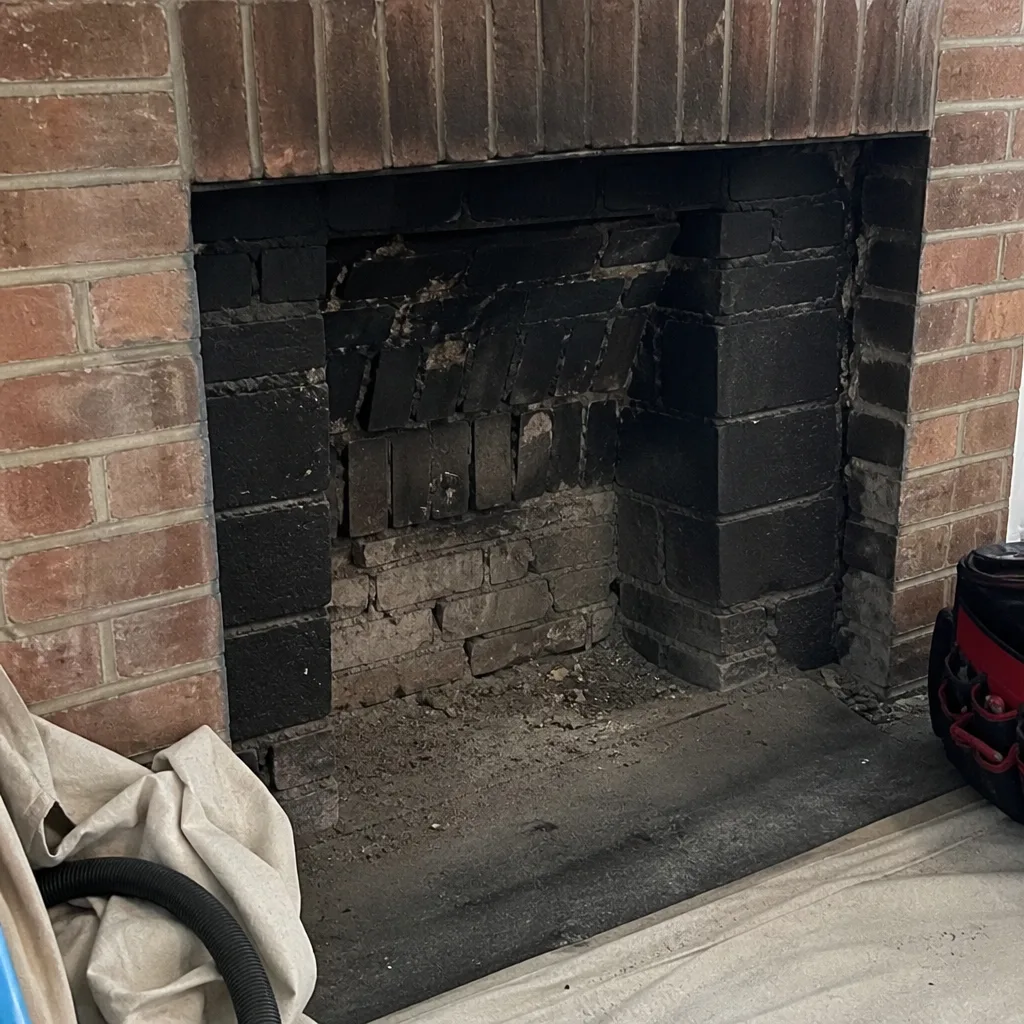 Before
 After
 Before
 After
Frequently Asked Questions
A standard sweep is priced per job based on the flue, the appliance, and how much creosote has built up, and the written estimate sets the final number before anyone books the work. Fireplace flues and appliance flues are quoted separately because they’re different jobs. Call (866) 937-8201 for an exact quote; estimates are free.
Only if the inspection shows the existing liner is cracked, warped, or otherwise compromised, and you should see the camera footage that proves it before agreeing to the work. Some fires leave the liner intact and need only a sweep and a crown repair. Others damage enough tile that relining is the only safe option. We diagnose before we quote, and the footage is yours to review. Call (866) 937-8201 to book an inspection.
Once a year for most wood-burning fireplaces, and once a year for chimney-vented appliances, with an inspection each time. If you burn frequently or burn unseasoned wood, the flue may need attention sooner. Annual is the baseline, not a maximum. Call (866) 937-8201 to schedule a sweep.
Creosote accumulates, and creosote is what fuels a chimney fire. A blocked or damaged flue also raises carbon monoxide risk, especially during a cold snap when appliances run hard. The risk grows quietly, which is why the annual look matters more than the annual cleaning. Call (866) 937-8201 for a free estimate.
It can, because masonry chimneys often sit in or against the shared party wall, and heat travels through brick and mortar. That’s why the fire department may inspect the adjacent unit and why we recommend telling your neighbor and having both flues checked after a fire. Call (866) 937-8201 if you need an inspection on your side of the wall.
No. Some burn slowly with no roar, no sparks, and no visible smoke, leaving only cracked tiles or warped metal behind. The only reliable way to know whether your flue has been through one is a Level 2 inspection with a camera. Call (866) 937-8201 to book one.
A chimney fire suppressant stick, a working flashlight, a phone charged and ready, and a clear exit plan for everyone in the household. Know which fire company covers your block, and know whether your chimney is masonry and attached to a neighboring unit so you can tell the responding crew. Call (866) 937-8201 if you’d like a pre-season inspection to go with that plan.
The Bottom Line
A chimney emergency in Sunset Park is a shared risk, because these buildings share walls and sometimes flues. Prepare before the heating season with an annual sweep, an inspection, a working cap and crown, and a suppressant stick in the closet. During a fire, close the damper, get out, call 911, and tell the crew it’s a masonry chimney in an attached building. Afterward, get a Level 2 inspection with camera evidence before you relight, and keep the FDNY report for your insurer. The rest is maintenance, and maintenance is what keeps the emergency from happening in the first place. Our technicians have up to 11 years of experience, and everything we find, we fix with the same team.
Call (866) 937-8201 for a free estimate. We answer 24/7. Fast dispatch from 7am to 7pm, Sunday through Friday.
Written by the team at Chimney Sweep Sunset Park.