
Last updated November 22, 2026
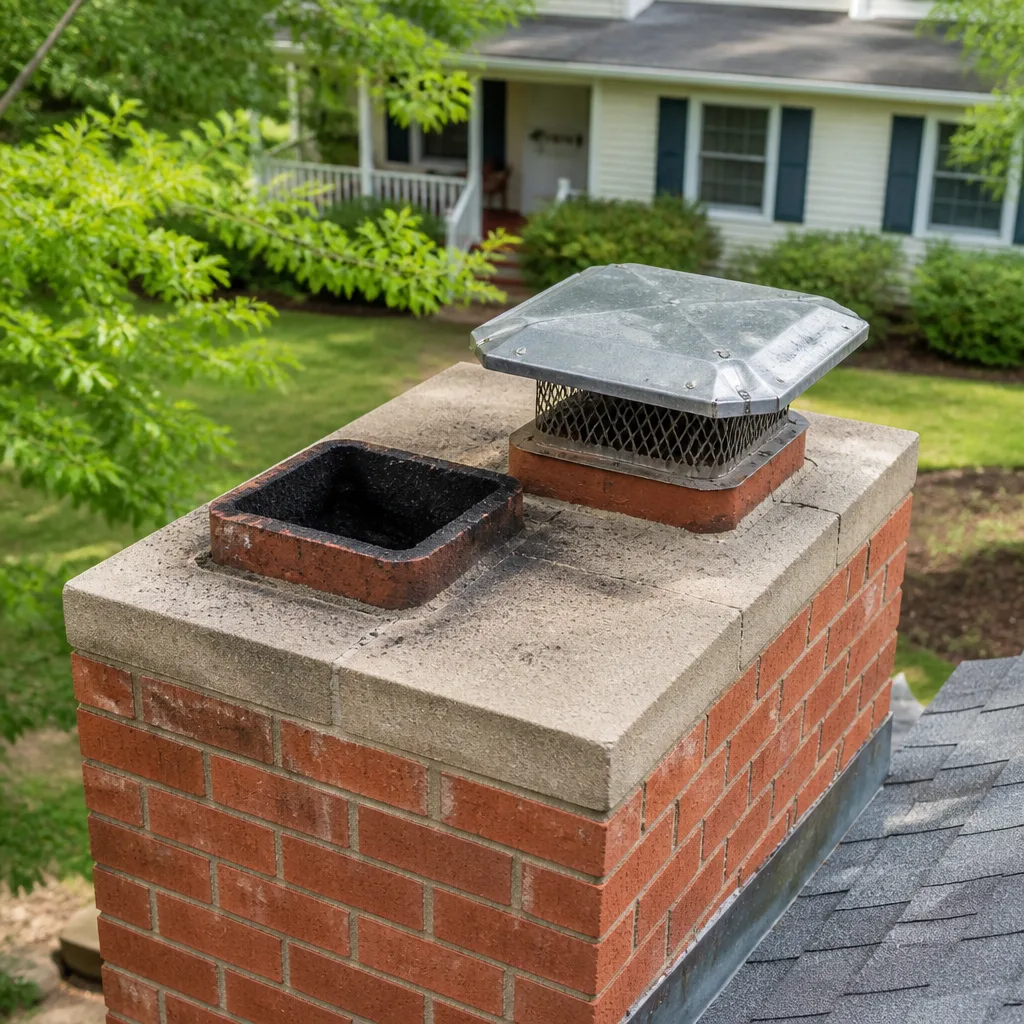 Sweep & inspection
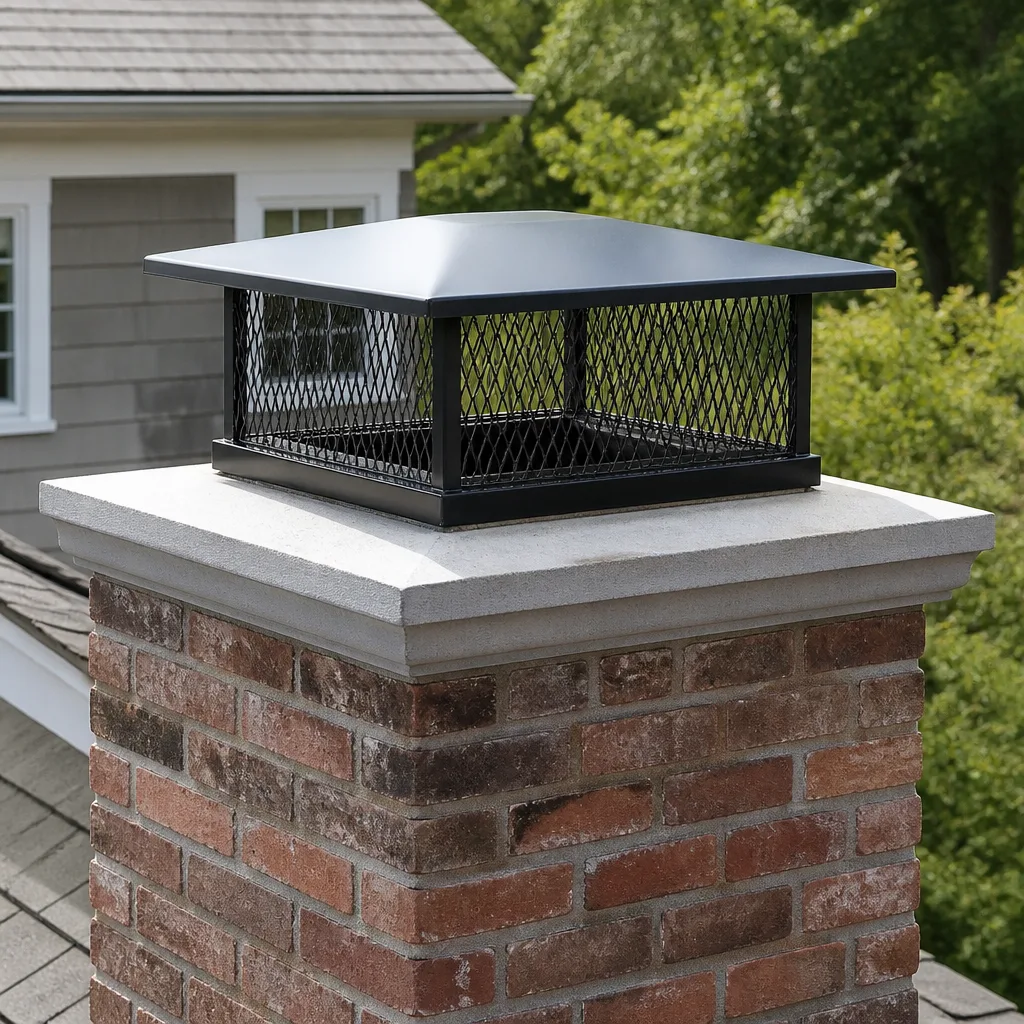 Caps & crowns
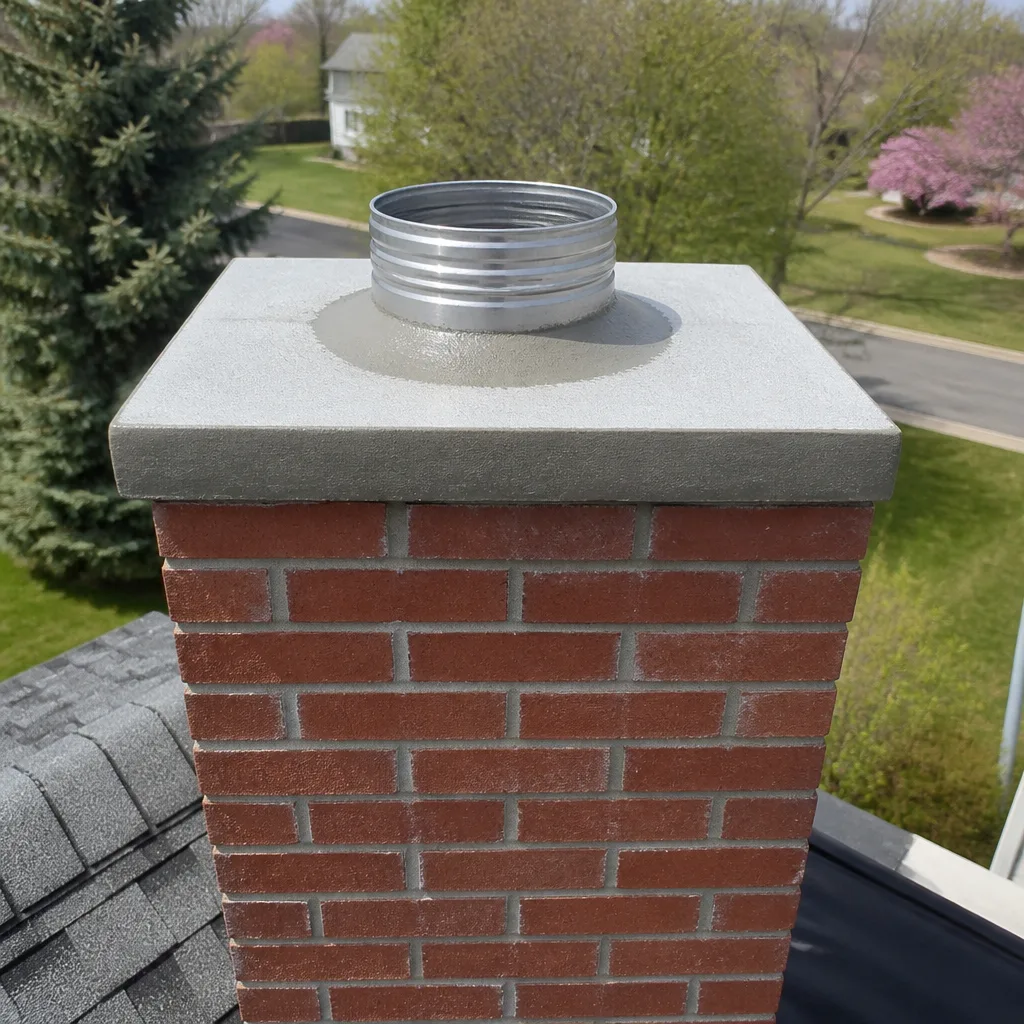 Flue relining
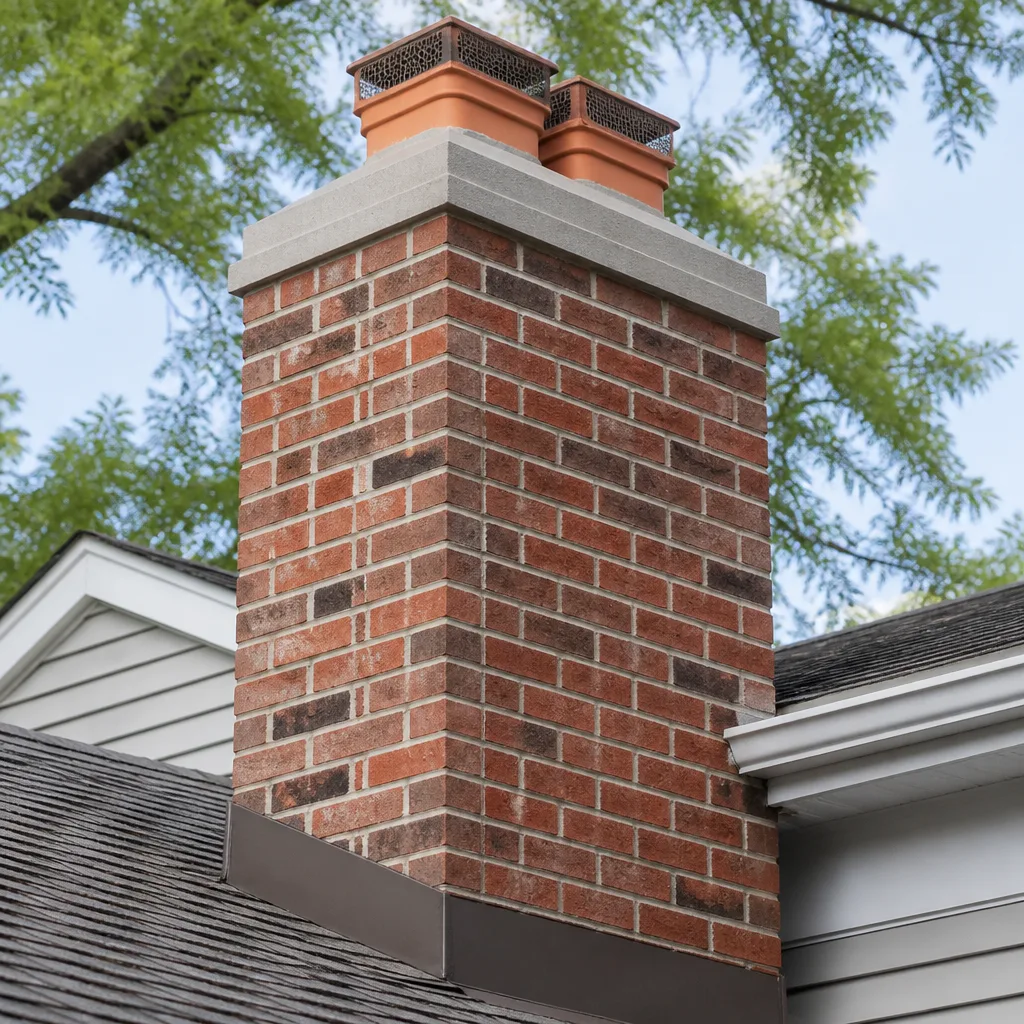 Masonry repair
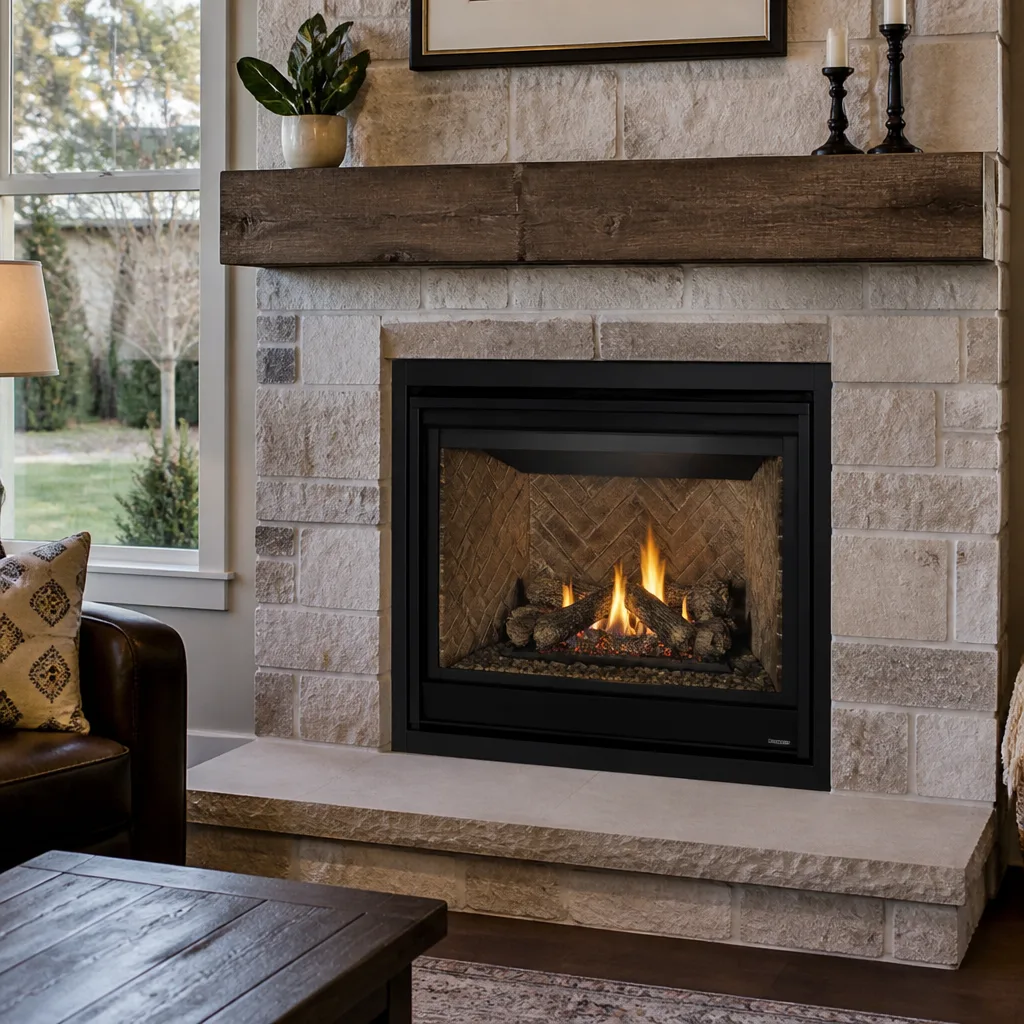 Gas fireplace service
Level 1 sweep and inspection to the NFPA 211 annual standard - flue, crown, cap, and flashing checked and photographed
Chimney sweep logs do not sweep chimneys. They loosen some creosote - which then falls where a brush and vacuum still have to collect it.
DIY vs Professional Chimney Cleaning: The Sunset Park Homeowner’s Decision Guide
A chimney brush kit from the hardware store will remove loose soot. What it won’t tell you is whether the tile behind that soot has a hairline crack running four feet up the flue. That distinction matters more than most homeowners realize, because the information a cleaning produces is worth more than the cleaning itself. In Sunset Park, where rowhouses and older masonry chimneys are the norm, we’ve watched plenty of handy homeowners do a respectable job on the soot and miss the cracked crown or the failing flue joint that actually made the fireplace risky to use. This guide lays out exactly which parts of chimney care you can handle yourself and which ones put your home, your insurance coverage, and your safety on the line.
Quick Answer
DIY chimney cleaning can work for light soot removal in a well-maintained flue you can safely and fully access, but it cannot assess creosote glaze, flue liner condition, or draft problems. A professional sweep is the safer choice for any chimney that hasn’t been serviced recently, shows moisture or draft symptoms, or sits above a roofline you can’t reach safely. In Sunset Park, most homeowners fall into the second category once they honestly assess roof access and what an inspection needs to see.
Styles & brands we work with
- Sweep & inspection
- Caps & crowns
- Flue relining
- Masonry repair
- Gas fireplace service
Table of Contents
- What DIY Cleaning Actually Accomplishes
- Tools Required: DIY vs Professional Equipment
- Roof Access in Sunset Park: Steep Pitches and Parapet Walls
- Legal and Insurance Implications of DIY Cleaning
- A Decision Framework: When to DIY vs Call a Pro
- Step-by-Step: What a Correct Sweep Looks Like
- Common Mistakes to Avoid
- When to Call a Professional
What DIY Cleaning Actually Accomplishes
A homeowner with a brush, a ladder, and patience can remove loose, flaky soot from the firebox and the lower run of the flue. That’s real work, and on a chimney that was swept recently and only sees light use, it may be enough to keep things reasonable for a season. Where DIY starts to break down is the moment you move past soot into creosote, and past the firebox into the flue liner itself.
Here’s the technical line. Creosote forms in three recognized stages: a light flaky deposit, a sticky tar glaze, and a hard glazed form that’s dense as a brick. A brush passes over the third stage and does not meaningfully remove it. Glazed creosote is also the stage most closely tied to chimney fires because it ignites at a relatively low flue temperature and burns hot. A hardware-store brush is not going to tell you which stage you’re looking at. An experienced technician can.
The second gap is location. You can inspect the firebox and the smoke chamber with a good mirror and a flashlight. You cannot see the full length of the flue interior, particularly around offsets and behind the smoke shelf, without a video camera. And the visible surface of a clay tile liner tells you almost nothing about condition on its own; you don’t see a crack that’s opened along the back of the tile unless you’ve got a camera running through it.
In Sunset Park, this matters more than in newer construction, because most of the housing stock is older masonry. Old flues have had decades of heating cycles, and a small crack that a broom would never reveal is exactly the kind of thing you want to find before the first cold night, not after.
Tools Required: DIY vs Professional Equipment
The tool gap between homeowner and professional isn’t a marketing point. It’s the difference between cleaning a chimney and assessing it. If you’re going to do a competent DIY sweep, you need more tools than most homeowners realize, and you need the right sizes for your specific flue.
What a Competent DIY Sweep Requires
- Sized brush heads matched to your actual flue dimensions. A standard square or round brush that’s the wrong size either skips the corners or wedges in the flue. Getting the size right means measuring the flue interior, not guessing from the outside.
- Rods long enough to reach the full flue run. Not the top of the flue. The full run, including the smoke chamber above the damper.
- Real drop cloths and poly sheeting, sealed at the fireplace opening, because everything that comes down the flue comes out into the room.
- Proper PPE. A fitted respirator rated for fine particulates, eye protection, and gloves. Soot is fine and it gets everywhere, including into your lungs.
- A hand mirror and a strong light for firebox and smoke chamber inspection.
What Professional Equipment Adds
- Video inspection cameras. A camera run down the flue is how you actually see liner condition, offset connections, and signs of moisture.
- Rotary cleaning systems that can remove glazed creosote rather than just polish it.
- Manometers and draft gauges to measure whether the chimney is actually pulling.
- Combustion and moisture readings that tell you whether the problem is the chimney itself or what’s being burned in it.
- Fall protection and roof-safe anchor systems matched to the pitch of the roof you’re working on.
The list on the left costs money. The list on the right is not viable for a homeowner at any reasonable price, which is a useful piece of reality. That asymmetry is the whole decision.
Roof Access in Sunset Park: Steep Pitches and Parapet Walls
Roof access is where the DIY conversation usually stops in Sunset Park. Much of the neighborhood’s housing is multi-story masonry rowhouses with steeply pitched roofs, parapet walls along the property line, party wall shared structures between adjacent buildings, and rear extensions that mean the actual chimney top is not directly above the fireplace you’re cleaning from.
Each of those features changes the risk profile of getting on the roof.
A steep pitch is not something to stand on without the right footwear, the right anchor, and the right experience. Parapet walls sit between you and the chimney stack, which means you’re working around a low barrier at the edge of a drop. Party wall configurations mean the chimney you own may be structurally tied to a neighbor’s, and there are sometimes shared dampers or flue runs that complicate a straightforward sweep. Rear extensions are the sneaky one: from inside the house, the fireplace feels close. From above, the run is longer and more complex than it looks, which is part of why interior cleaning fails when done without a good camera.
We’ve been on enough Sunset Park rooftops to say this plainly. If you’re not experienced with roof work on a steep, parapet-lined rowhouse, a professional sweep isn’t the shy version of a tough job. It’s the correct version. The alternative is a fall, and the chimney is not worth that.
Legal and Insurance Implications of DIY Cleaning
This is the part almost nobody covers, and it’s the part that can matter most when something goes wrong. Homeowner’s insurance policies typically distinguish between professional maintenance and self-performed maintenance, and the difference has teeth after a chimney fire or a smoke damage claim.
Most policies do not prohibit DIY chimney cleaning. But many insurers will ask, after a loss, for documentation of maintenance history. A dated professional sweep and inspection invoice is exactly that documentation. A note to yourself that you cleaned it last October is not. If the insurer’s adjuster asks whether the chimney was serviced and inspected by a qualified professional, “I did it myself” is a harder answer to work with than a paper trail.
The same logic applies to real estate transactions. A chimney inspection report is often part of a sale or refinance requirement. A DIY sweep doesn’t produce a report a buyer or lender will accept.
Second, sunsets and cycles. A masonry flue that’s been closed up, sealed, or unused for years can build up moisture and degrade from the inside. DIY cleaning doesn’t address that. A professional inspection that documents a safe return to service gives you something to point to. If you’re reopening an unused chimney, that documentation is worth doing before you light the first fire.
Regardless of who does the cleaning, the honest version of the insurer conversation is this: the strongest position you can be in after a chimney incident is a documented professional inspection, dated, with photos. Camera inspection and photo reports are part of what a professional sweep produces. That’s the file an adjuster can actually read.
A Decision Framework: When to DIY vs Call a Pro
The right question isn’t “am I handy enough.” It’s “can I safely and accurately assess what I’m cleaning.” Here’s a practical framework that answers that for the vast majority of Sunset Park homeowners.
Good Candidates for a DIY Sweep
- A chimney that was professionally swept and inspected within the last season, with only light soot in the firebox.
- A pellet stove or wood stove with a straight, short flue run that is accessible, and where the entire flue can be reached without going onto a pitched roof.
- A ground-level or easily accessed flue on a single-story section, where you’re not working around a parapet or a pitch.
- Routine between-sweep touch-ups for a homeowner who already has proper PPE, the right brush size, and a documented professional baseline to compare against.
Call a Professional
- Any chimney that hasn’t been serviced recently. You don’t have a baseline, so you have no way to know what’s normal.
- An oil-to-gas conversion. Gas appliances produce different moisture and byproducts than oil, and the venting requirements change too. A qualified professional needs to verify the flue is compatible before the appliance is used.
- Any chimney being reopened after years of disuse. You’re looking for moisture damage, animal nests, and structural condition that only a camera can show.
- Any moisture or draft symptom. Water staining, a smoky fire, a weak draft, or a smell when the fireplace is closed up all point to conditions that a cleaning sweep alone won’t solve.
- An appliance with a damaged or unverified liner. A liner in question is a professional call, full stop.
If you’re on the fence, a professional sweep with inspection is the answer. Finding out what you’re dealing with is easier and safer than guessing. When work is needed and the estimate says it’s safe to wait until after the heating season, that’s a real answer too, and we’ll say so.
Step-by-Step: What a Correct Sweep Looks Like
Understanding what a proper sweep actually involves is one of the best ways to know whether a DIY attempt will cover it. Here’s the process, start to finish, as it should run.
- Firebox and appliance protection. The fireplace opening gets sealed with poly sheeting before any cleaning starts. Everything that comes down comes down into a controlled area.
- Access the roof and set fall protection if the cleaning is going to happen from above. On a Sunset Park rowhouse, that’s a real step, not a formality.
- Top-down brush the flue with the correctly sized brush and rods, moving through the full length of the run into the firebox.
- Clean the smoke chamber and damper. This is often where homeowners think the job stops too early. The smoke chamber above the damper is a creosote trap.
- Vacuum with a HEPA system to pull soot out of the firebox and the immediate room.
- Run a video inspection of the flue to check liner condition from top to bottom, including the offsets.
- Inspect the cap and crown for cracks, loose mortar, and animal or debris intrusion. A crown problem is the leading source of the moisture damage that ultimately fails a liner.
- Document findings with photos and write up what you saw. This becomes the record used for the estimate, and the record you keep in case of a claim.
The service relationship continues after the sweep. Chimney repair, cap and crown work, and liner resurfacing are done by the same team that did the inspection, not handed off to a subcontractor. That continuity matters because the person doing the repair has seen the conditions firsthand.
Common Mistakes to Avoid
- Assuming a hardware-store brush clears creosote. It removes soot and skips glazed creosote, which is the stage most connected to chimney fires. Skip the glazed layer and you’re not actually cleaning the chimney that matters. In Sunset Park, where flues see serious seasonal use, this is a bigger risk than it looks on a first sweep.
- Cleaning from the bottom without a camera. A bottom-up sweep can miss offsets and the back of the smoke chamber. Without video, you have no idea if you got it all.
- Getting on a parapet-lined rowhouse roof without fall protection. Steep pitch, parapet wall, party wall neighbors: those three together are a bad first roof. If that’s the setup, don’t test your balance on it.
- Using a chimney brush on a liner you haven’t inspected. If the liner is already degrading, a stiff brush can make a crack worse. Any brush on a liner in question is a call-a-professional moment.
- Skipping the crown inspection. A cracked crown lets water into the masonry, and water is the slow killer of Sunset Park chimneys. You can sweep the flue perfectly and still lose the chimney to a crown crack that was never looked at.
- Cleaning once and calling it done. A once-a-decade sweep doesn’t match how a wood-burning fireplace is actually used. A proper sweep happens on a cadence tied to actual use, not set-and-forget.
- No documentation. A homeowner who sweeps their own chimney has no maintenance record. If a chimney fire happens, that absence becomes a hard conversation with the insurance adjuster.
When to Call a Professional
Call a professional any time the chimney is unknown to you: a new home, a chimney that’s been idle, an older masonry flue being returned to service, or any appliance where the liner condition hasn’t been documented. Call if you see water staining in the firebox or on the chimney block, if the fire smokes or drafts poorly, if you smell creosote when the fireplace is closed up, or if the roofline is steep, parapet-lined, or shared. Call after any chimney fire, even a small one, before the fireplace is used again. When a chimney is glazed, cracked, or unverified, professional cleaning and inspection are the point of the visit; our technicians have up to 11 years of experience reading exactly those conditions. Chimney Sweep Sunset Park offers free estimates in Sunset Park. Call (866) 937-8201. We answer 24/7. Fast dispatch from 7am to 7pm, Sunday through Friday.
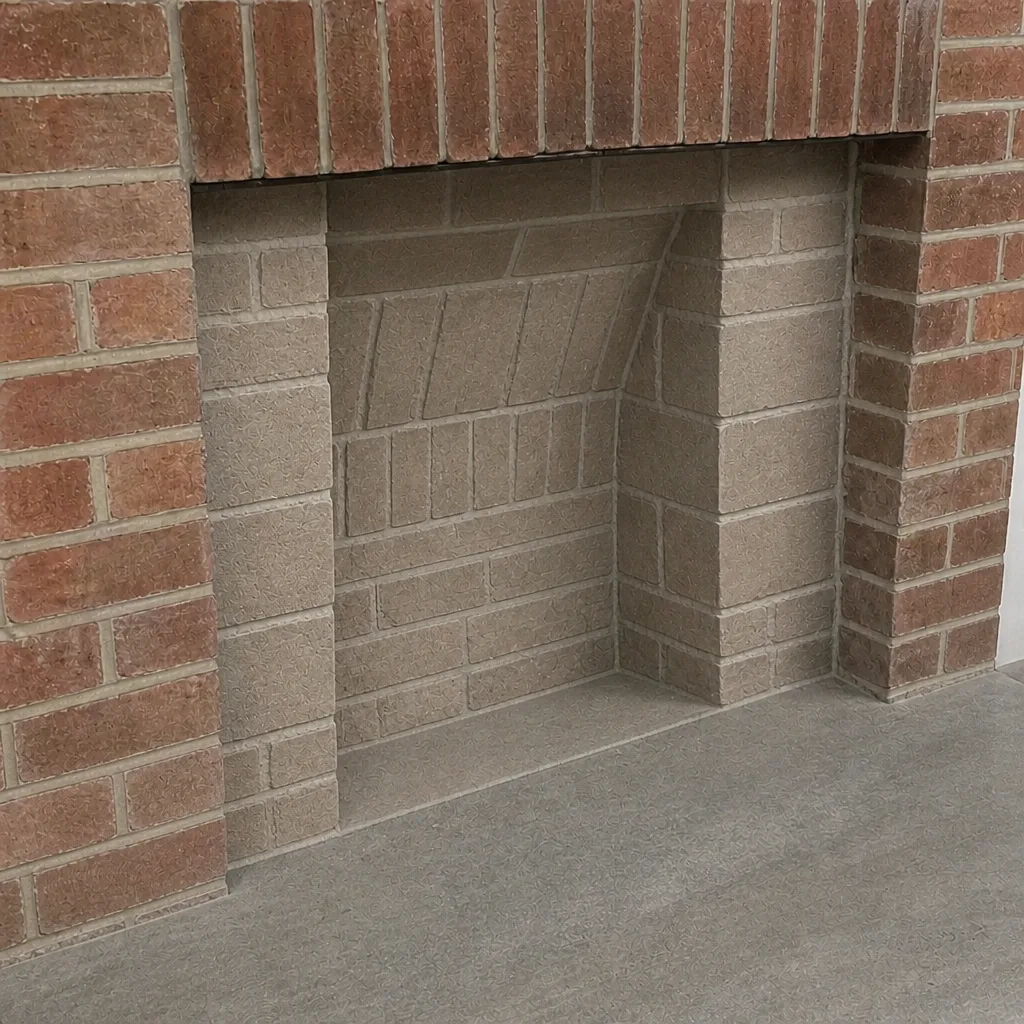
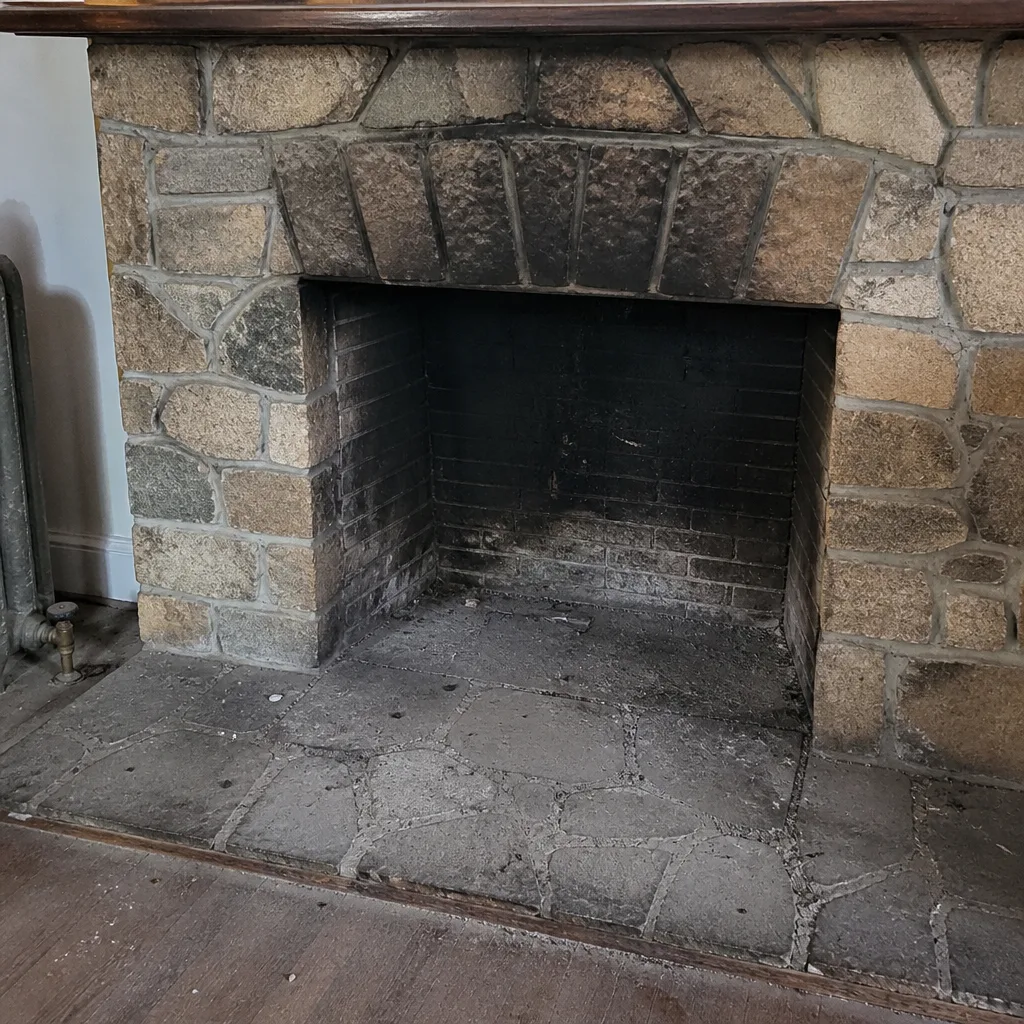
See the difference
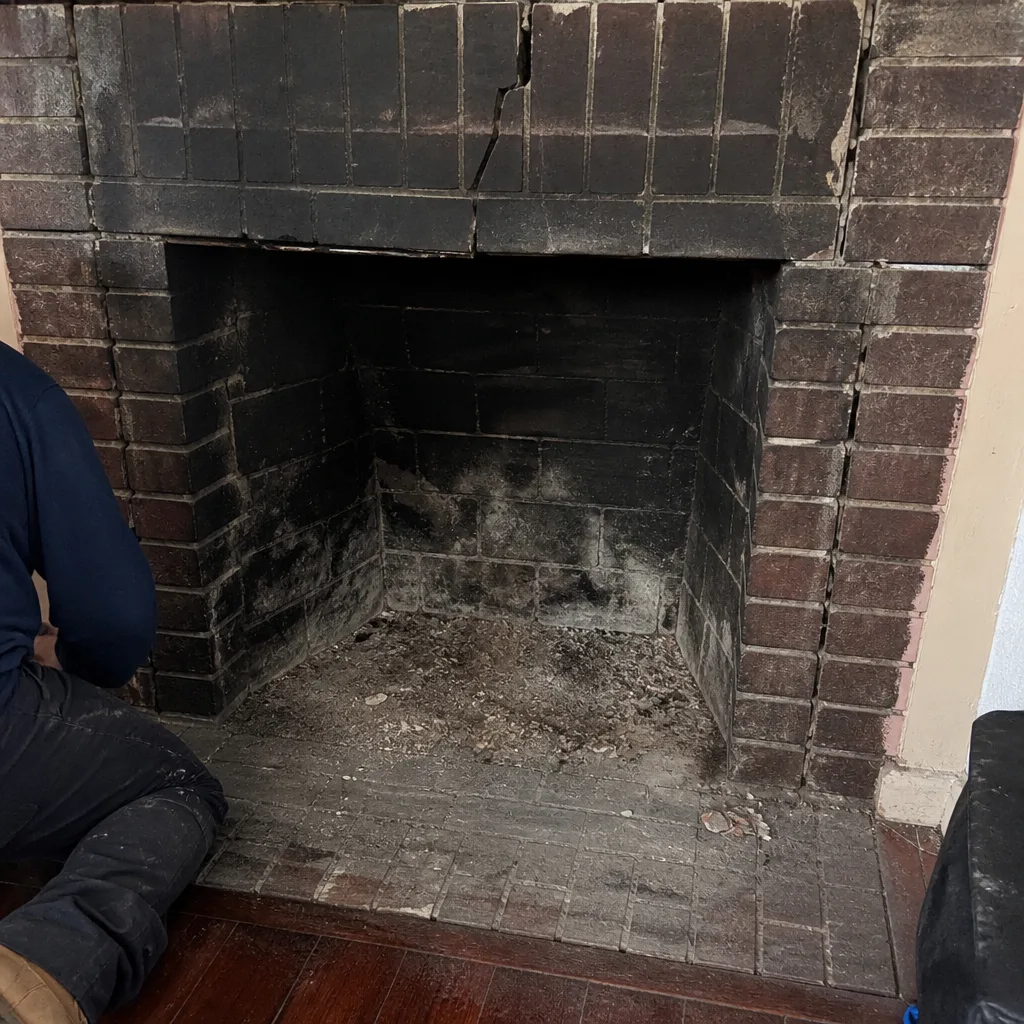 Before
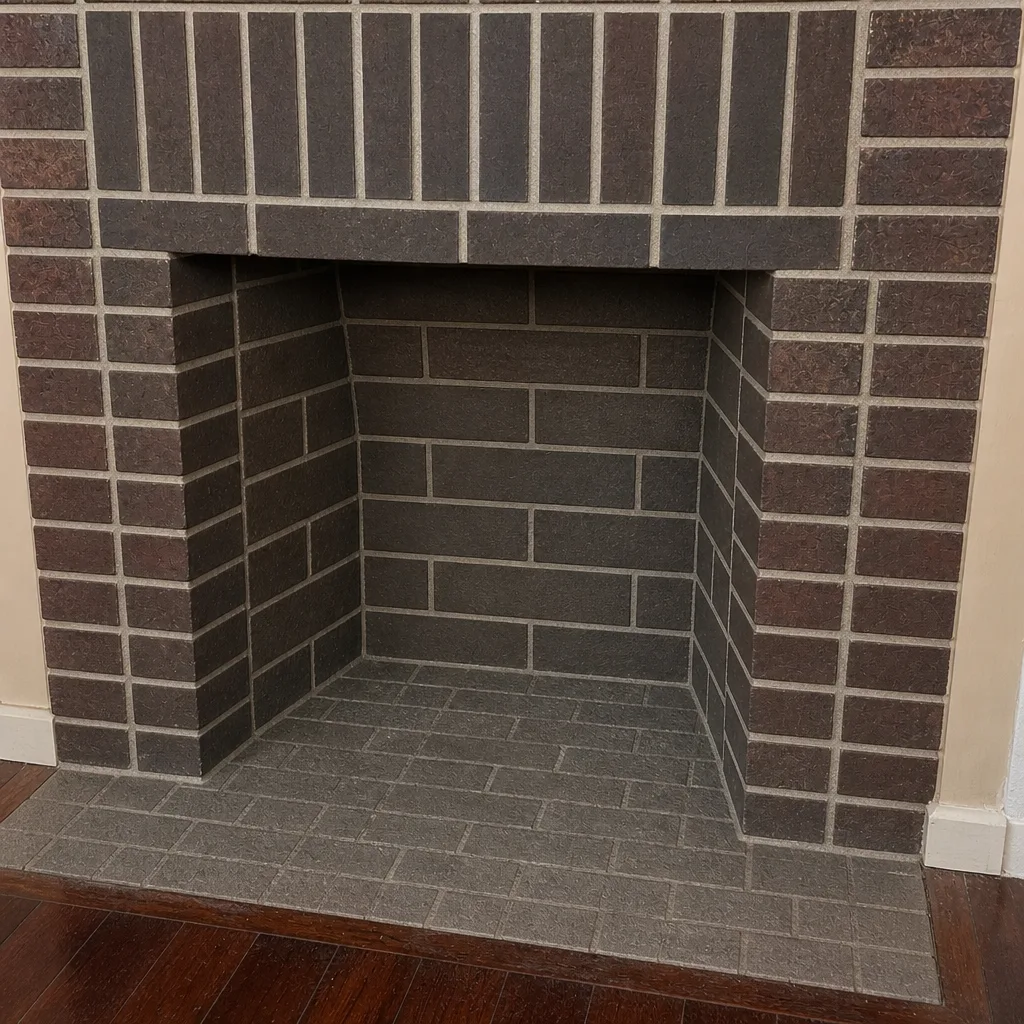 After
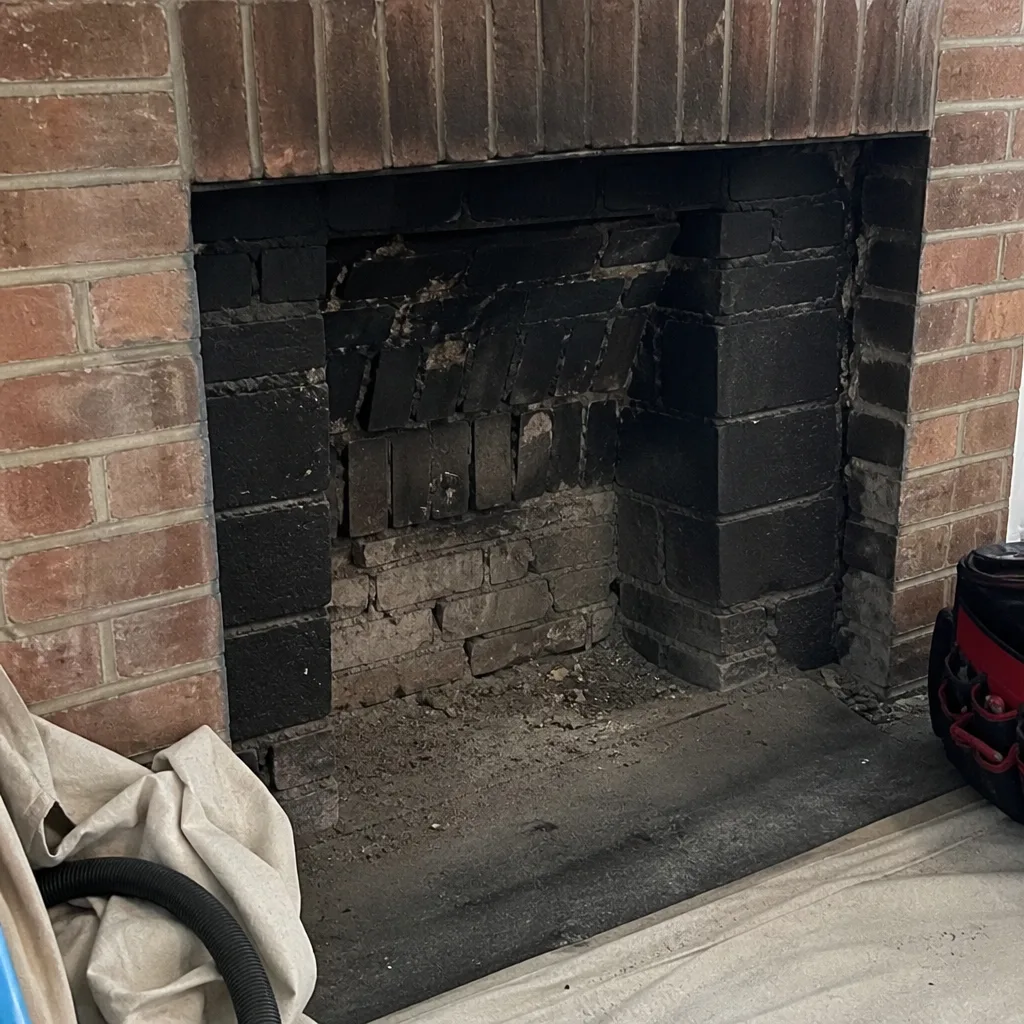 Before
 After
 Before
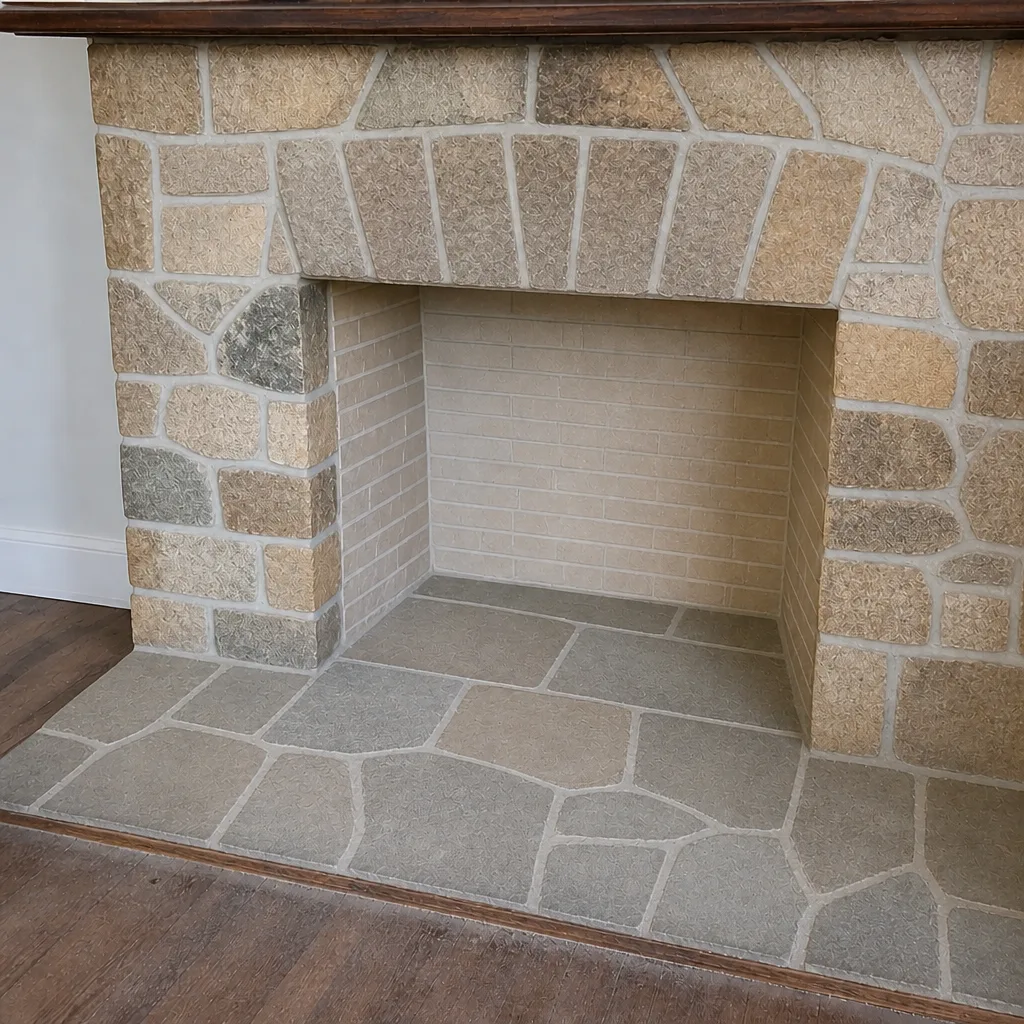 After
Frequently Asked Questions
You can remove light soot yourself if the flue was professionally serviced recently and you have safe roof access, the right brush size, and proper PPE. What you can’t do without a camera and real training is assess creosote stage, liner condition, or draft. In Sunset Park’s older rowhouse stock, those are the findings that determine whether the fireplace is safe to use, so a professional sweep with inspection is the safer baseline. Call (866) 937-8201 for a free estimate.
The general rule is once a year for a wood-burning fireplace in regular use, and more often if you burn a lot of unseasoned wood or see heavy creosote buildup. A pellet stove may need more frequent attention depending on its flue. A newly reopened or long-unused chimney should be inspected before the first fire regardless of when it was last swept. If you’re unsure, call for inspection and we’ll tell you honestly what it needs.
Not reliably. Most polices don’t prohibit DIY maintenance, but when it comes to a claim, insurers often seek dated professional documentation. A sweep invoice and inspection report do that job; a personal note that you cleaned it does not. If a real estate transaction or refinance requires a chimney inspection, a DIY sweep won’t produce the report. Call (866) 937-8201 if you want the documentation trail in place.
Creosote builds up over time and reaches a stage where it can ignite. A chimney fire does not always make itself obvious; it can burn hot and fast inside the flue and do structural damage you won’t see from the fireplace. A blocked or damaged flue also affects how flue gases leave the house. Skipping inspection doesn’t cause a problem that wasn’t there, but it does mean you won’t know what’s already there. Call (866) 937-8201 for a free estimate.
Pricing is set per job based on the chimney’s condition, the length and configuration of the flue, and what the inspection finds. We don’t quote over the phone without seeing the chimney, and the written estimate sets the final price before any work begins. It’s a free estimate and we’ll say plainly if work can wait. Call (866) 937-8201 to book.
Yes, if the liner is already compromised. A stiff brush on a cracked or spalling liner can widen the damage. That’s why inspecting before cleaning is non-negotiable. If you haven’t seen your liner with a camera, you don’t know its condition, and sweeping it blind is a gamble. A professional inspection with video takes the guesswork out. Call (866) 937-8201 for a free estimate.
When the Findings Point to Repair, Not Just Cleaning
Often the most useful outcome of a professional sweep isn’t the cleaning itself; it’s the answer to “does this chimney need work?” A proper inspection can surface three repair categories, and they’re worth understanding before anyone quotes you.
The first is the cap and crown. A cracked crown lets water into the masonry, and water is the slow-moving cause of most failing chimneys. chimney cap & crown work is preventive first and structural second: a new cap keeps rain, animals, and debris out, and a repaired crown keeps the masonry above the flue from absorbing water season after season. On a Sunset Park rowhouse, that’s often the highest-value fix on the list.
The second is the liner. Cracks, spalling, and offset failures are the standard reasons a liner needs attention. Some liners can be resurfaced rather than replaced, which is where a HeatShield application comes in; it’s a repair-grade resurfacing that restores the interior surface without a full tear-out. Others need full replacement with a flexible metal liner. We install DuraFlex liner systems for exactly that. The decision between resurfacing and replacement depends on the failure type and the camera findings, not on a preference.
The third is the firebox and damper. Cracks in the firebox masonry, a damper that won’t seal, or a smoke shelf that’s damaged are all part of what a proper chimney repair visit addresses. Those are the findings that show up during an inspection but wouldn’t be revealed by a cleaning alone.
We name the brands we install, because the materials matter as much as the labor. Olympia Chimney components, Famco caps, Copperfield liners, DuraFlex flexible liner systems, and HeatShield resurfacing are the professional-grade end of the market, the same materials restoration contractors use when they need a fix to last. When you see those names on an estimate, you’re looking at components specified for real repair work, not the hardware-store shelf.
The Bottom Line
DIY chimney cleaning isn’t wrong. It’s incomplete. You can clear light soot from an accessible flue, but you can’t tell yourself whether the creosote behind it has reached a dangerous stage, whether the liner has a crack you can’t see, or whether the crown is letting water in. In Sunset Park’s older rowhouse stock, those are the findings that actually determine whether the fireplace is safe to light. The right answer for most homeowners is a professional sweep with inspection as the baseline, and DIY for light between-service soot once you have a documented starting point. If you’re unsure, the cleanest move is a call. Call (866) 937-8201. We answer 24/7. Fast dispatch from 7am to 7pm, Sunday through Friday. Estimates are free, and the written estimate sets the price.
If you want a baseline sweep and a clear report before the heating season starts, chimney sweep service in Sunset Park is where it makes sense to start. A clean flue is the starting point. A safe, structurally sound chimney is the goal.
Written by the team at Chimney Sweep Sunset Park.