
Last updated November 22, 2026
 Sweep & inspection
 Caps & crowns
 Flue relining
 Masonry repair
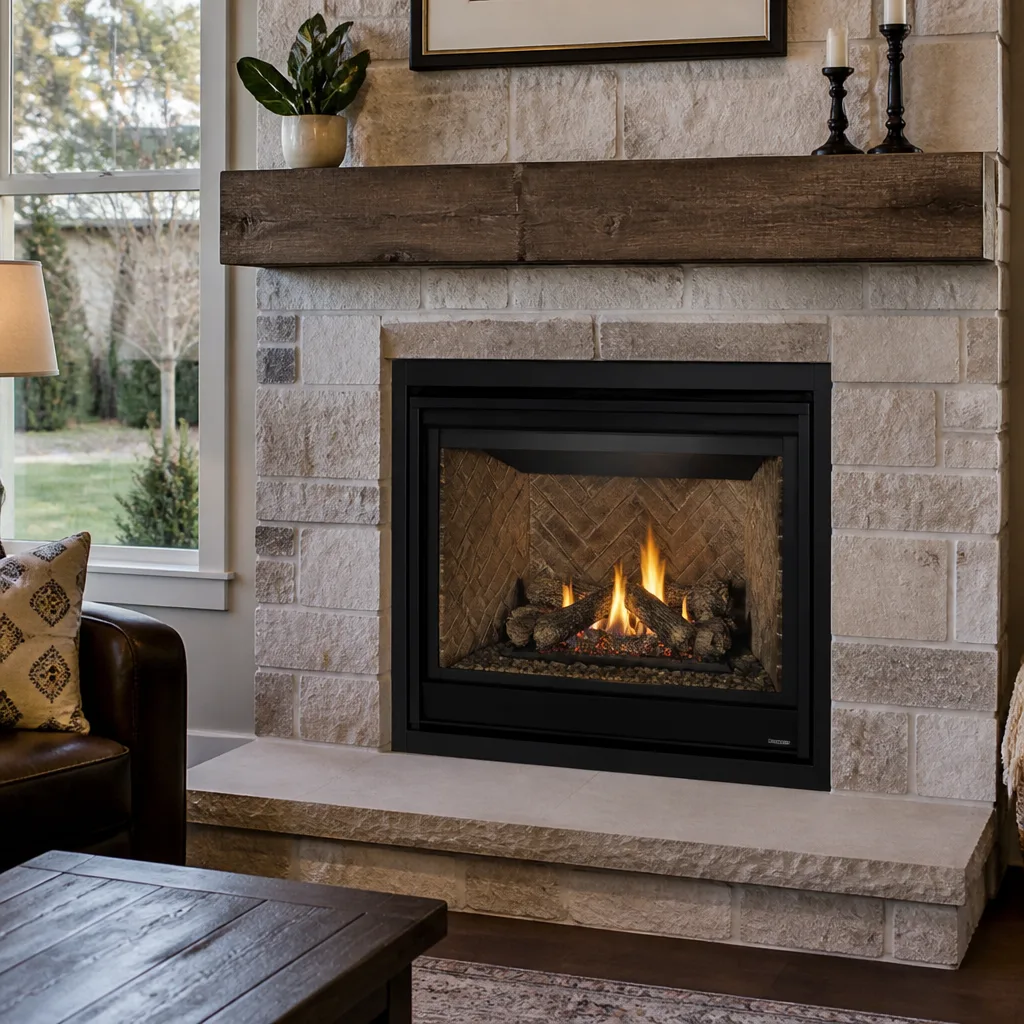 Gas fireplace service
Level 1 sweep and inspection to the NFPA 211 annual standard - flue, crown, cap, and flashing checked and photographed
Chimney sweep logs do not sweep chimneys. They loosen some creosote - which then falls where a brush and vacuum still have to collect it.
How to Hire a Chimney Cleaning Contractor in Sunset Park: A Step-by-Step Guide
Most homeowners in Sunset Park choose a chimney contractor the same way they choose a lot of things: they take the lowest bid. That’s the instinct that costs people the most. A low bid usually means one of three things got cut – the camera inspection, the written report, or the technician’s actual knowledge of what he’s looking at inside your flue. None of those show up on the invoice until something goes wrong. This guide walks you through the screening process the way we’d want a friend to do it: what to verify, what to request in writing, and what a legitimate proposal looks like versus a one-line quote that hides everything. By the end, you’ll know how to tell a real chimney contractor from a brush-and-run operation in Sunset Park.
Quick Answer
To hire a chimney cleaning contractor in Sunset Park, verify three things before booking: a CSIA certification you can look up by number, a valid NYC Home Improvement Contractor license, and proof of general liability insurance. Then request a written proposal that itemizes the sweep, the inspection method, and any recommended repairs. A contractor who can’t or won’t provide all of that isn’t a contractor worth letting on your roof.
Styles & brands we work with
- Sweep & inspection
- Caps & crowns
- Flue relining
- Masonry repair
- Gas fireplace service
Table of Contents
- What credentials should you verify before hiring a chimney contractor?
- What should a legitimate chimney cleaning proposal contain?
- What are the red flags specific to the Brooklyn market?
- How do you compare chimney cleaning bids apples-to-apples?
- What should you ask about the products and liner systems a contractor uses?
- What’s the difference between a chimney sweep and a chimney inspection?
- How often should a Sunset Park chimney be swept?
- Common Mistakes to Avoid
What credentials should you verify before hiring a chimney contractor?
Three credentials matter, and you can check all of them in under five minutes if you know where to look. The trick is to ask for them before you book, not after the technician is already on your roof. A legitimate contractor will have them ready. An operator who hedges or promises to “send them later” is telling you something.
- CSIA certification number. The Chimney Safety Institute of America certifies chimney sweeps, and every certified sweep has a number you can look up in the CSIA’s public directory. Ask for the number, then check it yourself. Certification isn’t legally required in New York, but it’s the clearest signal that a technician has been tested on inspection standards and swept-flue procedure rather than just trained on the job.
- NYC Home Improvement Contractor (HIC) license. Any contractor doing home improvement work in New York City – and chimney repair, liner work and crown replacement all qualify – needs a valid HIC license from the NYC Department of Consumer and Worker Protection. You can verify a license number on the DCWP’s online license lookup. Ask for the number and check it before the appointment.
- Proof of general liability insurance. Request a certificate of insurance. If a ladder slips or a dropped tool damages your roof, you want the contractor’s policy to cover it, not your homeowner’s policy. A certificate is a standard one-page document; a contractor who can’t produce one is either uninsured or disorganized, and neither is a good sign.
Beyond the paperwork, ask how long the technician has actually been doing the work. Our technicians have up to 11 years of experience, and that matters on a job where the difference between a clean flue and a missed liner crack is invisible from the ground. When you call Chimney Sweep Sunset Park, we’ll tell you plainly what the visit includes and what it doesn’t.
What should a legitimate chimney cleaning proposal contain?
A legitimate proposal is itemized. It separates the sweep from the inspection, states the inspection method, and lists any recommended repairs with enough detail that you can compare it to another bid line by line. A one-line quote – “$X for chimney cleaning” – hides everything, including whether an inspection is included at all.
Here’s what a written proposal from a qualified contractor should spell out:
- The sweep itself: what’s being cleaned (flue, firebox, smoke chamber), the method used, and whether a drop cloth and HEPA vacuum setup is included.
- The inspection: the level of inspection being performed and whether a camera is used. Video scanning is what lets a technician actually see the interior of the flue, especially on the liner seams and at the smoke chamber transition where problems hide.
- Findings and photos: a written inspection report with photos of anything flagged. If a repair is recommended, you should be able to see the evidence yourself, not take it on faith.
- Repair recommendations, itemized: if the liner has a crack, the proposal should state the liner type, the product being used, and the scope of the repair.
- What’s excluded: a good proposal is honest about what it doesn’t cover. If masonry work is out of scope, it should say so.
When you hire through Chimney Sweep Sunset Park, the flat price for the sweep is agreed before we book, the camera inspection and photo report are included, and the written estimate sets the final price. No surprise add-ons after the technician arrives.
What are the red flags specific to the Brooklyn market?
Brooklyn has a particular set of chimney-contractor problems, and they tend to cluster around a few predictable patterns. Knowing them ahead of time is the difference between a straightforward appointment and a hard sell you didn’t ask for.
Door-to-door solicitation after storms
After any significant storm, crews appear in Sunset Park neighborhoods offering “free chimney inspections” that quickly turn into high-pressure repair pitches. A contractor who knocks on your door after a weather event and claims your chimney is an emergency is almost always selling urgency, not inspecting. A real chimney contractor doesn’t need to drum up work by knocking.
Cash-only pricing
If a contractor only takes cash and won’t put a number in writing, you have no recourse if the work is shoddy or incomplete. Every legitimate job gets a written estimate. Cash-only is a signal that the contractor is either unlicensed, uninsured, or both – and either way, you’re the one holding the risk.
Refusal to provide a written inspection report
A technician who sweeps the flue and then tells you verbally that “everything looks fine” hasn’t performed an inspection – he’s performed a sweep and guessed. A real inspection produces a document. If there’s a problem, there’s a photo of it. If there isn’t a problem, that’s documented too. In Sunset Park’s older housing stock, some flues are clay-tile lined, some have been relined over the years, and some have no liner at all; a proper inspection report is how you find out which one you have.
One more local issue worth knowing: chimney fires and carbon monoxide exposure are the two real hazards a chimney inspection is designed to catch, and both are silent until they aren’t. A cracked liner or a blocked flue can let carbon monoxide back into the living space – that’s a documented risk, not a sales tactic. If a contractor tells you your chimney is dangerous, ask to see the photos. If he can’t produce them, walk away.
How do you compare chimney cleaning bids apples-to-apples?
The hardest part of hiring a chimney contractor is that two bids for “chimney cleaning” can describe completely different jobs. One contractor includes a camera inspection; the other runs a brush and leaves. One includes the photo report; the other gives you a verbal “all clear.” To compare fairly, you need to normalize the bids against the same scope.
Here’s the comparison method we’d suggest:
- Ask each contractor to state the inspection level included. Level 1 is a visual check of accessible components; Level 2 adds a video scan of the flue interior. If one bid includes a Level 2 inspection and the other doesn’t, they’re not the same job.
- Ask whether a written report with photos is included. If one bid produces a document and the other doesn’t, price the difference in your head before comparing totals.
- Ask what happens if the inspection finds a problem. A contractor who includes the inspection but hands off any repair work to a subcontractor is quoting you for half a job. Ask who does the repair if one is needed.
- Compare the repair pricing separately. Sweep cost and repair cost should be quoted separately, so you can see what each contractor would charge if liner work turns out to be necessary.
- Check the proposal for the word “standard.” If a bid lists “standard liner materials” or “standard cap” without naming the product, ask for the specific brand and model before you compare anything else.
Comparing bids this way usually exposes the low-bid operator. The bid that looked $100 cheaper often turns out to be missing the camera inspection, the written report, or both – and those aren’t extras. They’re the core of what you’re paying for. When you hire through Chimney Sweep Sunset Park, everything is quoted in one scope, so there’s no gap to fill later.
What should you ask about the products and liner systems a contractor uses?
This is the question that separates a knowledgeable contractor from a brush-and-run operator. A real chimney professional names the brands and systems he installs, because the materials are as much of the job as the labor. A low-bid operator says “standard materials” and can’t tell you what’s actually going into your chimney.
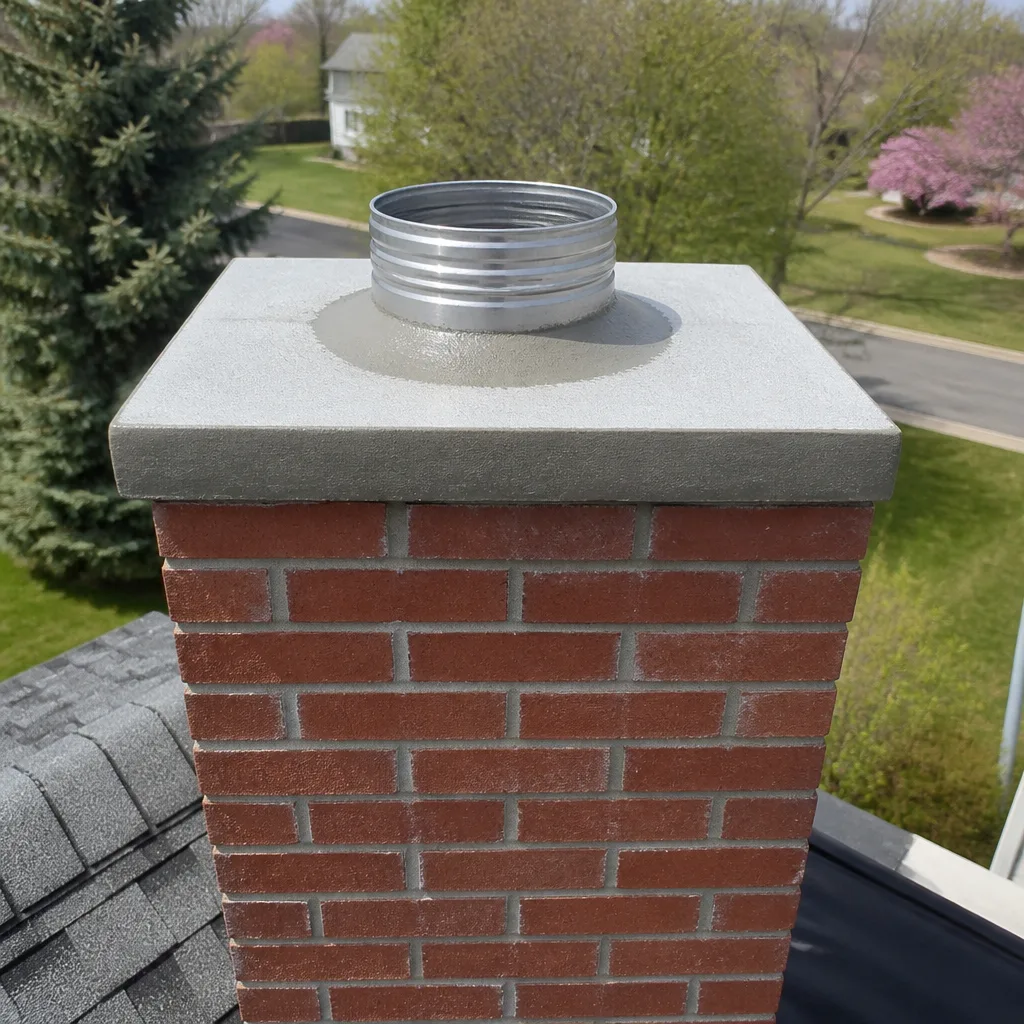
Ask the contractor what liner system he’d use if a replacement is needed. A qualified answer will name a specific product – DuraFlex for flexible stainless liners, HeatShield for flue resurfacing where the existing liner can be restored rather than replaced, Famco for caps and dampers. If the answer is “whatever’s available” or “standard stuff,” you’ve learned everything you need to know.
We work with professional-grade brands like DuraFlex and HeatShield for exactly this reason: HeatShield lets a technician resurface a compromised flue rather than automatically defaulting to a full liner replacement, and that’s a diagnostic-level call most sweep-only companies can’t make. When we quote a repair, the proposal names the product. When we look at your chimney, the findings are documented with photos you can see before anything is recommended. If the right answer is to wait, we say so. Nothing gets recommended without camera evidence you can review yourself.
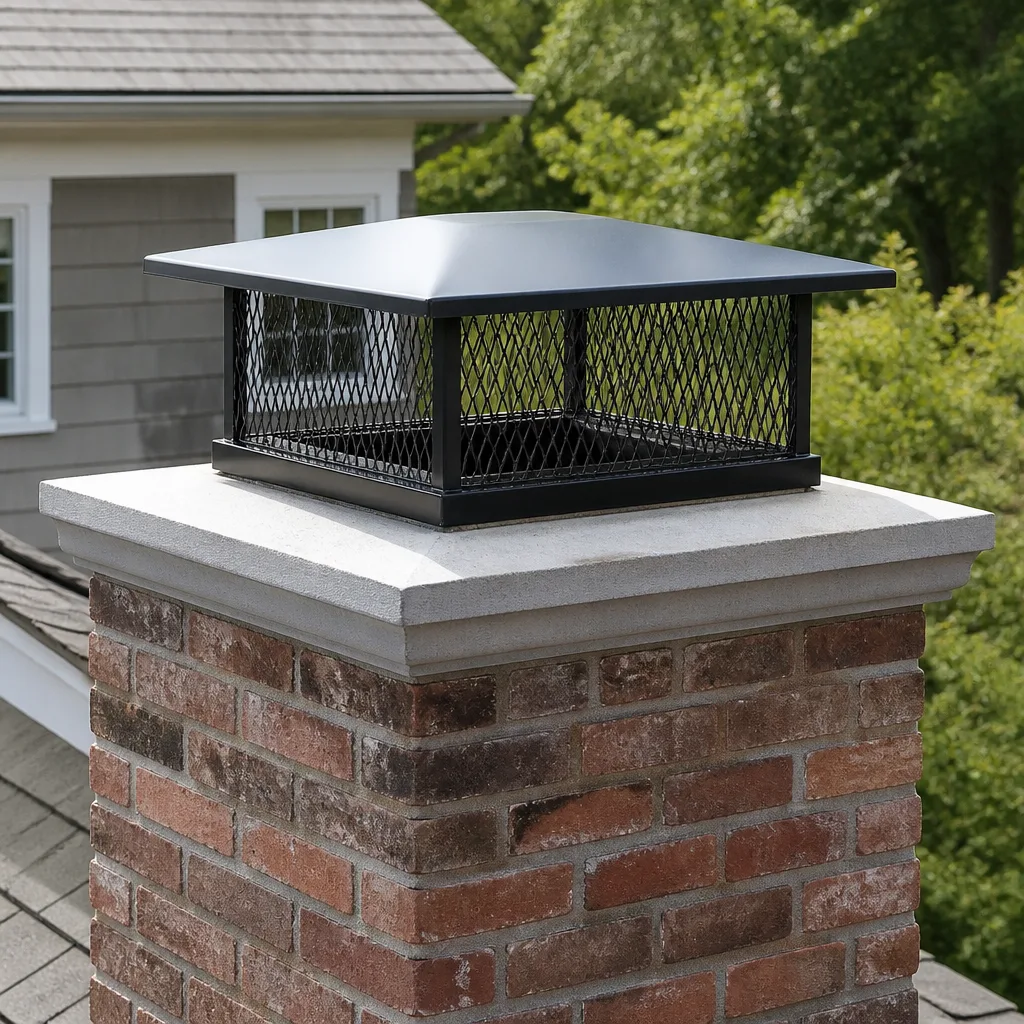
Ask specifically whether the contractor installs chimney cap & crown components as part of the same visit. A cap is cheap preventive maintenance, and a contractor who can install it while he’s already on the roof is saving you a second appointment. And if the flue needs interior repair, ask about chimney repair capability before you book the sweep – because a contractor who only sweeps should tell you upfront that he doesn’t do repairs, rather than after the sweep.
What’s the difference between a chimney sweep and a chimney inspection?
A sweep cleans; an inspection evaluates. They’re different services, and the confusion between them is the single most common way homeowners get shortchanged. A brush run through the flue clears creosote and soot. It tells you nothing about whether the liner has a crack, whether the smoke chamber is properly parged, or whether the crown is letting water into the masonry.
An inspection involves a visual check of the accessible components (the firebox, damper, smoke chamber, flue, cap, and crown), and at Level 2, a video scan of the flue interior using a camera on a rod. The camera is what catches a gap in the liner tiles at a joint, or a buildup of creosote in a section that the brush couldn’t reach. In Sunset Park’s row houses and older apartment buildings, where flues are often clay-tile lined and have had decades of use, the camera scan is the difference between a guess and a diagnosis.
At Chimney Sweep Sunset Park, a chimney sweep always includes an inspection with camera evidence and a photo report. That’s not an upsell; it’s the way a sweep should be done. If you’ve had a sweep before and never saw a photo of the flue interior, you’ve had a sweep without an inspection.
How often should a Sunset Park chimney be swept?
Annual sweeping is the standard recommendation for any chimney that’s used regularly, and it’s the right baseline in Sunset Park. But “annually” is a starting point, not a rule written in stone. The frequency that matters depends on how much you burn, what you burn, and what condition the flue is in.
- Regular wood burning: sweep once a year, ideally before the burning season starts, and inspect at the same time.
- Heavy use, or burning unseasoned wood: consider a mid-season check. Unseasoned wood produces more creosote, and creosote buildup is what fuels a chimney fire.
- Occasional use (a few fires a season): annual inspection still makes sense, even if the sweep itself can wait longer.
- No use for years: get an inspection before the first fire. A dormant flue can collect debris, bird nests, or a cracked liner you won’t see from the firebox.
We can’t tell you a precise schedule without seeing your chimney, and any contractor who quotes one over the phone is guessing. The right answer is the one that comes from the camera inspection. If your flue is clean and the liner is sound, we’ll tell you it can wait until next year. If it can’t, the photos will show you why. Call (866) 937-8201 for an exact quote – estimates are free.
Common Mistakes to Avoid
- Hiring on price alone. The lowest bid almost always means the inspection, the camera, or the written report was cut. Those are the parts of the job that protect your home.
- Skipping the credential check. Two minutes on the CSIA and NYC DCWP lookup sites will tell you whether a contractor is actually certified and licensed. Do it before you book, not after.
- Accepting a verbal “all clear.” If a contractor can’t show you a photo of your flue interior, he hasn’t inspected it. He’s swept it and guessed.
- Letting a storm-chaser set the agenda. Door-to-door pitches after a Brooklyn storm are a sales tactic, not an emergency response. A legitimate contractor will be there when you call him, not on your doorstep.
- Not asking about the products. “Standard materials” means the contractor doesn’t want to be held to a specific product. Ask for the brand name and write it into the proposal.
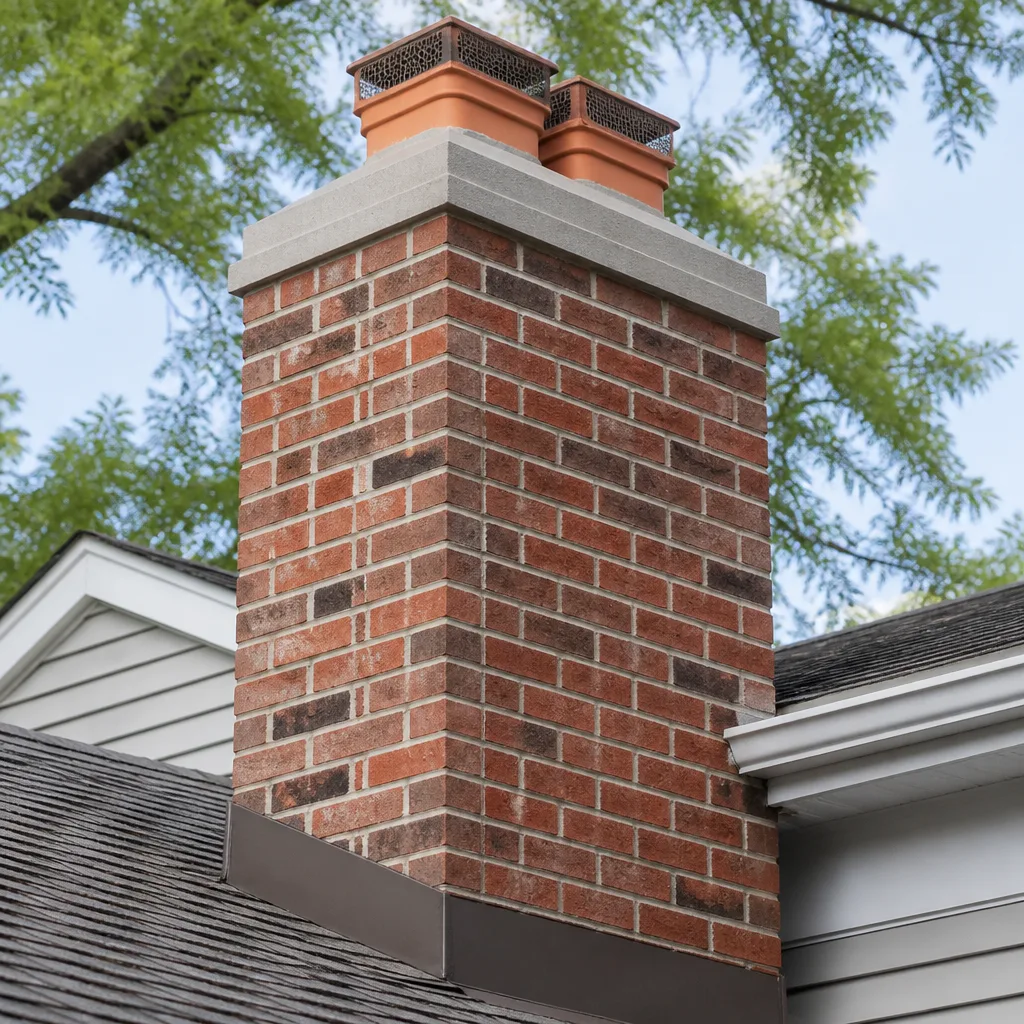
- Ignoring the cap and crown. A missing cap or a cracked crown lets water into the masonry, and water damage is what turns a small repair into a rebuild. Ask about cap and crown on the same visit.
- Booking one contractor for the sweep and another for the repair. If the inspection finds a problem, you want the same contractor to handle it, with the same scope and the same documentation. Handoffs mean gaps in who’s accountable.
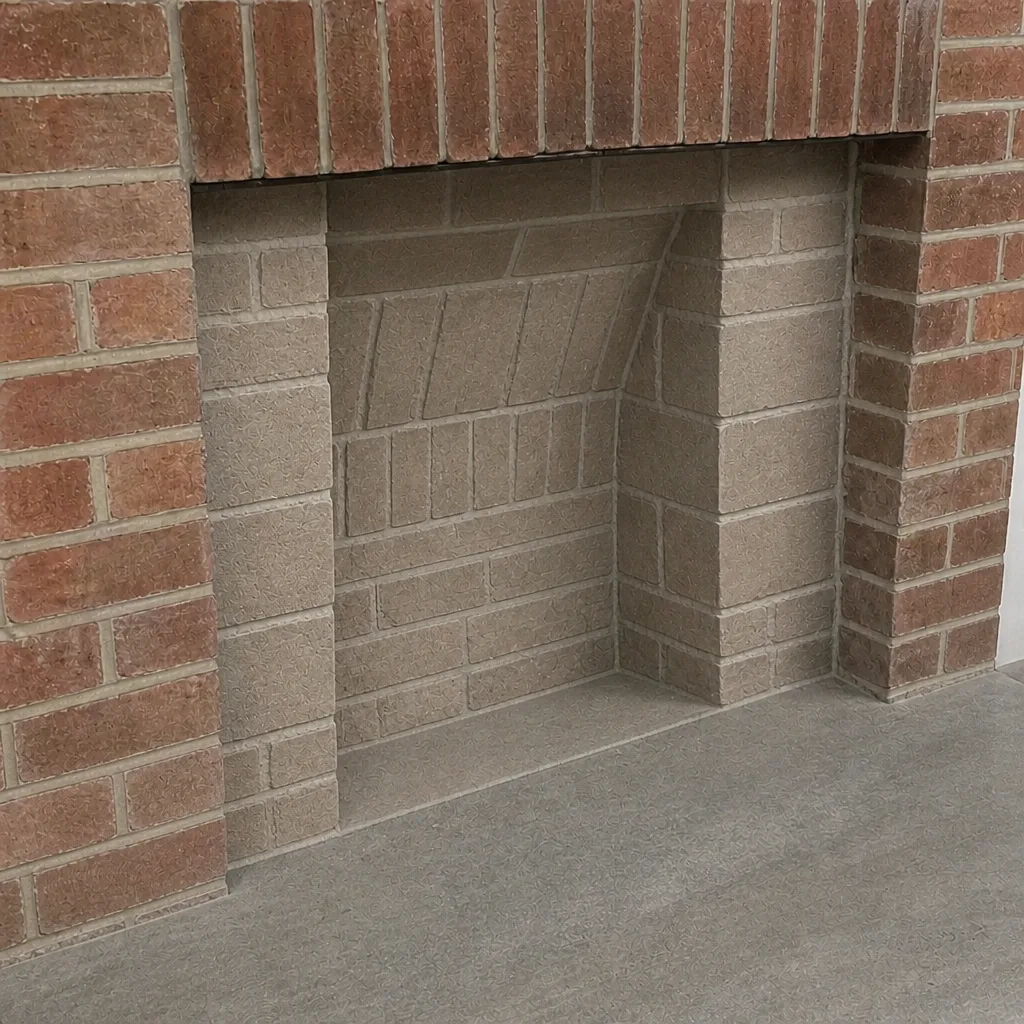
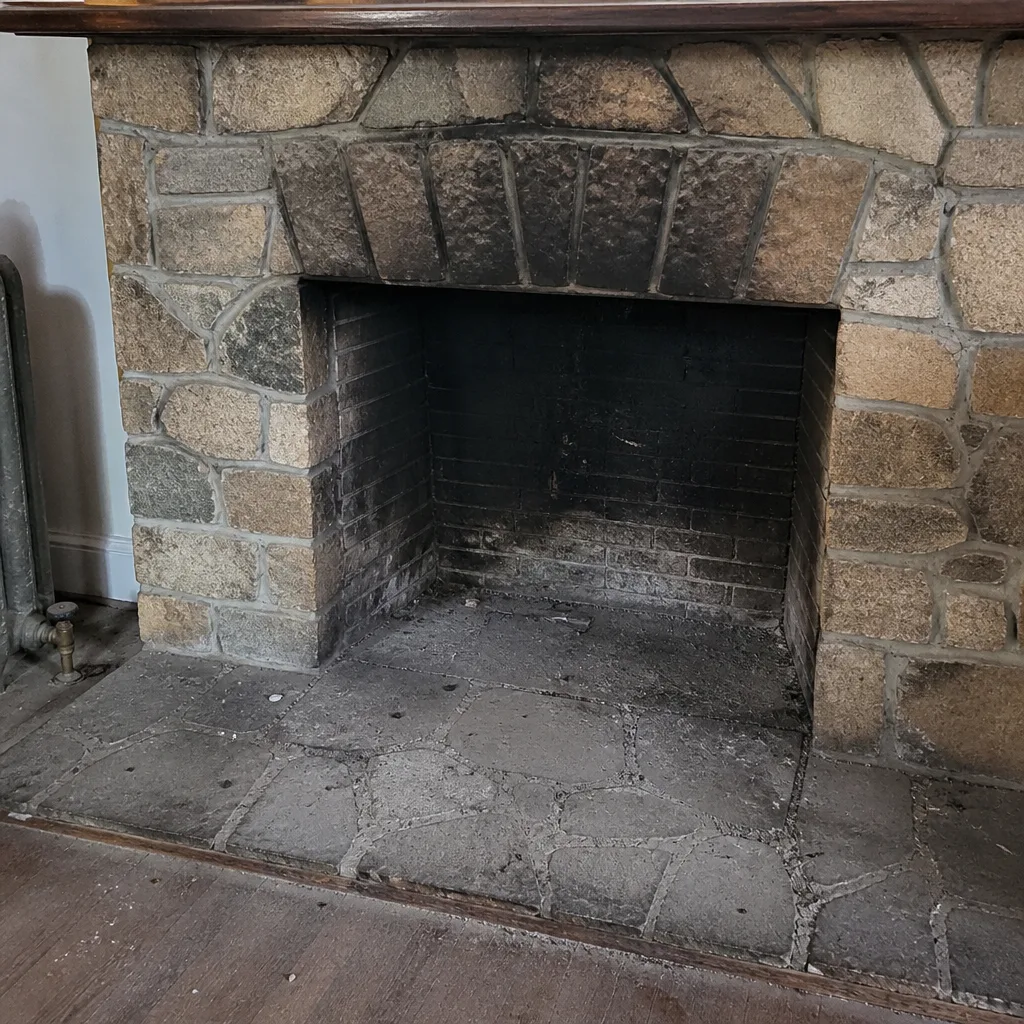
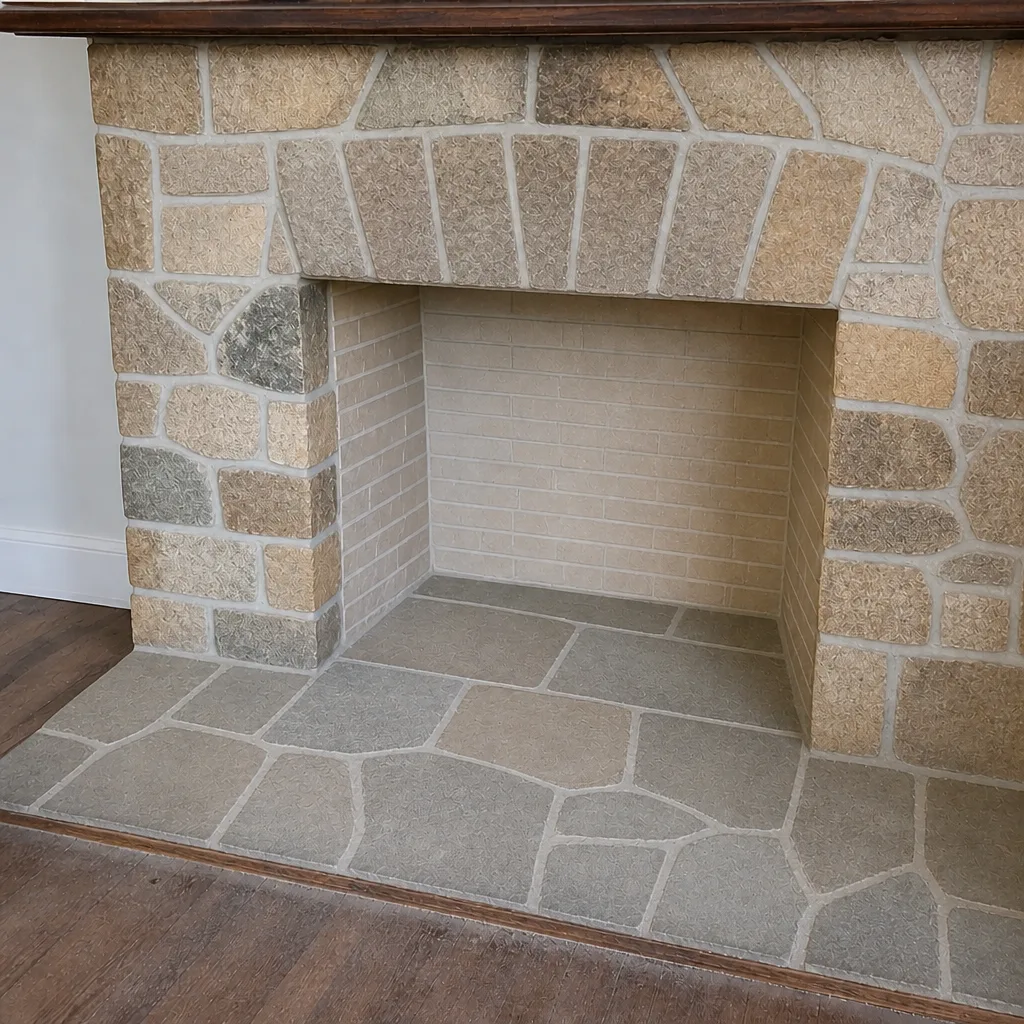
See the difference
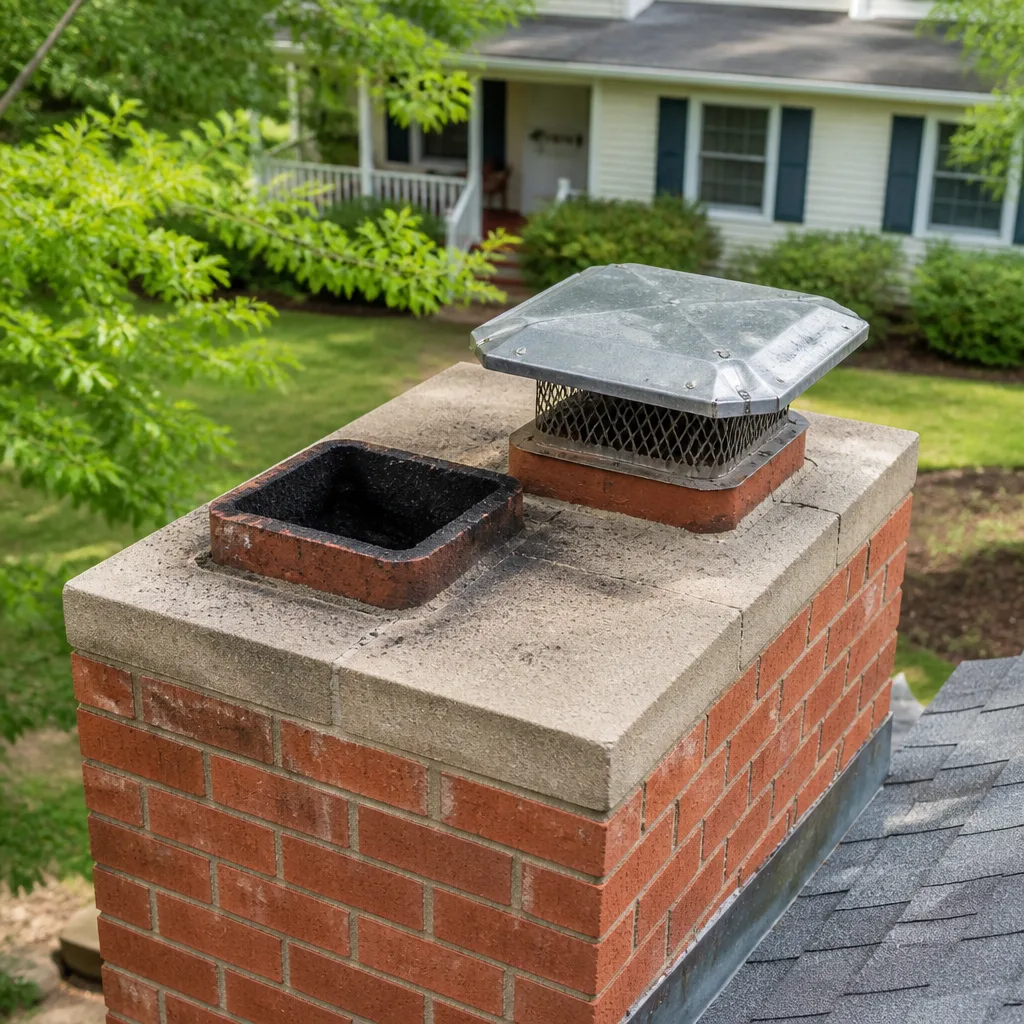
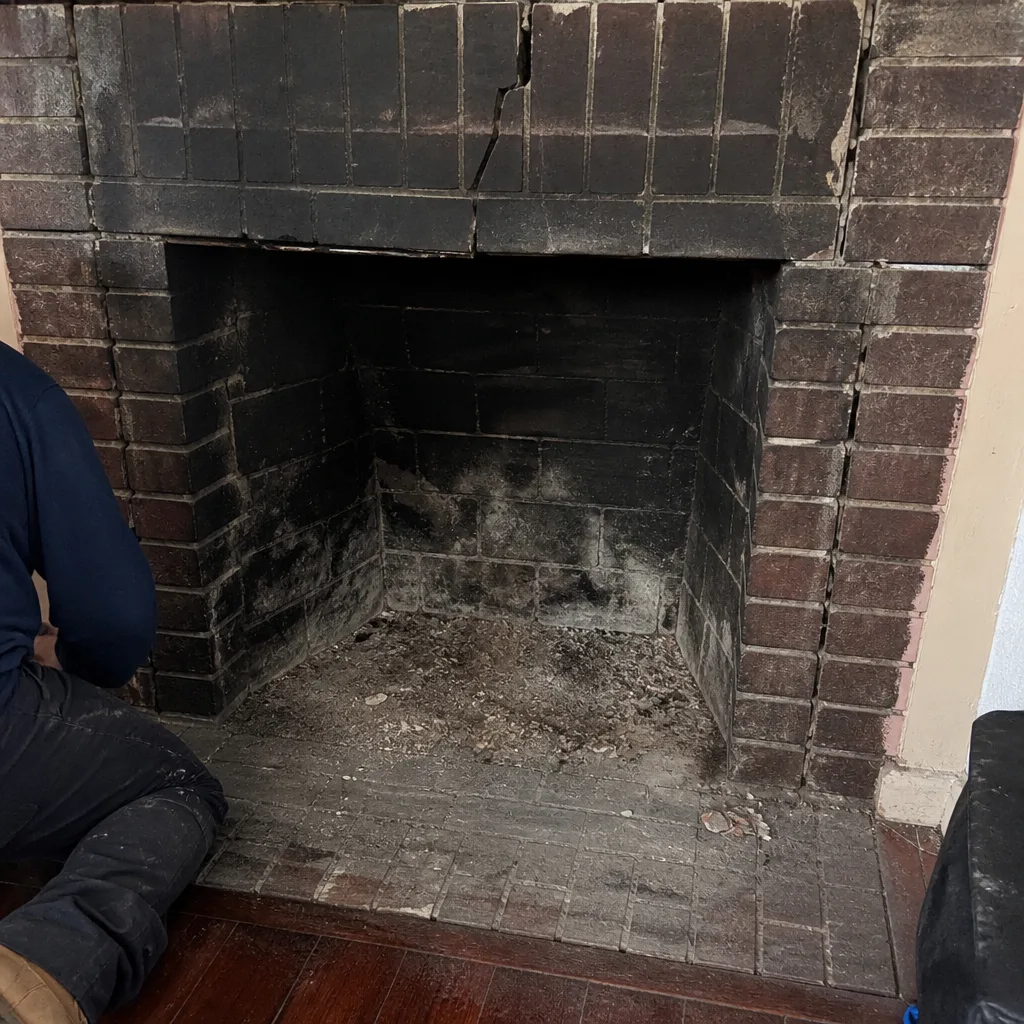 Before
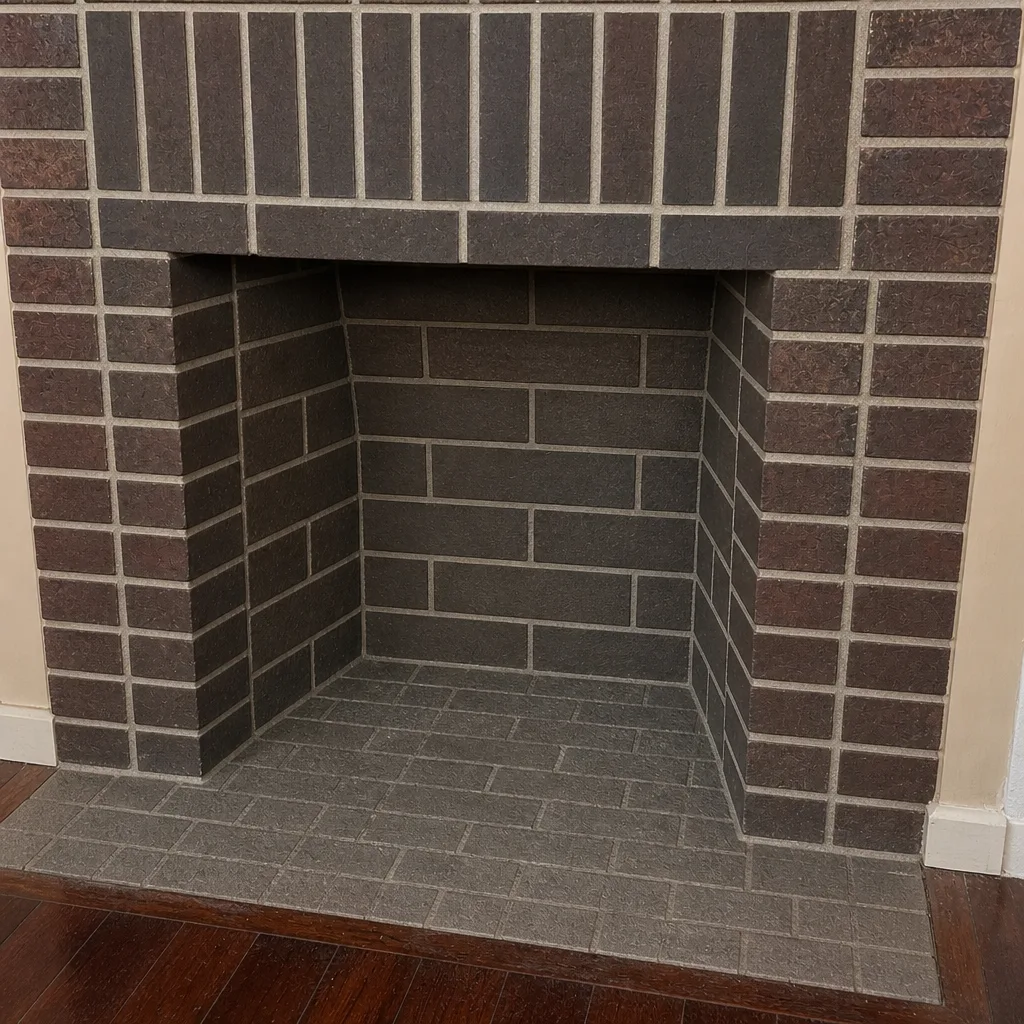 After
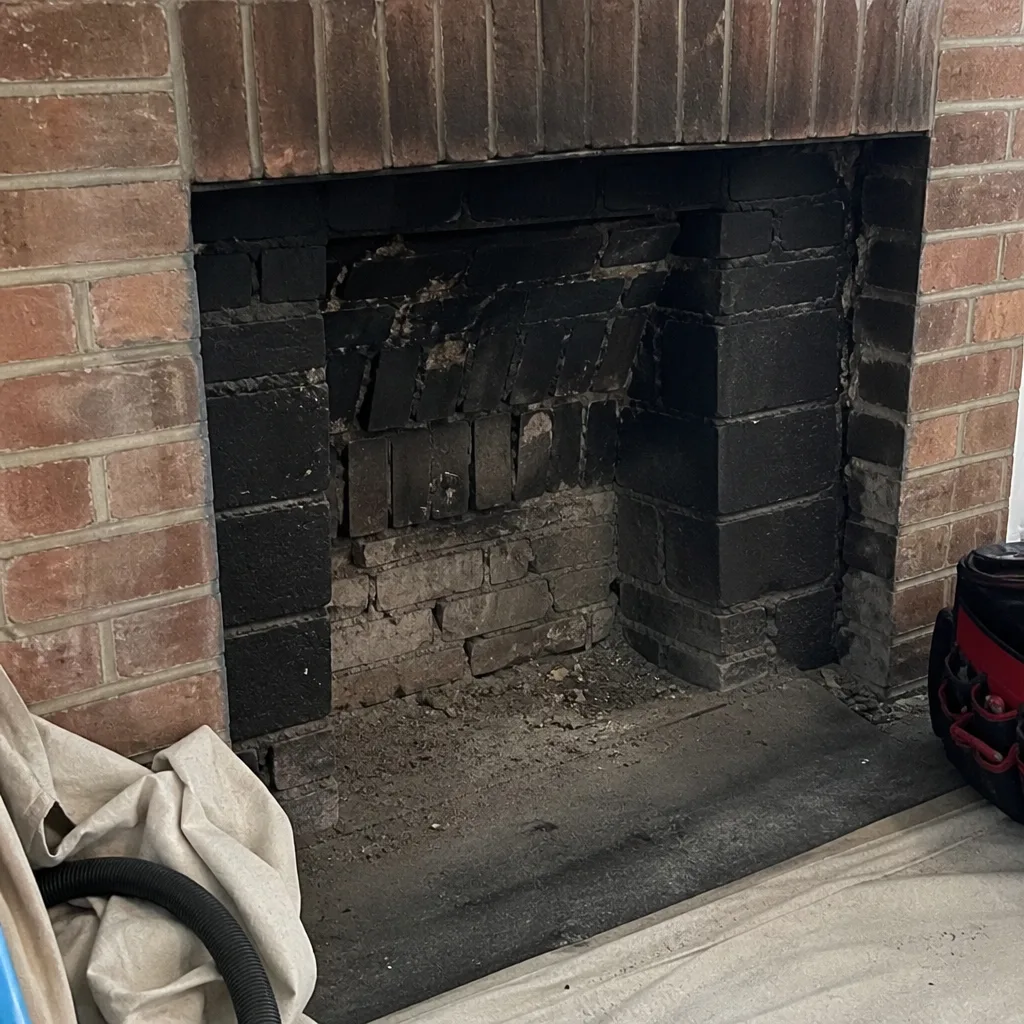 Before
 After
 Before
 After
When to Call a Professional
Some chimney problems announce themselves – a smoky fire, a draft that won’t draw, a stain on the ceiling near the flue, a damaged cap you can see from the ground. Others stay quiet until a technician gets a camera in the flue. Call a professional if your chimney hasn’t been inspected in over a year, if you’ve never seen a photo of your flue interior, if you’re buying or selling a home in Sunset Park and need an inspection for the transaction, or if you notice a smoky odor in the room after a fire. Chimney Sweep Sunset Park offers free estimates in Sunset Park – call (866) 937-8201. We answer 24/7, with fast dispatch from 7am to 7pm, Sunday through Friday. Whatever the inspection finds, the findings get handled by the same team, not handed off to a subcontractor.
Frequently Asked Questions
Most chimney sweeps in Sunset Park fall into a range that depends on the flue configuration, the level of inspection included, and whether the chimney has multiple flues. A sweep with a Level 2 camera inspection costs more than a brush-only visit, but the inspection is what tells you the flue is actually safe. We set the price per job with a written estimate, and the flat price for the sweep is agreed before we book. Call (866) 937-8201 for an exact quote – estimates are free.
CSIA certification isn’t legally required in New York, but it’s the clearest way to verify a technician has been trained and tested on inspection standards. A contractor who can give you a CSIA number and let you look it up is a contractor who’s willing to be checked. If a contractor can’t or won’t, ask what certification he does hold and why he doesn’t have CSIA.
The biggest red flags in Brooklyn are door-to-door solicitation after storms, cash-only pricing, and refusal to provide a written inspection report with photos. All three point to the same thing: a contractor who can’t document his work. A legitimate contractor will always put the scope and the price in writing before the appointment.
Yes, especially for repair work. Get at least two written proposals and compare them line by line: scope, inspection level, products specified, and what’s included versus excluded. Compare the proposals on scope first, price second. A cheaper bid that omits the camera inspection isn’t actually cheaper.
We’re closed Saturday and open Sunday through Friday, 7am to 7pm, so a Saturday request gets booked into the next opening. Call (866) 937-8201 and we’ll find a slot that fits your week – estimates are free.
The findings should be documented with photos and a written recommendation for what, if anything, needs to be done. Nothing should be recommended without camera evidence you can see for yourself, and a good contractor will tell you plainly when work can safely wait. If repair is needed, it should be quoted in a separate written estimate that names the product being used.
The Bottom Line
Hiring a chimney cleaning contractor in Sunset Park comes down to three verifiable things: credentials you can look up, a written proposal that itemizes the scope, and a contractor who names the products he installs. Price is the last thing you compare, not the first. A low bid that skips the camera inspection, the written report, or the CSIA number isn’t a bargain – it’s a gap in your chimney’s safety that you won’t see until it matters. Screen the contractor the way you’d screen any tradesperson working inside your home: ask for the paperwork, request the report, and look at the photos before you agree to anything. If the inspection finds a problem, the right contractor handles it in the same visit, with the same documentation.
Call Chimney Sweep Sunset Park at (866) 937-8201 for a free estimate. We answer 24/7, with fast dispatch from 7am to 7pm, Sunday through Friday.
Written by the team at Chimney Sweep Sunset Park.