
Last updated November 22, 2026
 Sweep & inspection
 Caps & crowns
 Flue relining
 Masonry repair
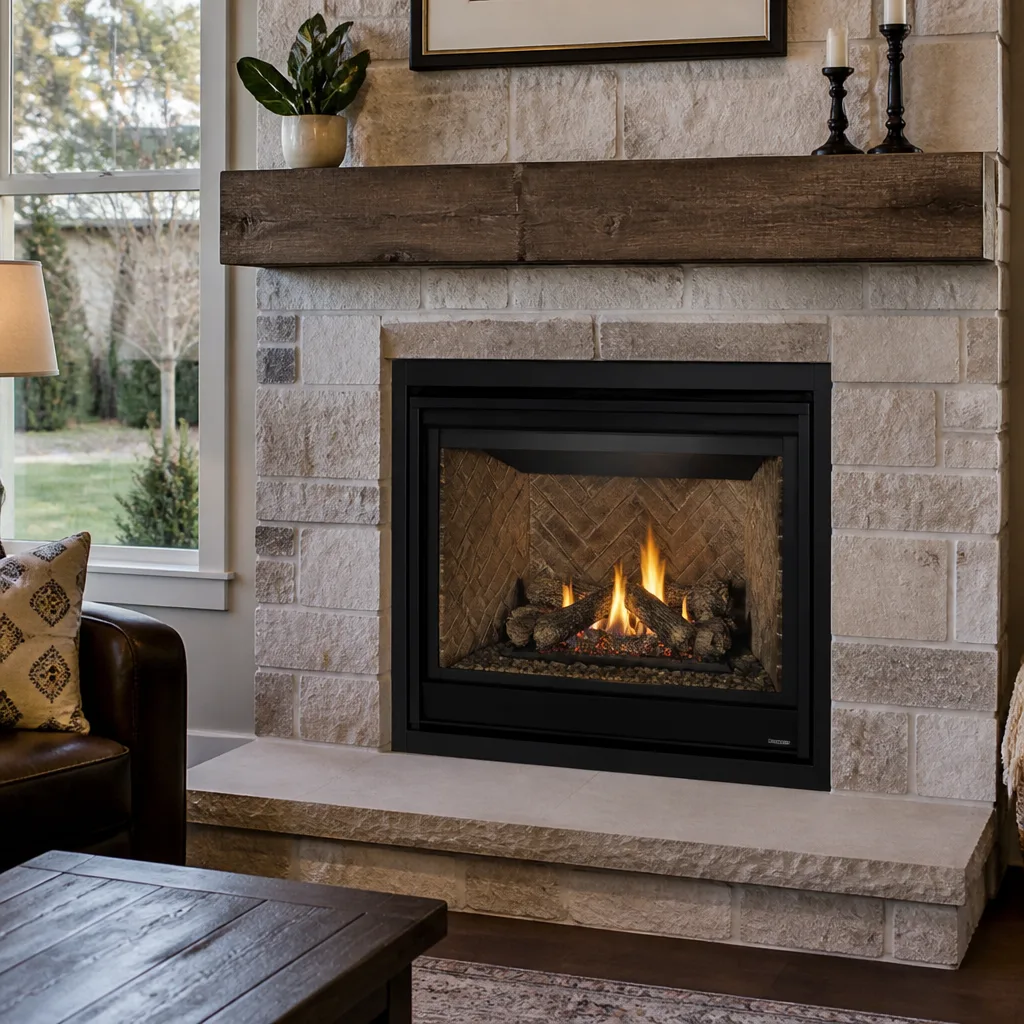 Gas fireplace service
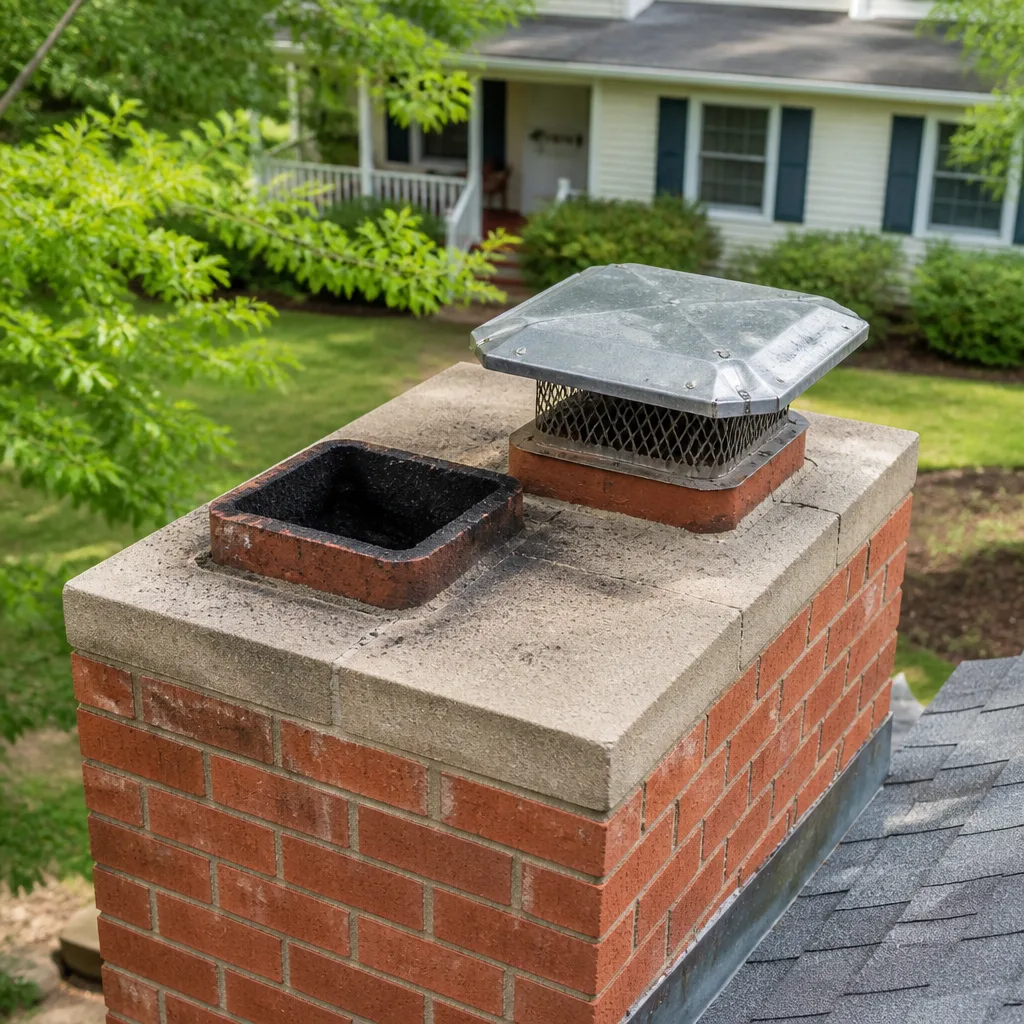
Level 1 sweep and inspection to the NFPA 211 annual standard - flue, crown, cap, and flashing checked and photographed
Chimney sweep logs do not sweep chimneys. They loosen some creosote - which then falls where a brush and vacuum still have to collect it.
Chimney Sweep Maintenance Checklist for Sunset Park Homeowners
Most chimney “checklists” floating around online stop at the flue. That’s a spot check, not maintenance. If your list doesn’t treat the crown, the counter-flashing and the smoke chamber as separate line items with their own pass/fail criteria, you’ll miss exactly the three components that drive the biggest repair bills in Sunset Park’s older rowhouses. A checklist earns its keep when it’s a tracking document, not a reminder: written down, kept year to year, so you can see whether the same mortar joint keeps opening or the same hairline in the liner keeps growing. That’s how you find a root cause instead of paying to treat a symptom again and again. This guide gives you the component list, tells you what you can safely check yourself and what needs a camera, and shows you how to log it all.
Quick Answer
A proper chimney maintenance checklist in Sunset Park covers seven components separately – cap, crown, flashing, liner, smoke chamber, damper and firebox – and each needs a written pass/fail note with the date. Check the parts you can see safely from the ground or the hearth yourself, and have the flue and smoke chamber inspected with a camera once a year. Keep the notes. The pattern across two or three years tells you what’s quietly deteriorating.
Styles & brands we work with
- Sweep & inspection
- Caps & crowns
- Flue relining
- Masonry repair
- Gas fireplace service
Table of Contents
- Why a Checklist Beats a Spot Check
- The Seven Components, With Pass/Fail Criteria
- How Brooklyn Freeze-Thaw Cycles Attack Sunset Park Masonry
- What You Can Check Yourself and What Needs a Camera
- How to Log Findings Year Over Year
- What’s Worth Keeping at Home
- Common Mistakes to Avoid
- When to Call a Professional
Why a Checklist Beats a Spot Check
A spot check answers one question: is there soot built up? A checklist answers a different one: is anything in this chimney system changing? Those are not the same job, and only one of them saves you money over a decade.
Picture two Sunset Park rowhouses side by side. Both get swept every year. In one, the sweep notes that the crown has a hairline crack each spring. In the other, nobody writes anything down, so nobody notices that the same crown has been shedding mortar for three years running. By the time it’s obvious, water has been getting into the masonry for several winters. The sweep happened in both houses. The tracking happened in one.
That’s the core idea behind this guide. We don’t want you to clean more often – we want you to record what you find, with dates, so deterioration is visible before it becomes structural. That means:
- The same item failing two years in a row is a root-cause problem, not bad luck.
- A liner crack that measures wider each year is a different conversation than one that hasn’t moved.
- Mortar joints that were intact and now aren’t tell you which side of the chimney takes the weather.
Our technicians have up to 11 years of experience on Brooklyn roofs, and the pattern that shows up again and again is a homeowner who did everything right except keep the paperwork. The maintenance itself is straightforward. The memory isn’t. A checklist fixes that.
The Seven Components, With Pass/Fail Criteria
Here is the component-by-component checklist. Each item gets its own line, its own date and its own pass/fail note. Don’t collapse them. A chimney cap that’s failing and a crown that’s failing look alike from across the yard and cost very different amounts to fix.
1. Chimney Cap
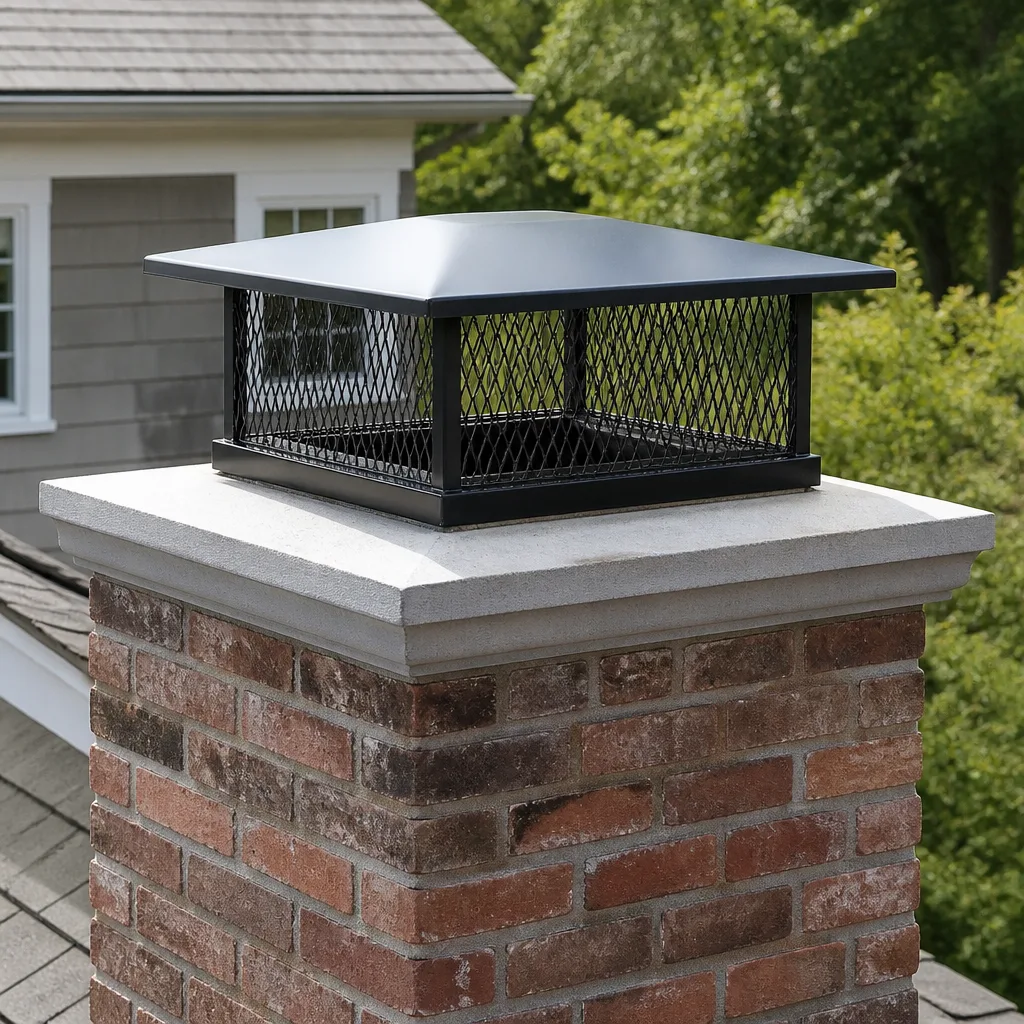
Pass: The cap sits level and flush over the flue, the mesh screen is intact, and it’s firmly attached with no wobble.
Fail: Holes in the mesh, rust-through, a cap knocked loose by wind, or a cap that’s simply missing. No cap means water and animals go straight in.
2. Crown
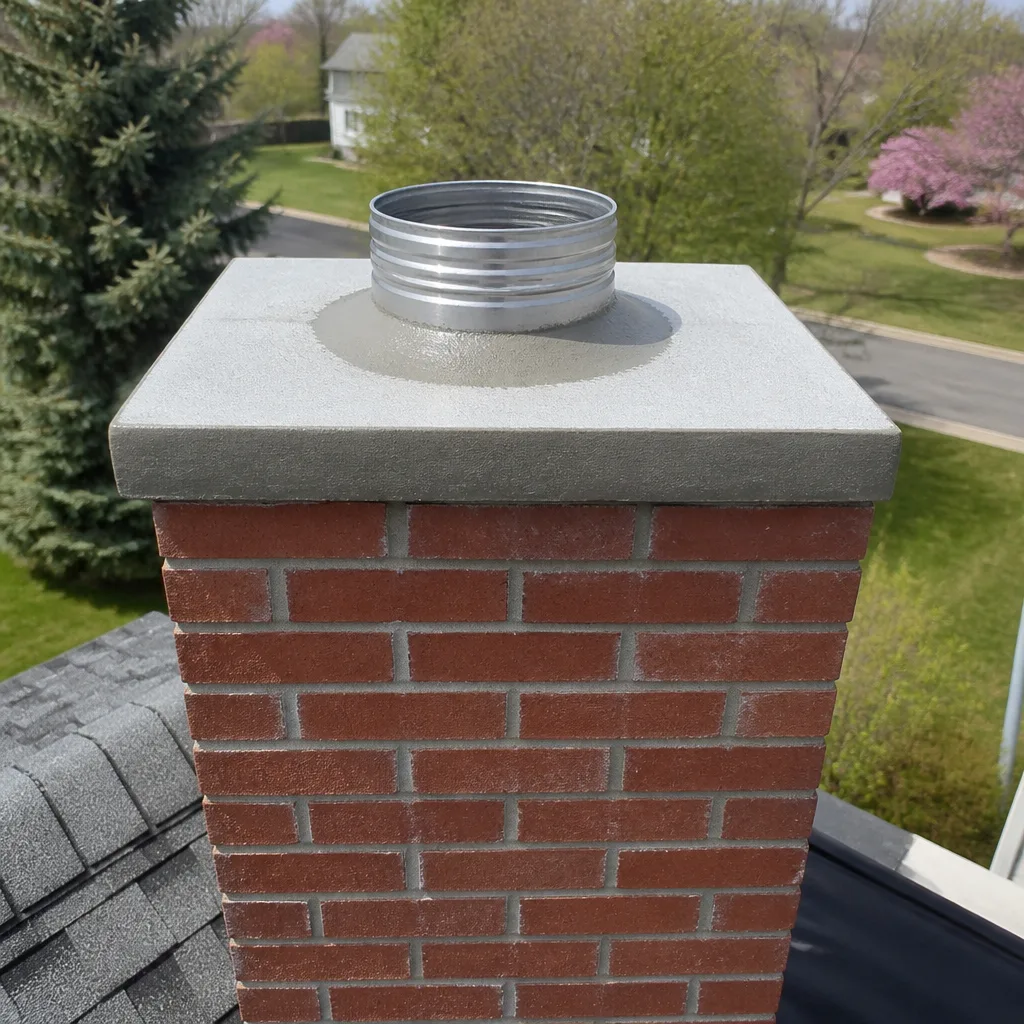
Pass: The crown is intact and slopes away from the flue so water runs off. No visible cracks wider than a hairline.
Fail: Cracks you can see from the ground, crumbling edges, or a crown that’s started to separate from the flue. Cracks pull water into the masonry, which is the beginning of the freeze-thaw damage described below.
3. Counter-Flashing
Pass: The flashing is snug where the chimney meets the roof. No lifting, no gaps, no tar smeared over the seam as a quick fix.
Fail: Separated flashing, missing step flashing, or a seam that’s been patched repeatedly. This is one of the most common hidden leak sources on Sunset Park rowhouse roofs.
4. Liner
Pass: The liner is continuous with no gaps, cracks, or crumbling sections. A clay tile liner should show evenly spaced joints with no visible gaps.
Fail: Cracks, spalling, missing tiles, or a liner that’s separated at the joint. This one needs a camera. A visual look from the hearth won’t tell you what the top of the flue looks like.
5. Smoke Chamber
Pass: The chamber walls are smooth enough to allow smoke to flow freely, with no rough, open mortar joints.
Fail: Rough or open joints, gaps at the damper, or a chamber that’s been poorly parged. This needs a camera too. It’s one of the most commonly missed items on a spot check.
6. Damper
Pass: It opens and closes cleanly and sits flush when closed, keeping cold air out of the house.
Fail: A damper that sticks, won’t close all the way, or has rusted through. A failed damper is also a heat-loss problem, not just a fireplace problem.
7. Firebox
Pass: The firebrick is intact with no cracks or spalling, and mortar joints are tight.
Fail: Cracks in the brick, missing mortar, or loose bricks. Don’t burn in a firebox with damaged firebrick until it’s been checked.
Notice what’s not on this list: “cleaned the flue.” Sweeping is a task, not a checkpoint. It’s how you start the inspection, not how you finish the checklist.
How Brooklyn Freeze-Thaw Cycles Attack Sunset Park Masonry
Sunset Park masonry takes a specific kind of punishment, and it’s not the punishment most checklists are written for. It’s the cycle of wet and cold. Brooklyn gets its share of rain and freezing nights, and that combination works on old brick and mortar in a way that shows up slowly, then quickly.
The mechanism is worth understanding because it changes what you look for. Water gets into a crack in the crown or an open mortar joint. A freezing night turns it to ice, which expands. The next thaw releases it, and the ice has pushed the surrounding mortar slightly outward. Do that a few dozen times over a winter, then again the next winter, and a joint that was tight at the start of the season is open at the end of it. That’s spalling, and on a chimney it’s often invisible from the ground until it’s structural.
The items on this checklist that matter most for that cycle are the ones that keep water out in the first place: the chimney cap & crown and the counter-flashing. A properly sloped crown sheds water off the top of the chimney. Flashing keeps it out of the roof seam. When either of those fails, every freeze-thaw cycle afterward is doing damage you’ll eventually pay to undo – and that’s the difference between a chimney repair caught early and one caught late.
We look for two things on a Sunset Park roof specifically. First, which side of the chimney takes the weather – usually the side facing the prevailing rain. Second, whether the mortar on that side shows the sandy, crumbling texture of spalling while the opposite side is intact. If it does, the crown and flashing above it are telling you why. Catching that at the checklist stage means a small repair. Missing it for a few years means rebuilding more than you should have to.
What You Can Check Yourself and What Needs a Camera
Some of this checklist you can do safely yourself, with a flashlight and a notebook. Some of it you shouldn’t touch. Knowing which is which keeps you out of harm’s way and keeps your money going to the items that actually need a technician.
Safe to check yourself, from the ground or the hearth:
- Cap: Look up from the yard. Is it there? Is it level? Is the mesh intact? Binoculars help.
- Crown: From the ground, note any visible cracks and, crucially, write down the date. The same crack photographed from the same spot each year tells you whether it’s moving.
- Damper: Open and close it from inside the house. Does it move freely? Does it seat when closed?
- Firebox: Look at the firebrick with a flashlight. Any cracks, missing mortar or loose brick? Note their size and location.
Needs a technician:
- Liner: You can’t see the inside of a flue from the hearth. This needs a camera run down the flue.
- Smoke chamber: Same – camera work, from inside the chimney.
- Flashing: Reading a flashing seam properly means getting on the roof, and that’s a height-safety call, not a homeowner call. Look from the ground, but let someone who works at height confirm it.
That’s the honest split. A homeowner with a flashlight and a notebook can cover three of the seven items competently, and that’s genuinely useful – you’ll arrive at your annual inspection knowing what you’re looking at. The other four need someone with a camera, a trained eye, and the equipment to be up there safely. Our chimney sweep visit includes a camera inspection of the flue and smoke chamber, and we hand you a photo report of what we found so your checklist gets real entries, not guesses.
How to Log Findings Year Over Year
The logging is the part that makes the checklist worth keeping. A single year of notes tells you the current state. Three years of notes tells you the trend, and the trend is what decides whether a repair is urgent or can wait.
Here’s a simple system that works:
- Pick one notebook or one spreadsheet, and keep the same seven items as the same seven lines every year. Consistency matters more than format.
- Date every entry and note the inspector. If the same technician sees the same chimney two years running, their eye is more reliable than a fresh set of notes.
- Record measurements where you can. “Hairline crack” is fine the first year; “hairline crack, 4 inches long, top left of crown” is useful next year.
- Flag anything that appears twice. A mortar joint that opens two years in a row, or a liner crack that reappears after a repair, gets a colored flag and moves up the priority list.
- Keep the photo report with the notes. Our inspection report includes photos – file them with your checklist so next year’s comparison is a look, not a memory test.
- Review the log before you book the sweep. You’ll know what you’re asking about, and you’ll catch a slow-moving item that a fresh inspection might not flag.
What you’re looking for in the log is progressive deterioration. A liner crack that’s the same width every year is a maintenance item. A liner crack that’s wider this year than last is a repair decision. A mortar joint that opens, gets repointed, and opens again is telling you the water is coming from somewhere above it – probably the crown or the flashing – and no amount of repointing fixes that until the source is addressed.
That pattern-reading is where we earn our keep. When a Sunset Park homeowner shows us three years of notes with the same crown crack logged each time, the conversation is very different from a fresh look at the same crack with no history. The notes tell us whether the crack has been stable or growing, and that’s how we know whether a HeatShield resurfacing application on a compromised flue is the right call or whether a DuraFlex liner replacement is the more durable fix. Either way we name the material before we quote it, so you know what’s going into your chimney.
What’s Worth Keeping at Home
Not everything on a chimney needs a service call. A few small items are genuinely worth keeping on hand, so a minor fix doesn’t become a booked visit. The rule: keep things that are safe to apply yourself, and never improvise on the components that need a technician.
Worth having at home:
- Chimney sealant for a small crown crack. A quality sealant applied to a hairline crack in the crown – not a gaping one, not open mortar joints – can keep water out while you wait for the annual inspection. Follow the product’s instructions and don’t bridge a crack that’s clearly moving.
- A replacement damper for a failed one. Damper hardware is a straightforward swap on many fireplaces, and a new one is a small part. If your damper has rusted through or won’t close, this is a fix you can reasonably take on yourself; check the fit against your existing damper before you buy.
- A flashlight that lives near the fireplace. The single most useful tool in this entire checklist. If you have to hunt for it, you won’t do the check.
- The notebook from the section above. Yes, it counts as stocking. A checklist you can’t find isn’t a checklist.
Don’t stock these, and don’t self-install: flexible liners, flue parging materials, firebox repair mortar, and anything that goes above the roofline. Liners and flue resurfacing are measurement-dependent and need the right material for your flue’s actual dimensions. We stock DuraFlex for full flexible liner replacements and HeatShield for flue resurfacing, and we measure before we quote. If you’re working with a professional-grade product like Gelco for masonry repair or a Copperfield cap, the fit and installation are the whole job – not the part you buy at a hardware store and cross your fingers on.
Common Mistakes to Avoid
- Treating sweeping as the whole checklist. A clean flue is the starting point, not the finish line. The crown, flashing and smoke chamber are what actually determine how long your chimney lasts, and none of them get fixed by a sweep.
- Skipping the smoke chamber because it’s hard to see. It’s the most commonly missed component on a spot check, and it’s also the one where rough joints and gaps cause problems that don’t show up until they’re expensive. Ask for it by name.
- Patching a crown crack without finding the source. If the crack is at the flashing seam or the top of the flue, sealing the visible crack doesn’t stop the water. On a Sunset Park roof, freeze-thaw cycles will find the next crack before the first one is dry.
- Throwing out last year’s notes. A finding is only useful if you can compare it to the same finding last year. Keep the log with the photo report, and don’t start fresh each time.
- Letting a failed damper ride through the winter. An open or broken damper lets warm air out and cold air in all season. It’s a small part – the fix is smaller than the heating bill.
- Reading flashing from the ground and calling it good. Flashing failures hide under the shingle edge and behind a tar patch. If you’ve had a roof leak you can’t place, the flashing is where to look first.
- Assuming a repeat problem is a repeat of the same fix. If the same liner crack comes back after a repair, the underlying cause – often a flue that’s too rough or malformed at the top – is still there. That’s a resurfacing conversation, not another patch.
When to Call a Professional
Call us when the checklist turns up something in the “needs a technician” column, when a component fails two years in a row, or when you’re due for the annual camera inspection that fields the flue and smoke chamber. Call us before burning season in particular – the whole point of a checklist is to catch a problem while there’s time to fix it, not after the first fire. Call us if you’ve had a chimney fire, even a small one, and call us if you’re buying or selling a Sunset Park home and need an inspection for the transaction. We don’t quote a repair off a guess. If nothing in the camera report shows a problem, we tell you so and say plainly when a repair can safely wait. Chimney Sweep Sunset Park offers free estimates in Sunset Park – call (866) 937-8201. We answer 24/7. Fast dispatch from 7am to 7pm, Sunday through Friday.
See the difference
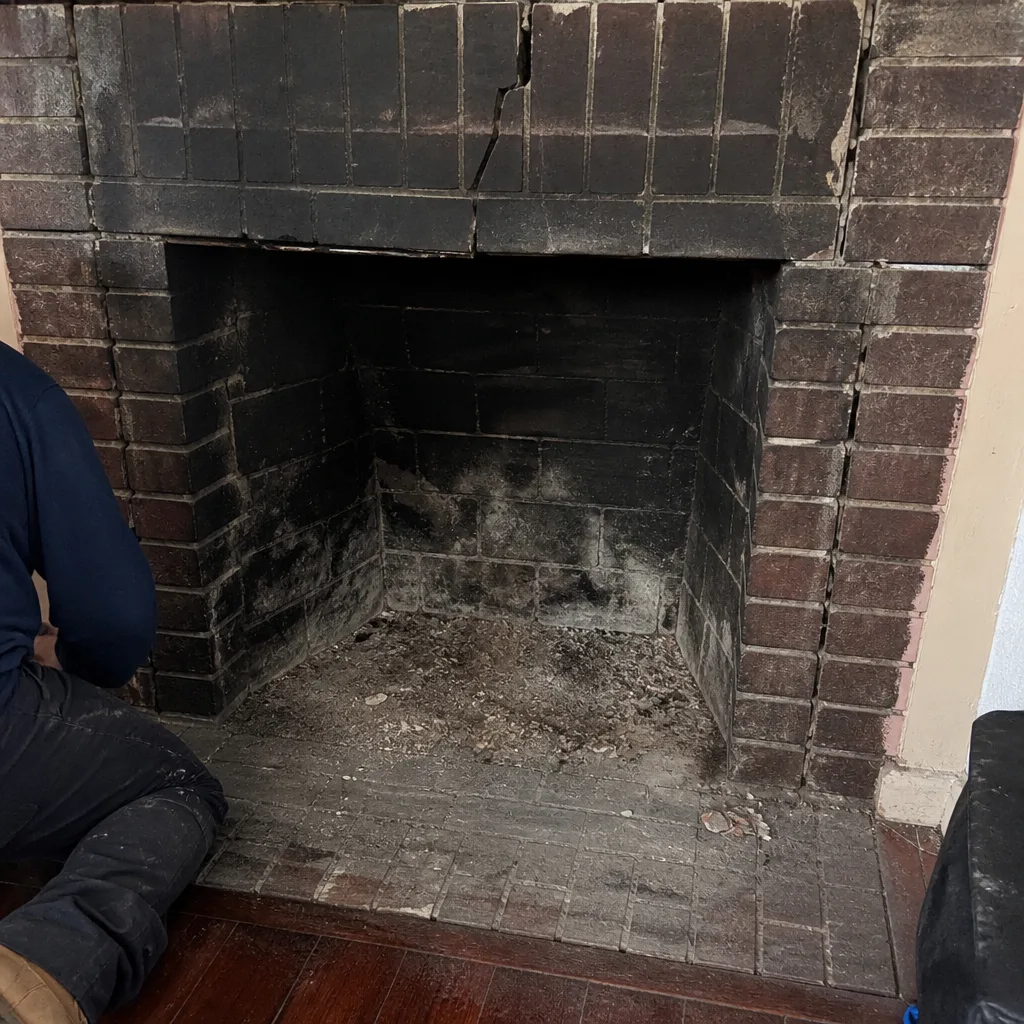 Before
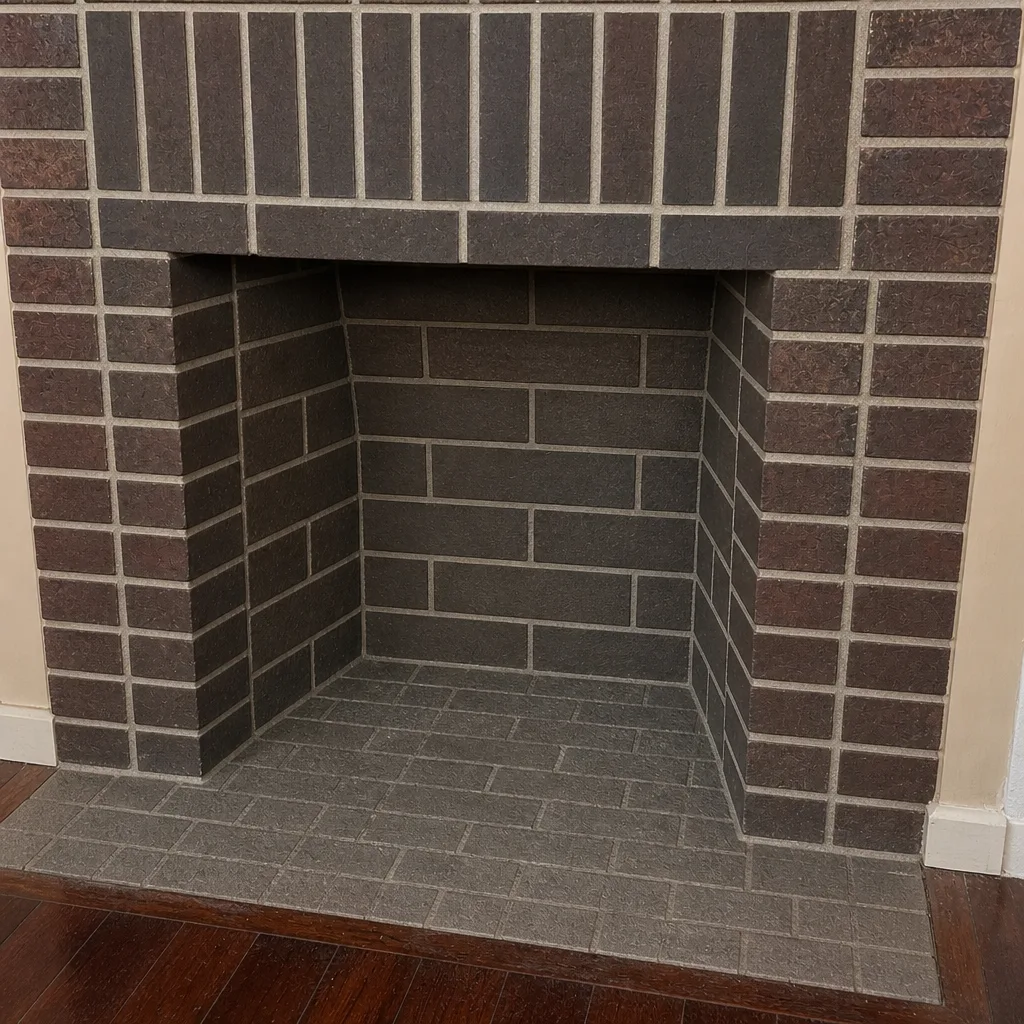 After
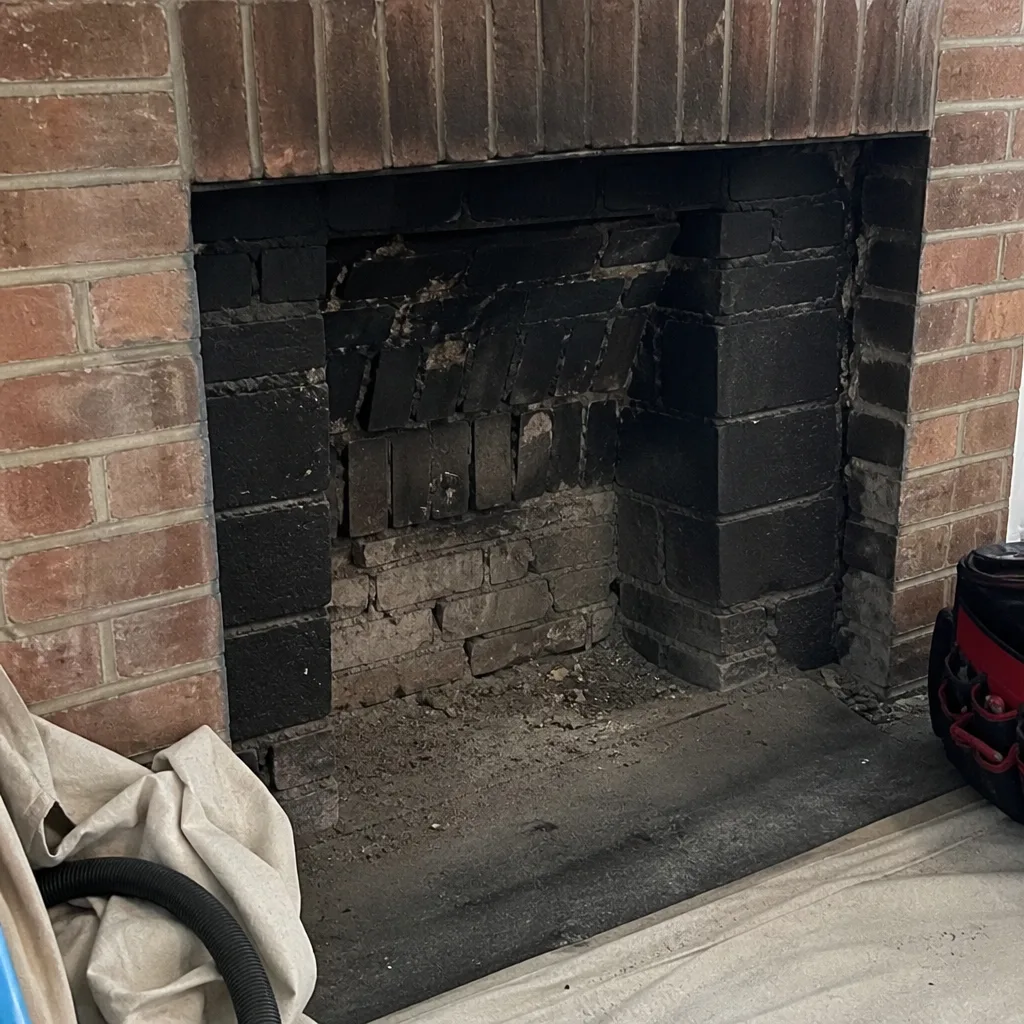 Before
 After
 Before
 After
Frequently Asked Questions
A chimney maintenance checklist should cover the cap, crown, counter-flashing, liner, smoke chamber, damper and firebox as seven separate items, each with a pass/fail note and the date. Never collapse them into “cleaned the flue” – that’s a task, not a component. Call (866) 937-8201 for an exact quote on the inspection – estimates are free.
A chimney that gets regular use should be swept once a year, and in Sunset Park’s freeze-thaw climate the annual visit is also your annual inspection – use it to log all seven components, not just the flue. If you burn heavily through the winter, ask during the visit whether a mid-season sweep is worth booking. Call (866) 937-8201 to get on the schedule.
Skipping the annual sweep and inspection lets two things happen quietly: soot and creosote build up in the flue, which is a fire risk, and small cracks in the crown or flashing let water in, which freeze-thaw cycles then widen into real masonry damage. Neither shows up as an obvious problem until it’s a repair. The checklist exists to catch both before they get there. Call (866) 937-8201 for an exact quote – estimates are free.
You can safely check the cap, crown and damper from the ground or the hearth, and note visible firebox condition with a flashlight. You can’t see the liner or smoke chamber from the inside – those need a camera, and the flashing needs someone on the roof. Call (866) 937-8201 for a camera inspection and photo report.
A liner replacement is only justified when the camera shows a real failure – cracks, spalling, separated tiles or open joints in a flue that needs to stay continuous. At Chimney Sweep Sunset Park, nothing is recommended without camera evidence you can see for yourself, and we tell you plainly when a repair can safely wait. Sometimes a HeatShield resurfacing is the better, less invasive fix; sometimes a DuraFlex liner replacement is the durable one. We name the material and the reason in the quote. Call (866) 937-8201 for an exact quote – estimates are free.
Pricing is per job, set by a written estimate, so the only accurate number is the one we give you after looking at your chimney. A free estimate is the fastest way to find out. We answer 24/7. Fast dispatch from 7am to 7pm, Sunday through Friday.
The Bottom Line
The checklist isn’t about doing more work – it’s about recording what you find, year after year, so progressive deterioration becomes visible before it becomes structural. Check the cap, crown, flashing, liner, smoke chamber, damper and firebox as seven separate items with dates. Do the three you can safely do yourself, and book the camera inspection for the other four. Keep the log and compare it each year. That record is what tells you whether a crack is stable or moving, and it’s the difference between treating a symptom and fixing the cause. Start the log this season. Our Chimney Sweep Sunset Park team can bring the camera report and the materials when you’re ready.
Call (866) 937-8201 for a free estimate. We answer 24/7. Fast dispatch from 7am to 7pm, Sunday through Friday.
Written by the team at Chimney Sweep Sunset Park.